
Plants
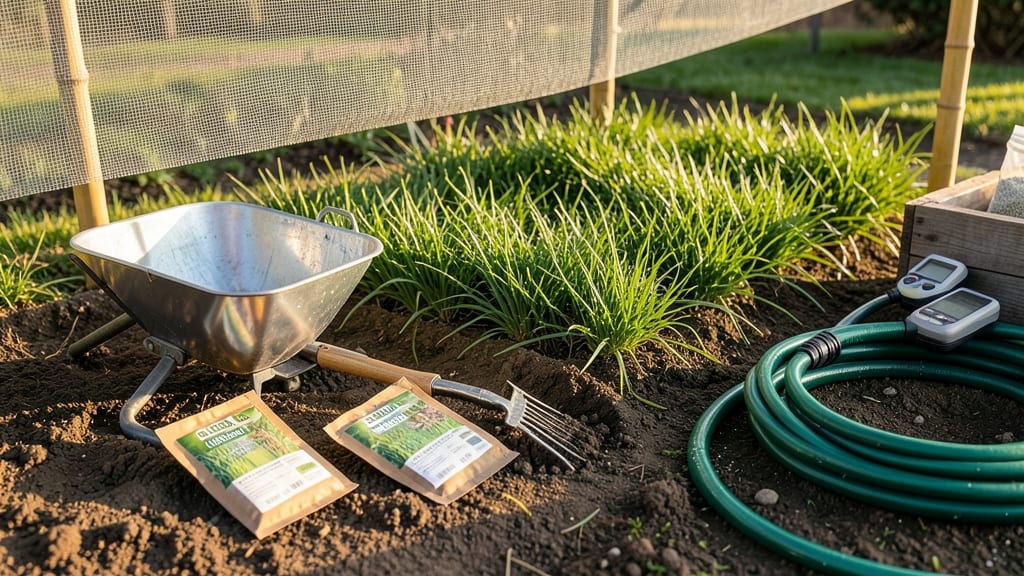
Timing your grass seed planting in Idaho can make or break your lawn—get it wrong, and you’ll battle patchy growth or wasted seed. Idaho’s dramatic shifts from freezing nights to scorching afternoons mean the perfect window isn’t one-size-fits-all, but mastering it unlocks that vibrant, weed-free lawn you crave.
Most Idaho gardeners swear by early fall or late spring, but your USDA zone (4b-7b) and microclimate play a huge role. Whether you’re in Boise’s high desert or a mountainous region near Sandpoint, the soil temperature and frost dates dictate when to pull the trigger.
Skip this step, and you might end up with grass that struggles to take root—or worse, never sprouts at all.
I’ve tested the best approaches across Idaho’s diverse zones, and the results speak for themselves: fast germination and thick coverage happen when you align planting with nature’s rhythm.
Let’s break down exactly when to plant, how to prep your soil, and which grass types thrive in your corner of the Gem State.
From testing soil pH to choosing drought-resistant varieties, I’ll walk you through every detail so your grass seed gets the best possible start—no guesswork, just results. Ready to transform your yard?
Idaho grass seed planting calendar by Zone 5-7: best months for fast germination
Idaho’s diverse climate—from high desert valleys to mountainous regions—means grass seed planting timing varies dramatically. In Zone 5 (northern Idaho), frost lingers until mid-May, while Zone 7 (southern Idaho) enjoys longer growing seasons.
Cool-season grasses like Kentucky bluegrass and fescue thrive when planted in early spring (March-April) or early fall (August-September), avoiding Idaho’s extreme summer heat or winter freeze.
Warm-season grasses like Bermuda or Zoysia (rare in Idaho but possible in Zone 7) prefer late spring planting (May-June). However, Idaho’s short growing season makes cool-season grasses the safer bet for most regions.
The key is planting when soil temps hit 50°F (10°C)—too cold, and seeds rot; too hot, and they dry out before germinating.
Here’s the breakdown by Idaho’s microclimates, including high desert (e.g., Boise) and mountainous (e.g., Coeur d’Alene) areas, with optimal windows for fast germination:
| Zone & Region | Best Planting Window | Soil Temp Threshold | Why This Works |
|---|---|---|---|
| Zone 5 (Northern Idaho: Coeur d’Alene, Sandpoint) | Early Spring: Late April–May Early Fall: August–Early Sept |
50–60°F (10–15°C) | Avoids late frost risks; fall planting lets roots establish before winter. |
| Zone 6 (Central Idaho: McCall, Ketchum) | Early Spring: March–April Early Fall: Late Aug–Sept |
50–65°F (10–18°C) | Warmer microclimates allow earlier spring starts; fall planting extends growth. |
| Zone 7 (Southern Idaho: Boise, Twin Falls) | Early Spring: March–April Late Summer: July–Aug |
55–70°F (13–21°C) | Hotter summers mean late summer planting avoids drought stress; spring starts early. |
| High Desert (Altitude 4,000–6,000 ft) | Early Fall: August–Sept (Priority) | 45–55°F (7–13°C) | Spring planting risks frost; fall seeds germinate slowly but survive winter. |
For Zone 5–6, I recommend fall planting as the best bet—seeds germinate slowly but establish strong roots before winter. In Zone 7, early spring or late summer works, but avoid planting in June or July when Idaho’s heat can scorch seeds before germination.
Pro tip: Use a soil thermometer to confirm temps are ideal before planting.
Idaho’s altitude differences also matter. At 4,000+ feet, like in Boise or Twin Falls, plant 2 weeks earlier than the calendar suggests—cooler temps delay germination. Meanwhile, mountainous areas (e.g., near Sun Valley) may need to wait until May for spring planting to avoid frost damage.
Another critical factor is rainfall timing. Southern Idaho’s high desert gets minimal spring rain, so plan to water daily for the first 2 weeks post-planting. Northern Idaho’s wetter springs mean you can rely more on natural moisture, but still monitor soil dampness—overwatering can suffocate seeds.
If you’re planting cool-season grasses (the majority in Idaho), aim for 4–6 weeks before the first frost in fall. For Zone 5, that’s typically late August; for Zone 7, it stretches to early October. This window ensures seeds germinate but don’t get shocked by early freezes.
For warm-season grasses (less common but possible in Zone 7), plant in late May–June when soil temps consistently stay above 65°F (18°C). These grasses need heat to germinate, but Idaho’s summers are short—so act fast once temps rise.
Finally, don’t overlook microclimates within your yard. South-facing slopes warm up faster in spring, while north-facing areas stay cooler. Test your soil in multiple spots—if one area is 5°F cooler, delay planting there by a week or two to match the optimal window.
How to prepare Idaho soil for grass seed planting: prep steps for Zone 5-7 regions
Idaho’s rocky, variable soils can make grass seed germination a challenge if you skip proper prep. The key to a thick, healthy lawn starts with testing and amending your soil before planting. Without this step, seeds may struggle to establish roots, leading to patchy growth or failure.
First, clear the area of debris, rocks, and weeds—Idaho’s terrain often hides sharp stones that can damage seedling roots. Use a raking tool or hand-pull weeds to avoid disturbing the soil too deeply. This also prevents competition for water and nutrients.
Test your soil’s pH using a home kit or send a sample to your local Idaho extension office. Grass thrives in pH 6.0–7.5, but Idaho’s alkaline soils often skew higher. If needed, add sulfur or peat moss to lower pH or lime to raise it.
⚠️ Over-tilling can disrupt soil structure and harm beneficial microbes. Idaho’s dry climates require gentle aeration—never till deeper than 3–4 inches.
Next, loosen the top 2–3 inches of soil with a garden fork or tiller to improve aeration and drainage. For clay-heavy soils common in southern Idaho, mix in compost or sand to break up compaction. Northern Idaho’s sandy soils benefit from organic matter like compost or leaf mold.
Spread a starter fertilizer (high in phosphorus) to encourage root growth. For Idaho’s Zone 5–7 regions, use 10-20-10 NPK at a rate of 0.5 lbs per 100 sq ft. Water lightly to activate the fertilizer before seeding.
Finally, create a smooth, level surface with a lawn roller or rake. This ensures even seed-to-soil contact, critical for uniform germination. In Idaho’s windy areas, lightly press seeds into the soil to prevent them from blowing away.
With these steps, your Idaho lawn will have the best possible start, setting the stage for fast, even growth. The right prep today means fewer headaches tomorrow—especially in Idaho’s unpredictable climate. 🌱