
Plants
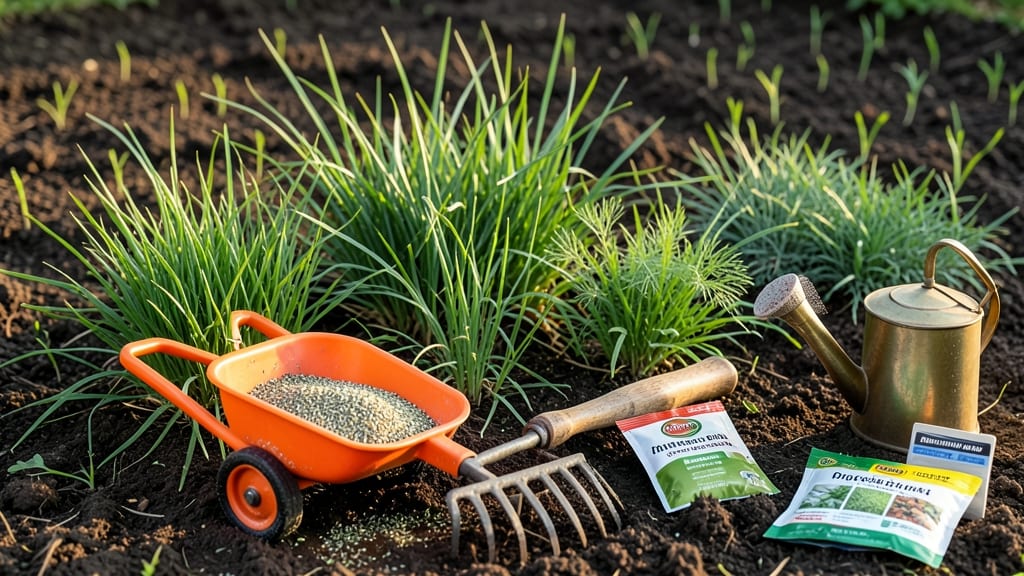
Timing your grass seed planting in Michigan this spring could mean the difference between a lush, green lawn and weeks of frustration. Michigan’s fickle weather—with late frosts and unpredictable soil warming—makes getting the timing right critical for strong root development.
The ideal window starts when soil temperatures consistently hit 50°F or warmer, typically 4-6 weeks after your area’s last frost date. For most of Michigan’s USDA zones 5-6, that lands between late April and early May, but don’t guess—soil temperature is the real game-changer.
Plant too early, and frost will kill your 🌱 grass seed before it germinates. Too late, and summer heat can stress young roots before they establish.
I’ll walk you through the exact soil temperature timeline, regional adjustments, and prep steps to ensure your lawn gets off to the best possible start.
Whether you’re seeding a new yard or overseeding an existing one, these insights will help you avoid common Michigan mistakes—like planting after late frosts or during drought. Let’s dive into the science and practical tips to make this your most successful spring lawn season yet.
Michigan’s ideal soil temperature range for planting grass seed in spring
Michigan’s cool-season grasses like Kentucky bluegrass and fescue thrive when planted at the right soil temperature. The ideal range for spring planting is between 50°F and 65°F, ensuring strong root development without frost damage.
Northern Michigan’s USDA Zone 4 areas should wait until late April, while southern Zone 6 regions can start as early as mid-April.
Soil temperature is more critical than air temperature—seeds need warmth to germinate, but not so much that they dry out. Cool-season grasses struggle when soil exceeds 70°F, leading to weak growth.
Use a soil thermometer (available for $10–$15) to check temperatures at 2-inch depth, the zone where grass roots establish.
Here’s how Michigan’s regional climate zones affect planting timing:
| Zone | Ideal Planting Window | Soil Temp Threshold | Notes |
|---|---|---|---|
| Northern MI (Zone 4) | Late April–Early May | 50°F+ (consistent) | Wait for last frost (avg. April 15) |
| Central MI (Zone 5) | Mid-April–Late May | 55°F+ (stable) | Flexible window; monitor rainfall |
| Southern MI (Zone 6) | Early April–Mid-May | 50°F+ (minimum) | Earlier planting possible with mulch |
For northern Michigan, aim to plant 4–6 weeks after the average last frost date (typically April 15). Use a frost calendar from the Michigan State University Extension to track local trends. Southern regions can start earlier but must monitor soil moisture—dry conditions delay germination.
Pro tip: If your soil is too cold (<45°F), cover seeds with straw mulch (1/4 inch thick) to insulate and retain warmth. Remove mulch once sprouts appear to prevent mold. This trick buys 1–2 weeks of flexibility in cooler zones.
Grass seeds like Kentucky bluegrass germinate in 7–14 days at ideal temps, while tall fescue takes 14–21 days. Plan your planting date 6–8 weeks before your first expected mowing to allow full establishment.
For example, if you want to mow by June 1, seed by mid-April in southern Michigan or late April in the north.
Test your soil’s readiness with this simple method: Press your finger into the soil. If it feels cool but workable (like a damp sponge), it’s ready.
If it’s rock-hard or icy, wait another week. Overwatering cold soil can suffocate seeds, so light watering (1/4 inch daily) is safer than deep soaks.
Remember: Soil temperature is your best guide, not the calendar. Even if it’s May 1, if your soil is still below 50°F, delay planting. Patience now means a thicker, greener lawn by summer.
🌱
Michigan’s ideal soil temperature range for planting grass seed in spring
Michigan’s cool-season grasses thrive when soil temperatures hover between 50°F–65°F. This range ensures seeds germinate quickly without risking frost damage. In USDA zones 4–6, timing varies by region—northern Michigan (zone 4) typically waits until late April, while southern Michigan (zone 6) can start as early as mid-April.
To check your soil temperature, use a soil thermometer inserted 2–3 inches deep. If temps dip below 50°F, wait 1–2 weeks or use a lightweight row cover to protect young seedlings. Overheating above 70°F can stress seeds, so avoid planting during heatwaves.
Here’s a week-by-week timeline for Michigan’s spring planting window, tailored to your region:
| Region | USDA Zone | Ideal Planting Window | Soil Temp Goal | Notes |
|---|---|---|---|---|
| Northern Michigan | 4 | Late April–Early May | 50°F–55°F | Wait for last frost (mid-April). Use cool-season blends like tall fescue. |
| Central Michigan | 5 | Mid-April–Late April | 55°F–60°F | Kentucky bluegrass germinates best at 55°F–65°F. |
| Southern Michigan | 6 | Early April–Mid-April | 60°F–65°F | Start earlier if soil warms quickly. Avoid planting after May 15. |
For northern Michigan, prioritize late April planting to avoid late frosts. In southern Michigan, early April works if soil temps stay above 50°F. Always adjust for unpredictable Michigan weather—monitor forecasts for 3+ days of stable temps before seeding.
Pro tip: If your soil is too cold, cover seeds with straw mulch (1–2 inches) to insulate and retain moisture. This buys you 1–2 weeks of flexibility in chilly springs.
Once seeds sprout, aim for 6–8 hours of sunlight daily to encourage rapid growth. Water lightly but frequently (daily for the first 2 weeks) to keep the soil consistently moist but not waterlogged.