
Plants
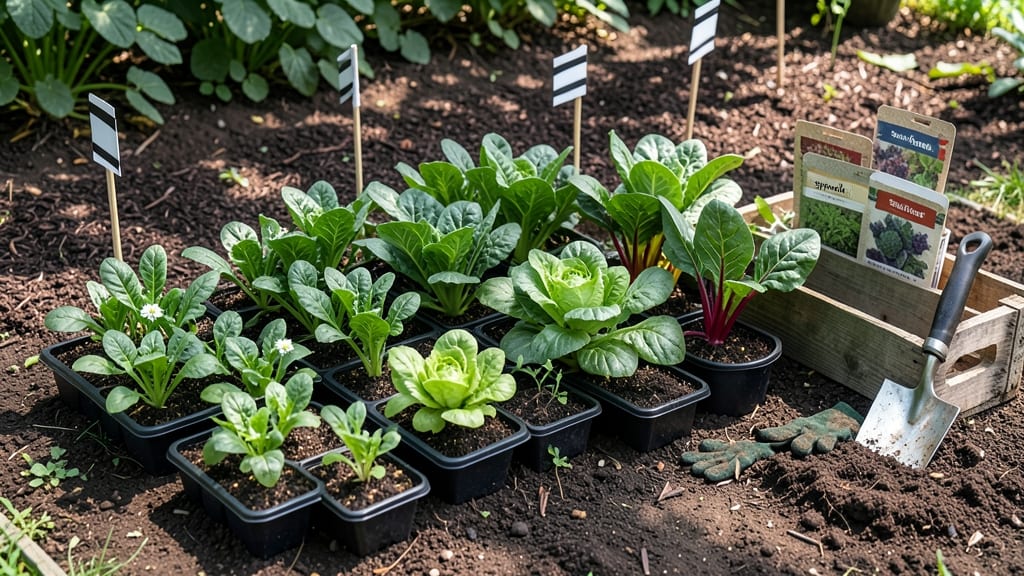
Georgia’s ideal cool-season planting window for leafy greens
Georgia’s climate presents unique challenges for growing leafy greens, but with the right timing, you can enjoy fresh harvests from February through November. The key lies in planting during the cool-season windows—early spring and late summer/fall—when temperatures stay mild and frost risks are minimal.
In USDA Zones 7b-8a, these windows shift slightly between North and South Georgia, so let’s break it down by region.
For most of Georgia, the primary planting window for cool-season greens like lettuce, spinach, and kale opens in late February to early March, about 4-6 weeks before the last frost date.
In North Georgia (higher elevations), this window may start as early as mid-February, while in South Georgia, you might wait until early March to avoid early spring heat waves. The goal is to give seedlings time to establish before temperatures rise above 80°F.
Here’s the critical timeline: Plant seeds or transplants in February–March for a spring harvest in April–May. If you miss this window, don’t worry—you can plant again in late August to early September for a fall harvest in October–November.
This second planting takes advantage of cooling temperatures before the first frost, which typically hits mid-November in North Georgia and early November in South Georgia.
Pro Tip: Use row covers or cold frames to extend your growing season. These tools can protect greens from light frosts (28–32°F) and even allow for winter harvests in mild years. In South Georgia’s warmer microclimates, you might even grow heat-tolerant varieties year-round with proper shade and water management.
Georgia Planting Timeline for Leafy Greens
| Season | Planting Window | Harvest Window | Key Notes |
|---|---|---|---|
| Early Spring | Late Feb–Early Mar | April–May | Plant 4–6 weeks before last frost; use row covers for frost protection. |
| Late Summer/Fall | Late Aug–Early Sep | October–November | Avoid planting too late—first frost hits by mid-November in North GA. |
| Winter (Mild Years) | October–November | January–February | Use cold frames or row covers; best for South GA’s warmer winters. |
🌱 Last Frost Dates: North GA: Mar 15 | South GA: Mar 1 | First Frost: Nov 15 (North) | Nov 1 (South)
If you’re in North Georgia (e.g., Atlanta, Dahlonega), aim for February 15–March 15 plantings. The cooler temperatures here allow for earlier starts, but be prepared to harden off seedlings gradually if nights dip below 40°F.
In South Georgia (e.g., Savannah, Macon), wait until March 1–March 15 to avoid the heat spikes that can bolt greens prematurely.
For container gardening in urban areas, timing is even more critical. Start seeds indoors in January and transplant outdoors in March to maximize growing space. Choose compact varieties like ‘Little Gem’ lettuce or ‘Baby Bok Choy’, which mature faster and fit well in 5-gallon containers.
Place pots in morning sun to prevent overheating during summer.
One common mistake I see is planting too late in spring. By April 15, daytime temperatures in Georgia often exceed 85°F, causing greens to bolt (go to seed) or wilt.
Instead, focus on fall plantings—they’re more reliable and produce sweeter, tender leaves. For a continuous harvest, stagger plantings every 2–3 weeks from August through September.
Don’t overlook soil preparation during these windows. Greens thrive in well-draining, slightly acidic soil (pH 6.0–7.0). Before planting, amend your beds with 2–3 inches of compost and a balanced fertilizer (5-10-10).
In clay-heavy soils common in North Georgia, mix in sand or peat moss to improve drainage. In South Georgia’s sandy soils, add organic matter to retain moisture.
Finally, keep an eye on moisture levels. Cool-season greens need consistent watering—about 1 inch per week—but avoid soggy soil, which leads to rot or fungal diseases.
Use drip irrigation or soaker hoses to deliver water directly to the roots, especially in fall plantings when afternoon humidity rises. Mulch with straw or shredded leaves to lock in moisture and suppress weeds.
With these timing strategies, you can enjoy homegrown greens year-round in Georgia—whether it’s crisp spring lettuce, hearty winter kale, or tender fall spinach. The secret? Plan ahead, protect from extremes, and stay consistent with care. Your garden will thank you with a bountiful harvest! 🌿
Georgia’s ideal cool-season planting window for leafy greens
Georgia’s climate offers two prime windows for growing leafy greens: early spring and late summer/fall. The key is planting when temperatures stay below 85°F, allowing greens to thrive without bolting.
In most of Georgia, this means February–March for spring and August–September for fall, with adjustments needed for North vs. South Georgia’s microclimates.
For North Georgia (USDA Zones 7a–7b), where frost dates are earlier, you can start sowing spinach and lettuce as early as February, while South Georgia (Zones 8a–8b) gardeners should wait until late February or March to avoid heat stress.
Always check your local average last frost date—typically mid-March in North Georgia and early April in South Georgia—to time your plantings perfectly.
🌱 Georgia Greens Planting Timeline
| Season | Planting Window | Best Varieties | Harvest Time |
|---|---|---|---|
| Spring | Feb–March (4–6 weeks before last frost) | Lettuce, Spinach, Kale, Swiss Chard | April–May |
| Fall | Aug–Sept (60–70 days before first frost) | Heat-tolerant lettuce, Collards, Mustard Greens | Oct–Nov |
| Winter (Urban/Containers) | Oct–Nov (protected areas only) | Kale, Arugula, Spinach | Dec–Feb (harvest before bolting) |
If you’re in South Georgia, where summers are longer and hotter, focus on fall plantings (August–September) to avoid the peak heat. Use shade cloth during summer months to protect seedlings from direct sun, which can cause bolting.
For North Georgia, a light row cover in early spring can extend the growing season by 2–3 weeks, allowing you to plant even earlier.
Pro tip: Direct-sow seeds instead of transplanting seedlings to avoid shock. Georgia’s soil can be heavy clay in some areas, so amend with compost or aged manure 2–3 weeks before planting to improve drainage and fertility.
Aim for a soil temperature of 60–70°F—use a soil thermometer to check if unsure.
For urban gardeners, container gardening is a great option. Choose shallow-rooted varieties like lettuce or arugula and place pots in partial shade during summer. Water containers daily in heat waves to prevent wilting, and use self-watering planters for convenience.
Remember, success in Georgia’s climate hinges on timing and variety selection. Start with heat-tolerant greens in summer, then shift to cool-season favorites in fall—this dual approach ensures a year-round harvest without gaps. With the right strategy, you’ll enjoy fresh greens even in the dead of summer! 🌿