
Plants
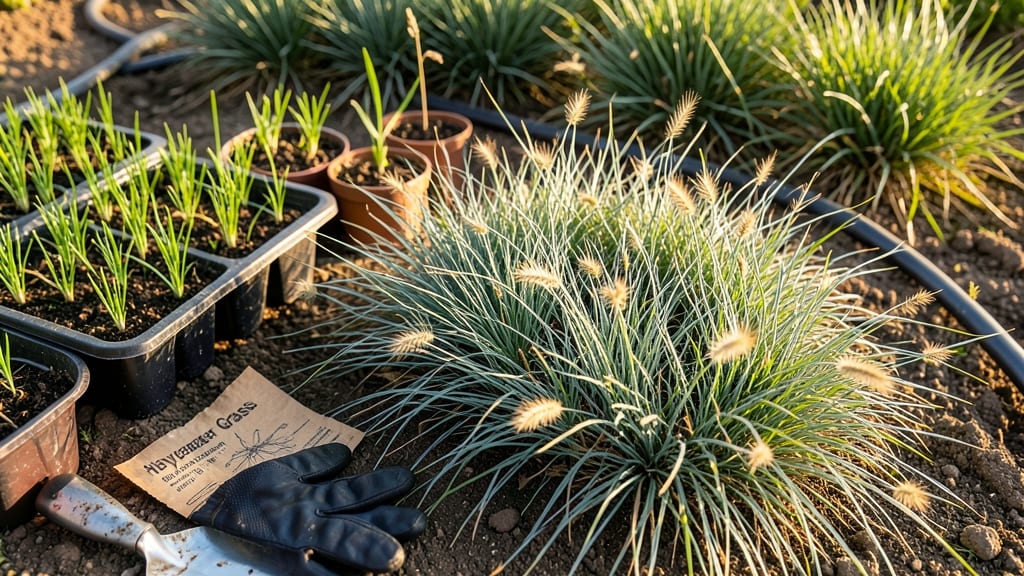
Timing your planting of Haygrazer clover in Oklahoma can make all the difference between a thriving pasture and a disappointing start. With USDA zones 6b-8a across the state, knowing when to plant this hardy 🌱 variety is key to success.
Spring planting in March or April gives your Haygrazer clover the best chance to establish before Oklahoma's summer heat arrives. But late summer planting in August or September can also work well, especially in drier western regions where spring moisture might be unreliable.
What makes Oklahoma unique is its diverse microclimates—humid southeast areas need slightly earlier planting, while western plains benefit from fall establishment. I'll break down the exact timing for each region so you can choose the best approach for your specific conditions.
Beyond timing, we'll cover soil prep, moisture management, and how to handle Oklahoma's unpredictable weather. Let's get your Haygrazer clover off to the strongest possible start this season.
Optimal planting months for Haygrazer clover in Oklahoma’s microclimates
Oklahoma’s diverse climate zones—from the humid southeast to the drier western plains—create distinct windows for planting Haygrazer clover. Timing your planting to align with soil temperatures, rainfall patterns, and frost risks ensures strong establishment and high yields.
Let’s break down the best months for each region, so you can plan with confidence.
In southeastern Oklahoma (USDA Zone 7b-8a), where summers are long and winters mild, the ideal planting window stretches from mid-February to early April for spring and late August to mid-September for fall. The warmer soils and higher humidity here allow for earlier spring planting compared to other regions.
For central Oklahoma (USDA Zone 7a), the sweet spot is late March to mid-April in spring and mid-August to early September in fall. This zone experiences more variable temperatures, so planting too early risks frost damage, while late summer planting avoids extreme heat stress on young seedlings.
In the western plains (USDA Zone 6b-7a), where drought and cooler nights are common, aim for early April to mid-May in spring and late August to early September in fall. These areas benefit from fall planting, as it allows the clover to establish roots before winter dormancy.
🌱 Haygrazer Clover Planting Windows by Oklahoma Region
| Region | USDA Zone | Spring Planting Window | Fall Planting Window | Soil Temp Requirement |
|---|---|---|---|---|
| Southeast OK | 7b-8a | Mid-February to Early April | Late August to Mid-September | 55°F+ |
| Central OK | 7a | Late March to Mid-April | Mid-August to Early September | 60°F+ |
| Western OK | 6b-7a | Early April to Mid-May | Late August to Early September | 65°F+ |
💡 Pro Tip: Always check soil temperature with a soil thermometer—Haygrazer needs consistent warmth (60°F+) to germinate.
The key to success is planting when soil temperatures consistently reach 60°F or higher. Use a soil thermometer to verify—cold soils delay germination and invite fungal diseases.
In spring, wait until at least 2 weeks before the last frost date (typically mid-March in most of Oklahoma) to avoid frost damage to tender seedlings.
For fall planting, prioritize late summer (August-September) to give the clover time to establish roots before winter dormancy. This approach minimizes spring competition and ensures a stronger stand the following year. In drier western regions, fall planting also helps conserve moisture during the critical establishment phase.
Rainfall plays a critical role in Oklahoma’s planting success. The southeast receives ample rain, making spring planting ideal, while the western plains may require supplemental irrigation to establish a strong stand. Always monitor weekly rainfall totals—aim for 1 inch per week during germination to prevent seed desiccation.
If you’re planting in early spring, consider a light mulch (like straw) to retain moisture and regulate soil temperature. For late summer plantings, use drip irrigation to keep seeds moist without overwatering. Both strategies help reduce stress on young plants during critical growth stages.
One common mistake is planting too early in spring, when soils are still cold and frost risks remain. Another is waiting too late, which can lead to overly mature plants before winter.
Balance is key—align your planting with local weather forecasts and historical frost data for your specific area.
For maximum yield, pair Haygrazer clover with a companion grass like ryegrass or fescue. This mixed planting strategy improves soil structure, reduces weed competition, and extends the grazing season. Just ensure both species have compatible planting windows.
With the right timing, Haygrazer clover can transform your Oklahoma pasture into a high-yielding, nutrient-rich forage within 60-90 days. Start by checking your local USDA zone, then adjust your planting schedule based on soil temperature and moisture availability. Happy planting! 🌱
Optimal planting months for Haygrazer clover in Oklahoma’s microclimates
Oklahoma’s three distinct regions—southeast, central, and western—each demand slightly different planting windows for Haygrazer clover to thrive. The southeast’s humidity allows earlier spring planting, while western Oklahoma’s dryness requires late summer timing to conserve moisture. Let’s break down the ideal months for each zone to maximize germination and survival.
For southeastern Oklahoma (USDA Zone 7b-8a), aim to plant Haygrazer clover between mid-February and early April. This region’s warmer soils and consistent rainfall create perfect conditions for early establishment.
The last frost date typically falls around March 15, so planting 4-6 weeks before ensures seedlings aren’t caught off guard.
In central Oklahoma (USDA Zone 7a), the best planting window shifts slightly later to late March through mid-April. Central Oklahoma’s variable weather makes timing critical—soil temperatures should reach 60°F or higher before seeding.
If you miss spring, late August to early September offers a secondary window for fall establishment.
| Region | USDA Zone | Best Planting Months | Soil Temp Requirement | Rainfall Needs |
|---|---|---|---|---|
| Southeast | 7b-8a | Mid-Feb to Early Apr | 55-60°F | 1.5"+ weekly |
| Central | 7a | Late Mar to Mid-Apr | 60°F+ | 1"+ weekly |
| Western | 6b-7a | Late Aug to Early Sep | 65°F+ | 0.75"+ weekly |
In western Oklahoma (USDA Zone 6b-7a), spring planting is riskier due to dry soils and late frosts. Instead, focus on late summer (August-September) when temperatures cool and moisture levels improve.
This timing also helps Haygrazer clover establish before first frost (November 15), giving it a head start for spring growth.
Regardless of region, avoid planting when soil temperatures exceed 85°F—this causes seed dormancy and poor germination. Use a soil thermometer to monitor conditions, especially in western Oklahoma’s hot summers.
If you’re unsure about your local frost dates, check the Old Farmer’s Almanac or your local Cooperative Extension Service for region-specific advice.
Pro tip: Overseeding in late fall (October-November) can also work in southeastern Oklahoma, but only if your area rarely drops below 20°F. This strategy extends the growing season and boosts forage production for early spring grazing.