
Plants
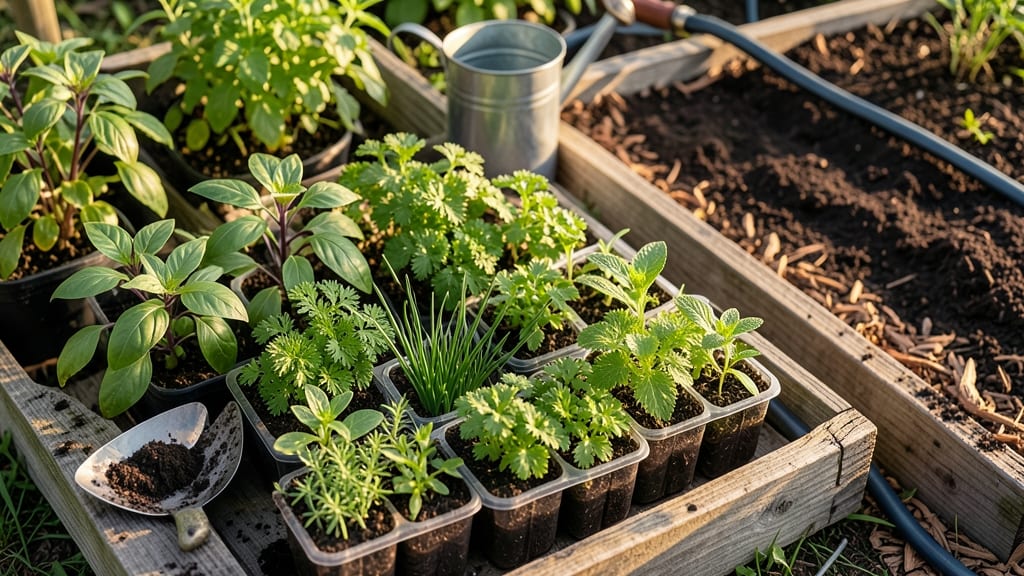
Timing when to plant herbs in Indiana just right can mean the difference between thriving 🌿 basil and wilted parsley—especially when unpredictable spring weather throws a curveball.
Whether you're a first-time gardener or a seasoned green thumb, knowing the ideal planting windows for Indiana's Zone 6a climate is the key to a bountiful harvest from May through October.
Most herbs prefer to be planted after the last frost date, typically around mid-April, when soil temperatures hit at least 50°F. But here's the catch: some hardy varieties like thyme and oregano can handle cooler soil, while heat-lovers like basil need warmer conditions to thrive.
I'll show you exactly when to start seeds indoors versus direct-sowing outdoors for each type.
Did you know Indiana's microclimates—whether you're in urban Indianapolis or rural farmland—can shift planting times by 2-3 weeks? Container gardening offers flexibility, but even potted herbs need the right timing. We'll cover all these strategies so you can maximize your growing season without guessing.
Ready to transform your kitchen garden? Let's dive into the perfect schedule for planting herbs in Indiana, from early spring starts to fall's second chance at growth.
You'll learn which herbs to plant when, how to protect them from late frosts, and even how to extend your harvest well into autumn.
Indiana herb planting calendar: month-by-month Zone 5-6 schedule
Indiana’s Zone 5-6 climate means your herb garden must balance early spring threats and late summer heat. The key is planting at the right time—whether you’re starting seeds indoors or sowing directly in the garden.
Most herbs thrive when planted after the average last frost date (around April 15), but hardy varieties like parsley and thyme can handle cooler temperatures.
For annual herbs (like basil and cilantro), wait until soil temperatures reach at least 50°F—usually late April or early May. Perennial herbs (such as rosemary and oregano) can often be planted in early spring or even fall, as they’re more resilient to temperature swings.
Let’s break down the best times to plant each month to maximize your harvest.
| Month | Planting Task | Herbs to Plant | Notes |
|---|---|---|---|
| February | Start seeds indoors | Basil, Cilantro, Dill, Parsley | Use grow lights for 12-14 hours/day |
| March | Hardy herbs direct sow outdoors | Chives, Mint, Thyme, Sage | Cover with row fabric if frost threatens |
| April | Transplant seedlings outdoors | Rosemary, Oregano, Lavender | Wait until soil is 50°F+ |
| May | Direct sow heat-lovers | Basil, Cilantro, Dill | Use shade cloth for young plants |
| August | Start fall crops indoors | Parsley, Chives, Cilantro | Transplant by September 1 |
| September | Plant perennials for spring | Thyme, Sage, Rosemary | Soil should be 60°F+ |
Indiana’s variable weather means flexibility is key. If you miss the spring window, don’t worry—late summer (August-September) is perfect for planting cool-season herbs like parsley and chives. These herbs actually thrive in cooler temps and can survive light frosts, giving you an early harvest next spring.
For container gardening, you can extend the season even further. Containers warm up faster in spring and cool down slower in fall, allowing you to plant basil in early May and cilantro in late August without worrying about soil temperatures.
Just ensure your containers have drainage holes to prevent root rot from Indiana’s occasional heavy rains.
If you’re in northern Indiana (Zone 5), aim for 2-3 weeks later than the schedule above, as frost dates are slightly later. Southern Indiana (Zone 6) can push planting dates 1-2 weeks earlier.
Always check your local USDA Plant Hardiness Zone for precise timing, as microclimates (like urban heat islands) can shift planting windows by 10-14 days.
Pro tip: Use biodegradable pots for seedlings to avoid transplant shock. Pop them directly into the soil when it’s time to move outdoors—this preserves the root structure and helps herbs establish faster in Indiana’s clay-heavy soils. Mix in compost before planting to improve drainage and fertility.
Finally, keep a planting journal to track what works best in your yard. Note any late frosts or heatwaves that disrupt your schedule. Over time, you’ll refine your timing to match your unique Indiana microclimate—whether you’re in Gary’s urban gardens or Bloomington’s rural fields.
With this schedule, you’ll enjoy fresh herbs from May through October, with minimal risk of frost damage or bolting. Happy planting! 🌱
Best herbs to grow in Indiana: frost tolerance and growth habits
Indiana’s Zone 5-6 climate offers a perfect mix of seasons for growing herbs, but not all varieties thrive equally. Cold-hardy herbs like thyme and parsley can handle early spring plantings, while heat-sensitive varieties such as basil need warmer soil temperatures.
Choosing the right herbs ensures your garden stays productive from spring through fall.
Start with perennial herbs like oregano and sage—they return year after year and adapt well to Indiana’s variable frost dates. For annual herbs, prioritize fast-growing varieties like cilantro and dill, which mature quickly before summer heat sets in.
Below, I’ve ranked the top herbs by their resilience and growth speed for Indiana gardens.
🌱 Did You Know? Some herbs, like chives and mint, are so hardy they can survive Indiana’s late spring frosts (as late as April 15) if planted early. Others, like basil, bolt in 70°F+ temperatures, so timing is critical.
Indiana Herb Growth Guide
- Thyme (Zone 4-9)
- Parsley (Zone 3-11)
- Chives (Zone 3-9)
- Mint (Zone 3-11)
- Basil (Zone 10-11, annual)
- Oregano (Zone 5-10)
- Rosemary (Zone 7-10, perennial)
- Cilantro (Zone 5-11, annual)
For direct sowing outdoors, focus on parsley and cilantro in early spring (March) or late summer (August).
These herbs germinate best in 50-65°F soil, making them ideal for Indiana’s cooler months. Basil and rosemary, however, prefer warmer soil (70°F+), so wait until May 1 or use containers for earlier starts.
Container gardening is a game-changer for heat-sensitive herbs like basil. Move pots to shaded spots during 90°F+ days to prevent bolting. Perennial herbs such as thyme and oregano thrive in containers too—they’re drought-tolerant once established, reducing your watering workload.
Don’t overlook microgreens and sprouts for quick harvests! They grow in as few as 10-14 days and can be planted indoors year-round. Pair them with your outdoor herbs for a continuous harvest schedule from spring to fall. 🌱