
Plants
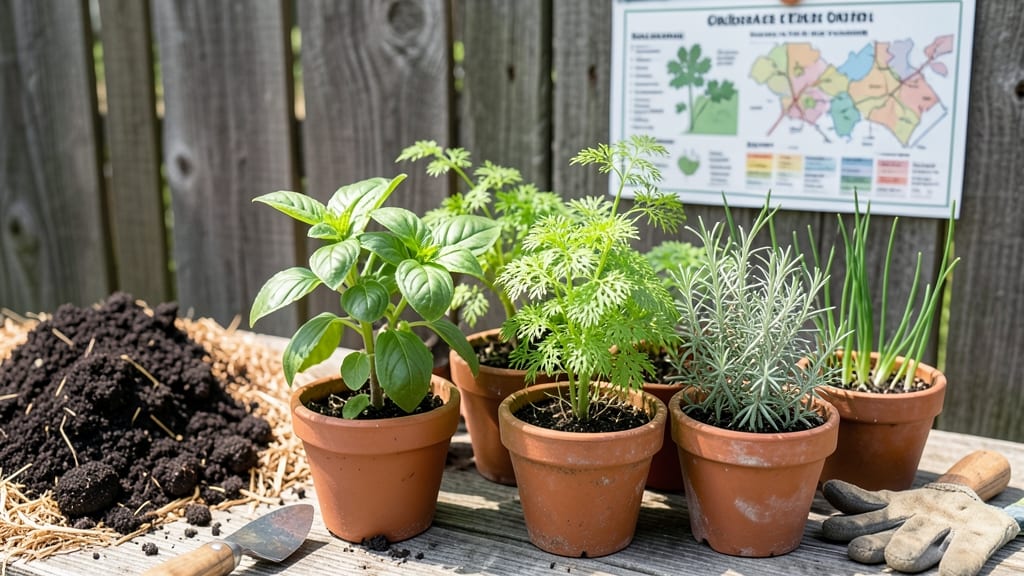
Knowing when to plant herbs in Oklahoma isn’t just about following a calendar—it’s about beating unpredictable frost dates and making the most of your 6b–8a zones. One wrong move, and your basil could bolt before you even taste it, while rosemary might struggle in the wrong soil.
The difference between a thriving 🌿 herb garden and a failed experiment often comes down to timing.
Spring and fall are your best bets, but Oklahoma’s microclimates—from the panhandle’s dry heat to eastern Oklahoma’s humidity—mean you can’t just copy a one-size-fits-all guide.
Whether you’re sowing seeds in March or transplanting in August, getting the dates right ensures your cilantro doesn’t turn bitter or your thyme survives the summer’s swelter. Let’s break down the exact windows for each zone so you can plant with confidence.
You’ll learn how to adjust for last frost dates, soil warmth, and even urban heat islands that can trick your plants into growing too fast. I’ll share my top tips for extending seasons with row covers and which herbs (like hardy rosemary) can handle Oklahoma’s extremes.
Ready to turn your backyard—or windowsill—into a year-round herb haven?
By the end, you’ll know exactly when to start seeds indoors, when to harden off transplants, and how to protect your greens from late frosts. No more guessing games—just a foolproof plan tailored to Oklahoma’s quirks. Let’s get those herbs growing!
Oklahoma herb planting calendar by hardiness Zone (6b vs 7a vs 8a)
Oklahoma’s three USDA hardiness zones (6b, 7a, and 8a) create wildly different planting windows for your herbs. In Zone 8a (southeast Oklahoma), you can start basil and cilantro as early as February 15, while Zone 6b (western panhandle) waits until April 1 to avoid frost.
These differences mean rosemary and thyme thrive year-round in warmer zones but need winter protection in cooler areas.
Timing isn’t just about frost dates—it’s about soil temperature. Most herb seeds need soil at 60°F+ to germinate. In Zone 7a (central Oklahoma), this typically happens by March 15, while Zone 6b may need to wait until April 15.
Perennial herbs like oregano and sage can handle cooler soils, but annuals like dill and parsley bolt if planted too early.
Here’s how to align your planting with Oklahoma’s zone-specific frost-free dates and herb-specific needs:
| Zone | Last Spring Frost | First Fall Frost | Best Spring Planting Window | Best Fall Planting Window |
|---|---|---|---|---|
| 6b (Panhandle) | April 1 | November 15 | April 15–May 15 | August 1–September 15 |
| 7a (Central OK) | March 15 | November 1 | March 20–April 30 | July 15–August 30 |
| 8a (Southeast OK) | February 15 | October 31 | February 1–March 15 | June 15–July 30 |
*Frost dates vary yearly; check local NOAA forecasts for updates.
For direct sowing (planting seeds directly in the ground), aim for 2–4 weeks after your zone’s last frost date. This gives soil time to warm and reduces the risk of seed rot. Basil and cilantro, for example, should never touch frost—they’ll turn to mush.
In contrast, hardy perennials like rosemary can handle light frosts and even thrive when planted in fall (September–October).
Transplants (young plants from nurseries) are more forgiving. You can plant them 1–2 weeks before your zone’s last frost date, as they’ve already developed roots.
Just cover them with row covers if a late frost sneaks in. Thyme and oregano are great candidates for early transplants—they bounce back from cold snaps better than most.
Fall planting in Oklahoma is all about beating the first frost. In Zone 6b, herbs like parsley and chives can be sown as late as August 15, while Zone 8a gardeners have until October 1.
The key is to choose fast-maturing varieties (e.g., bush basil over traditional basil) and use black plastic mulch to extend the season by 2–3 weeks.
Pro tip: Use a soil thermometer to confirm temperatures before planting. Most herb seeds need soil at 60–70°F to germinate.
In Oklahoma’s Zone 7a, this usually happens by mid-March, but Zone 6b may need to wait until late April. Rosemary and lavender are exceptions—they prefer cooler soils (50–60°F) and can be planted earlier.
Don’t overlook container gardening for herbs. Pots warm up faster than soil and let you move plants indoors before winter. Basil, mint, and parsley grow beautifully in containers, giving you flexibility to adjust planting dates based on weather forecasts rather than rigid zone rules.
Remember: Oklahoma’s unpredictable weather means flexibility is key. Always have row covers or frost cloth on hand for late springs or early falls. And when in doubt, start seeds indoors 4–6 weeks before your zone’s last frost date for a head start on the growing season.
Best herbs to plant in Oklahoma’s spring vs fall (and why timing matters)
Oklahoma’s spring and fall seasons offer the best windows for growing herbs, but the wrong timing can ruin your harvest. Spring planting (March–April) works for heat-loving herbs like basil and oregano, while fall (August–September) suits cooler-tolerant varieties like cilantro and parsley.
The key? Matching your herb’s temperature preferences with Oklahoma’s shifting climate.
For example, basil thrives in warm soil (60°F+) and wilts if planted too early. Meanwhile, rosemary and thyme—both perennial herbs—can handle cooler fall temps but need protection from late frosts. Understanding these seasonal quirks saves you from wasted effort and bolted herbs.
Planting frost-sensitive herbs (like basil or dill) before last frost dates risks killing young plants. Use row covers if you can’t wait for warmer soil.
Fall-planted herbs (e.g., cilantro) may bolt prematurely if days get too short. Extend the season with cold frames or move pots indoors before frost.
Let’s break it down by season. In spring, focus on warm-season herbs like basil, chives, and rosemary. Start seeds indoors 4–6 weeks before your last frost date (Zone 6b: April 1; Zone 7a: March 15; Zone 8a: February 15).
Transplants can go in the ground 2–3 weeks after frost, once soil temps hit 55°F+.
For fall planting, prioritize cool-season herbs such as parsley, cilantro, and dill. Sow seeds 8–10 weeks before your first frost (Zone 6b: November 15; Zone 7a: November 1; Zone 8a: October 31). These herbs handle cooler temps and even light frosts, making them ideal for Oklahoma’s shorter growing season.
Pro tip: Use mulch to regulate soil temps. In spring, it slows warming; in fall, it insulates roots from early frosts. Pair this with drip irrigation to keep roots consistently moist without overwatering—critical in Oklahoma’s unpredictable rains.
Timing isn’t just about when you plant; it’s about harvesting before bolting. For example, cilantro bolts (goes to seed) when days lengthen in late spring. To delay this, succession-plant every 2 weeks for continuous harvests. Similarly, basil flowers quickly in heat—pin off buds to keep leaves tender.