
Plants
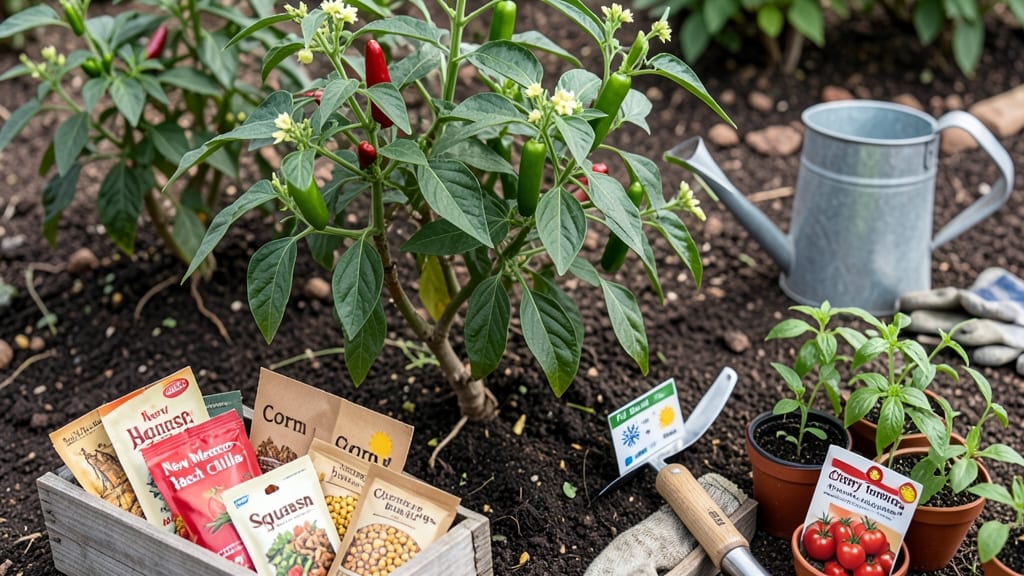
New Mexico planting zones by elevation: exact start dates for heat-tolerant vegetables
New Mexico’s three distinct elevation zones create wildly different planting windows—what works in Albuquerque (5,000 ft) fails in Las Cruces (3,800 ft) or Taos (7,000 ft). The key? Timing transplants to avoid late spring frosts (common below 5,000 ft) and intense summer heat (hitting hard above 6,000 ft).
Here’s your zone-by-zone planting calendar for tomatoes, peppers, okra, and melons, the stars of NM gardens.
For low elevations (2,000–4,000 ft), like the Rio Grande Valley, start pepper and okra seeds indoors by March 15 and transplant after April 15 when soil hits 70°F. Tomatoes and melons go in late April to early May—no earlier, or frost will kill seedlings.
Above 5,000 ft, delay by 2–4 weeks to escape late frosts.
🌱
Above 6,000 feet, like in Santa Fe or Taos, focus on cool-season crops first—plant potatoes and peas by May 15—then shift to heat lovers like zucchini after June 1.
The Rio Grande Valley (below 4,000 ft) can grow okra and sweet potatoes year-round with minimal winter protection, but tomatoes thrive only from May to September.
For container gardening in urban areas (e.g., Albuquerque), start pepper and tomato seeds indoors by March 1 and move pots outside after May 10 when nights stay above 50°F. Use self-watering pots to prevent drought stress—critical in adobe soil that drains too fast.
🌡️ Soil temperature is your best guide: Use a soil thermometer to confirm 60°F+ for tomatoes and 70°F+ for peppers. In sandy soils (common in Roswell), water twice daily until plants establish roots; in clay-heavy areas (like Las Cruces), mulch heavily to retain moisture.
🌿 Native plants like prickly pear and chile peppers evolved to handle NM’s extremes—plant them anytime after frost risk (even July for late starts). For non-natives, stick to the zone-specific dates above to avoid bolting (premature flowering) or sunscald.
🔥 Heatwave hack: If temps hit 100°F+ before harvest, use shade cloth (30–50%) midday for tomatoes and lettuce. Okra and peppers actually produce better with afternoon shade—just remove it by late afternoon for pollination.
📅 Mark your calendar: August 15 is the last safe transplant date for fall crops (like kale and radishes) in low elevations. Above 6,000 ft, extend this to September 1 to squeeze in a second harvest before first frosts in October.
Top 5 heat-tolerant crops for new Mexico gardens and their planting secrets
New Mexico’s intense sun and dry heat make traditional garden crops struggle—but these five powerhouse plants thrive here. I’ve grown them in my Albuquerque garden for years, and they’ve never disappointed. Let’s dive into their secrets for success.
First up: New Mexico chile peppers. These aren’t just food—they’re cultural icons! Plant them after last frost (typically mid-April to May in low desert areas) when soil temps hit 70°F+. My Hatch chiles love full sun and well-draining soil—I always mix in compost to retain moisture.
Next, amaranth, a native superfood that handles 100°F+ temps like a champ. Start seeds directly in soil after May 15 in most zones. It grows fast—60-75 days—so don’t wait! I harvest leaves young for salads and let others mature for grain.
Prickly pear cactus (yes, it’s edible!) needs zero fuss. Plant pads in spring or fall when temps are mild. Mine spreads like wildfire in sandy soils—I even grow it in containers on my patio. Just watch for aphids on new growth.
For okra, wait until after June 1 when nights stay warm. This heat-loving annual produces pods in 50 days if given consistent water. I mulch heavily to keep roots cool—okra hates soggy feet but thrives with 1-2 inches of water weekly.
Finally, black-eyed peas (not the same as cowpeas!) tolerate drought and poor soil. Sow seeds March-April in cooler zones or June-July in hot valleys. My plants fix nitrogen naturally, improving soil for next year’s crops.
🌱 Planting Secrets for NM’s Top Crops
- 🌶️ NM Chile Peppers: Start mid-April in low desert; transplant after soil hits 70°F+. Use cactus soil mix for drainage.
- 🌿 Amaranth: Direct-sow after May 15; harvest young leaves or wait 75 days for grain.
- 🌵 Prickly Pear: Plant pads in spring/fall; no watering once established—drought-proof!
- 🍆 Okra: Wait until June 1+; mulch to retain moisture and prevent bolting.
- 🌱 Black-Eyed Peas: Sow March-April in high zones or June-July in valleys; fixes nitrogen naturally.
💡 Pro Tip: All these crops benefit from morning watering to prevent fungal issues in NM’s humid monsoons.
For soil prep, New Mexico’s sandy loam drains too fast, while clay soils bake hard. I test my soil and amend with organic matter—compost or aged manure—to improve water retention. Mulching with straw or gravel (for cacti) keeps roots cool and conserves moisture.
One final secret: succession planting works wonders here. Okra and amaranth grow so fast that I make two plantings—one in June and another in August—to stretch harvests through fall. Even in high desert areas like Santa Fe, these crops reward patience with bountiful yields.