
Plants
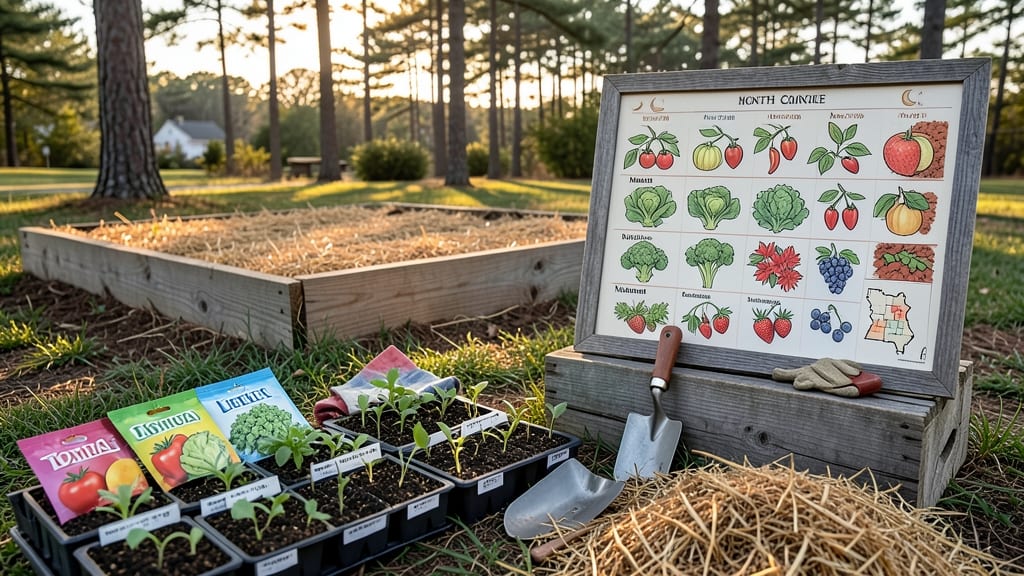
Timing your General North Carolina Planting Guide 🌱 can mean the difference between a thriving garden and wasted effort. North Carolina's varied climate—from the cool Appalachian Mountains to the warm coastal plains—means planting windows shift dramatically across just a few hundred miles.
If you've ever planted too early and lost seedlings to frost or waited too long and missed the growing season, you know how frustrating it can be.
The key isn't just knowing when to plant in North Carolina—it's understanding your specific zone, soil temperature, and even microclimates in your backyard.
In this guide, I'll break down the exact months for planting everything from cool-season greens to heat-loving tomatoes, plus how to adjust for North Carolina's unpredictable weather. Whether you're a beginner or a seasoned gardener, these zone-specific tips will help you maximize your harvest.
We'll cover frost dates, ideal transplanting windows, and even how to extend your growing season with simple tools. Ready to turn your garden dreams into reality? Let's get started with the perfect planting schedule for your corner of North Carolina.
North Carolina planting zones: when to start seeds indoors vs. outdoors
North Carolina spans USDA Hardiness Zones 6b to 8a, creating a patchwork of microclimates where planting schedules vary dramatically.
In the mountains (Zone 6b), like Asheville, last frosts can linger until April 15, while coastal areas (Zone 8a), such as Wilmington, often see frost-free conditions by March 1. Understanding these zones helps you time seed starting and outdoor planting perfectly.
For cool-season crops like lettuce, spinach, and peas, I start seeds indoors 8-10 weeks before your last frost date. In Zone 7 (central NC), that means mid-February for most gardeners.
Warm-season crops like tomatoes and peppers need a head start too—6-8 weeks indoors (early March for Zone 7) ensures they’re ready for transplanting after the last frost.
Outdoor planting windows also shift by zone. In Zone 6b (mountains), you can transplant seedlings outdoors as early as late April, while Zone 8a (coast) gardeners may start as soon as mid-February. Always check your local frost-free date—it’s your garden’s golden rule.
Direct sowing outdoors is another game-changer. Hardy vegetables like radishes, carrots, and kale can go straight into the soil 4-6 weeks before last frost. For example, in Zone 7a (Raleigh), that’s mid-February. Fast growers like radishes mature in 30 days, so they’re perfect for early planting.
Herbs like parsley and cilantro thrive in cool weather, so I sow them outdoors 2-3 weeks before last frost. In warmer zones (7b-8a), you can even plant winter lettuce in fall (October-November) for a harvest before summer heat sets in. Timing is everything!
For warm-season crops, wait until soil temperatures hit 60°F+. In most of NC, that’s mid-April to early May. Use a soil thermometer to check—it’s the most accurate way to avoid stunted growth. Peppers, for instance, won’t germinate well in cold soil.
Pro tip: Extend your season with row covers or cold frames. In Zone 6b, I’ve successfully grown spinach until May and kale through light frosts using simple frost cloth. It’s a game-changer for cooler regions.
Always double-check your local frost dates—they can shift yearly. The NC State Extension website is my go-to resource for real-time updates. With the right timing, your NC garden can be productive year-round!
Best months to plant specific crops in North Carolina’s climate
North Carolina’s diverse microclimates mean your tomatoes and kale thrive at different times depending on whether you’re in the mountains or coastal plains. Cool-season crops like broccoli and carrots love spring and fall, while peppers and squash need warm soil in late spring.
Let’s break down the best planting windows for your favorite crops.
For cool-season vegetables, start seeds indoors in February (for early spring harvests) or sow directly in March-April. Warm-season crops like tomatoes and beans should wait until after the last frost, usually mid-April to May, depending on your region. Succession planting—sowing small batches every 2-3 weeks—keeps your harvests steady all season.
Here’s a quick guide to planting specific crops in North Carolina’s climate:
Plant seeds indoors in February or directly outdoors in March-April. For fall harvests, sow August-September.
Start seeds indoors in March-April and transplant after last frost (mid-April to May). Use black plastic mulch to warm soil faster.
Sow basil and cilantro in March-April (they bolt in heat). Parsley is a cool-season herb—plant in early spring or fall.
Plant marigolds and zinnias in May-June for summer blooms. Pansies thrive in fall (September-October) and spring.
Plant bare-root perennials in early spring (March-April) or fall (September-October) for established roots before dormancy.
Adjust for your specific NC region: Coastal areas (like Wilmington) can plant 2-3 weeks earlier than the mountains (Asheville). Use local frost dates as your guide—always check NC State Extension for updates.
Pro tip: Succession plant fast-growing crops like lettuce or radishes every 2 weeks to avoid gluts. And if you love summer squash, try planting two varieties with different maturity times for a continuous harvest.
🌱