
Plants
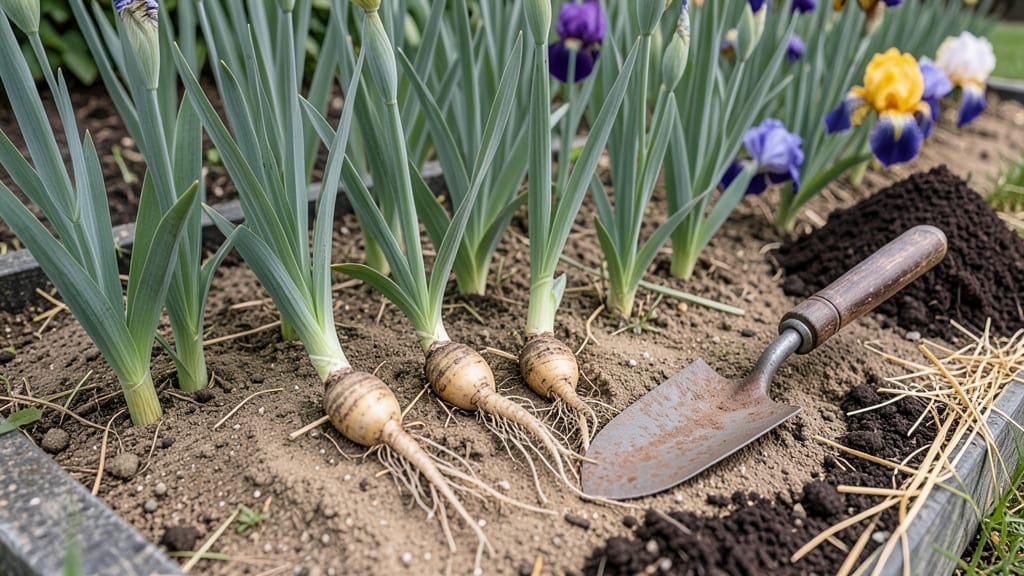
Planting iris bulbs at the wrong time in Zone 4 can mean frost-damaged rhizomes and missed blooms next spring—but getting the timing right unlocks vibrant 🌸 irises that thrive year after year.
Unlike warmer climates, Zone 4’s short growing season demands precision: bulbs need 6-8 weeks to root before winter sets in, which means late summer to early fall is your golden window.
I’ve learned the hard way that rushing iris planting too early—when soil is still warm—can lead to soft, rotting rhizomes, while waiting too long risks shallow roots that freeze. The key is planting when temperatures dip to 50-60°F, giving your 🌸 irises time to establish before the ground hardens.
This isn’t just about avoiding frost; it’s about setting them up for stronger blooms in spring.
In this guide, I’ll walk you through the exact Zone 4 planting timeline, including how to adjust for your local frost dates and soil conditions.
You’ll discover why fall planting gives irises a head start, how to prep your soil for success, and the 3 signs your rhizomes are ready to go in the ground. Let’s make sure your irises come back bigger and brighter than ever.
Whether you’re a first-time gardener or a seasoned Zone 4 pro, these tips will help you avoid common mistakes and ensure your 🌸 irises bloom like clockwork. Ready to dig in? Let’s get started.
Zone 4 iris planting timeline: exact weeks before first frost
Planting iris bulbs—or more accurately, their rhizomes—in Zone 4 requires precision timing to avoid frost damage while ensuring strong root establishment.
The 6-8 week rule is your golden guideline: plant iris rhizomes 6-8 weeks before your first expected frost date, typically between late August and mid-September in most Zone 4 regions.
This window allows rhizomes to develop adequate roots before winter dormancy, ensuring they survive freezing temperatures. For example, if your first frost arrives on September 15, aim to plant by early August.
Check your local USDA frost date map for exact timing—Zone 4’s 150 frost-free days make this critical.
Iris rhizomes thrive when soil temperatures hover between 50°F and 65°F. Planting too early in cold, wet soil can cause rot, while waiting too late risks insufficient root growth before frost. Use a soil thermometer to confirm ideal conditions—this simple tool prevents costly mistakes.
Here’s a quick reference for Zone 4’s ideal planting window based on frost dates:
| Frost Date | Planting Window | Soil Temp Goal | Root Establishment |
|---|---|---|---|
| September 15 | Late August | 55°F–65°F | 6–8 weeks before frost |
| September 25 | Early September | 50°F–60°F | 5–7 weeks before frost |
| October 5 | Late September | 45°F–55°F | 4–6 weeks before frost |
*Adjust for early snow or late frosts in your microclimate.
Spring planting is possible in Zone 4, but it’s riskier due to shorter growing seasons. If you must plant in spring, do so as early as April—once soil temperatures reach 50°F consistently. However, fall planting yields stronger, hardier rhizomes that bloom more reliably the following spring.
Pro tip: Mark your planting date on a calendar and track soil conditions weekly. If rain delays planting, wait for the ground to dry slightly—waterlogged soil is iris rhizomes’ worst enemy. Mulch lightly after planting to insulate roots and retain moisture without suffocating the rhizomes.
Zone 4’s unpredictable winters demand extra vigilance. If an early frost threatens after planting, cover rhizomes with straw mulch (3–4 inches) to protect them until the ground freezes. Remove mulch in early spring to prevent rot and encourage new growth.
Remember: Iris rhizomes need sunlight to thrive, so choose a spot with 6+ hours of full sun daily. Even in Zone 4’s shorter days, south-facing beds maximize light exposure. Pair your planting with a well-draining soil mix—amend heavy clay with compost or sand to prevent waterlogging.
With the right timing and care, your Zone 4 iris bed will reward you with vibrant blooms in late spring, proving that patience and precision pay off in the garden. Start your timer now—those rhizomes won’t plant themselves! 🌸
Signs your Zone 4 soil is ready for iris bulbs (and when to wait)
Iris rhizomes thrive when planted in soil that’s warm but not scorching—think of it as the Goldilocks zone for root growth. In Zone 4, this typically means waiting until soil temperatures hit 55–65°F at a depth of 4 inches.
Use a soil thermometer for accuracy, or rely on the "finger test": stick your finger 4 inches deep—if the soil feels warm but not hot, it’s ready.
Moisture is another critical factor. Iris rhizomes rot in soggy soil, so avoid planting after heavy rains when drainage stalls. Aim for soil that’s moist but well-draining, like a wrung-out sponge.
If your garden holds water for more than 24 hours after rain, amend with sand or perlite to improve aeration before planting.
Clay-heavy soils, common in Zone 4, can suffocate iris roots. Test your soil’s texture by squeezing a handful—if it forms a tight ball that doesn’t crumble, it’s too dense.
Mix in 2–3 inches of compost or coarse sand to loosen the soil and encourage root penetration. Raised beds are also a great option for heavy-clay gardens.
Timing isn’t just about temperature—it’s also about avoiding late-season weeds. Plant iris rhizomes when your garden is weed-free and ready for new growth, typically 4–6 weeks before your first frost date.
In most of Zone 4, this lands in late August to early September. Use a garden calendar to track local frost dates and adjust accordingly.
One final check: look for active soil life. Healthy soil teems with worms and microbes—signs it’s primed for planting. If you spot earthworms working the topsoil, your iris rhizomes will find a welcoming home.
Skip planting if the ground is still frozen or waterlogged, even if the air feels warm.
Once your soil passes these checks, your iris rhizomes will establish roots quickly, setting the stage for vibrant blooms next spring. Patience now means years of low-maintenance beauty—worth the wait! 🌸