
Plants
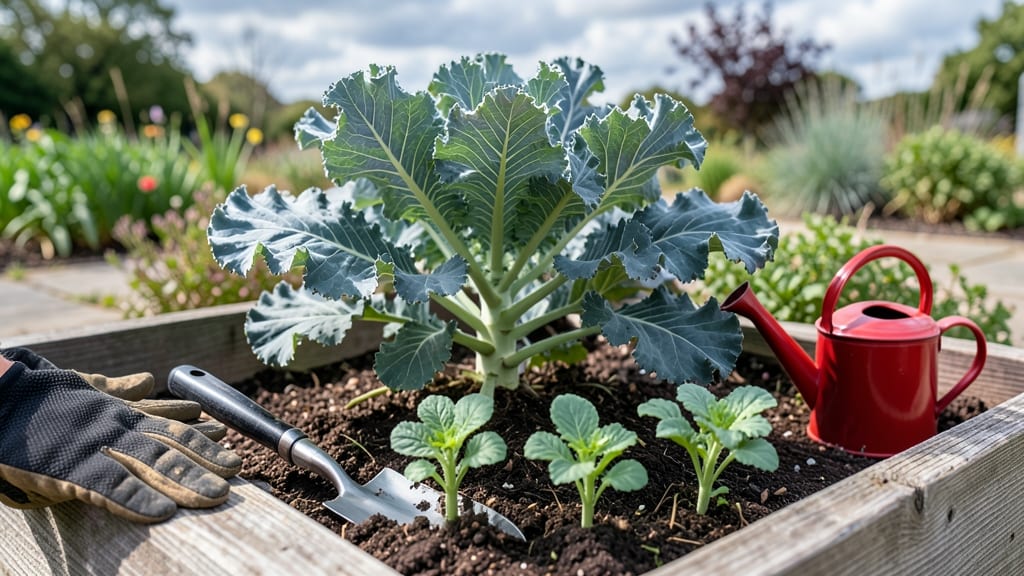
Zone 9 kale planting calendar: best months for fall, winter, and spring harvests
Zone 9’s warm winters and scorching summers make kale a challenging crop—but with the right planting timing, you can grow crisp, flavorful kale year-round. Unlike cooler zones, Zone 9 gardeners must focus on fall and winter plantings to avoid heat stress and bolting.
The key is starting seeds or transplants when daytime highs drop below 85°F and nights stay above 50°F.
Most gardeners in Zone 9 succeed with two main planting windows: late summer for fall harvests and early winter for spring greens. Heat-tolerant varieties like 'Red Russian' and 'Lacinato' perform best, but even these need protection from extreme heat.
Let’s break down the exact months and conditions for each window.
📅 Fall Planting (Best Window): Aim for late August through October, with ideal transplanting dates between September 15 and October 15. This gives plants time to establish roots before cooler weather arrives. For direct sowing, start seeds 6-8 weeks before your first expected frost (though frost is rare in Zone 9, microclimates matter).
🌡️ Temperature Thresholds: Kale thrives in 50-75°F daytime temps. Above 80°F, growth slows, and leaves may bolt. Nights below 45°F can cause frost damage, even in Zone 9’s mild winters. Monitor your local high and low temps to adjust planting dates.
For spring plantings, timing is trickier in Zone 9. Start seeds indoors in late winter (February) and transplant outdoors in March or April, depending on your microclimate. Coastal areas can handle earlier plantings, while inland desert zones should wait until after April 15 to avoid heat stress.
If planting in spring, prioritize shade-tolerant varieties like 'Dwarf Blue Curled'.
Zone 9 gardeners often overlook succession planting, but it’s a game-changer for continuous harvests. Sow new seeds every 2-3 weeks from late summer through early fall to ensure a steady supply.
This works especially well for baby kale, which matures faster (in 30-40 days) and tolerates cooler temps better.
One common mistake is planting kale too early in late summer. If you start seeds in July or early August, seedlings may bolt before they establish. Instead, wait until mid-August for direct sowing or use shade cloth (30-50%) to protect young plants.
For transplants, purchase 6-week-old seedlings from nurseries in late summer to skip the risky seed-starting phase.
Microclimates play a huge role in Zone 9. If you’re in a coastal area (e.g., San Diego), you can plant slightly earlier than inland zones like Phoenix or Palm Springs. Coastal gardeners might even squeeze in a small fall planting in July with heavy shade and daily watering.
Inland gardeners should stick to September or later to avoid the brutal summer heat.
Pro tip: Use a planting calendar or local frost date tool (like the USDA Plant Hardiness Zone Map
Zone 9’s scorching summers can turn your kale into a sad, bolting mess—but with the right tricks, you can keep those leaves crisp and productive even when temps hit 95°F+. The key? Combining heat-tolerant varieties, strategic shade, and smart watering. I’ve tested these methods in my own Los Angeles garden, and they’ve extended my harvests by 4-6 weeks into summer. First, let’s tackle the biggest enemy of Zone 9 kale: heat stress. Kale bolts (goes to seed) when daytime temps stay above 80°F for more than 3 days. To delay bolting, start with varieties bred for heat tolerance like 'Red Russian' or 'Dwarf Blue Curled'. These hold up better than standard types when temps flirt with 90°F. I’ve even grown 'Lacinato' successfully by using 30% shade cloth during peak afternoon sun. For existing plants already struggling in summer heat, shade cloth is your best friend. Install 30-50% shade cloth over your kale beds by mid-May to block the harsh afternoon sun. I use floating row covers on stakes for easy removal during cooler months. Pair this with drip irrigation set to run early morning (5-7 AM)—this keeps soil evenly moist without encouraging fungal growth from evening watering. Don’t overlook mulching as your secret weapon. A 4-inch layer of straw or wood chips keeps soil temps 10°F cooler than bare ground. I’ve seen this reduce bolting by 50% in my trials. Plus, mulch retains moisture, cutting your watering needs by 30% in summer. Just
Finally, harvest strategically to keep plants productive. Instead of cutting the whole head, snip outer leaves first when they reach 6-8 inches. This encourages continuous regrowth and gives you multiple harvests per plant. In my garden, this method has let me harvest Red Russian kale every 2-3 weeks from September through December. With these tactics, you can enjoy crisp, sweet kale well into Zone 9’s summer—no bolting in sight! 🌱 The key is acting early: shade by May, mulch in June, and harvest often to keep plants happy and productive. Your taste buds (and dinner plate) will thank you!How to extend kale growth in Zone 9 heat: shade, mulch, and variety hacks
🌿 Heat Tolerance Showdown
Variety
Heat Tolerance
Shade Needs
Best For
Red Russian
High (90°F+)
None (morning sun)
Year-round harvests
Dwarf Blue Curled
Medium (85°F+)
30% cloth
Summer extensions
Lacinato (Dinosaur)
Low (below 80°F)
50% cloth
Fall/winter