
Plants
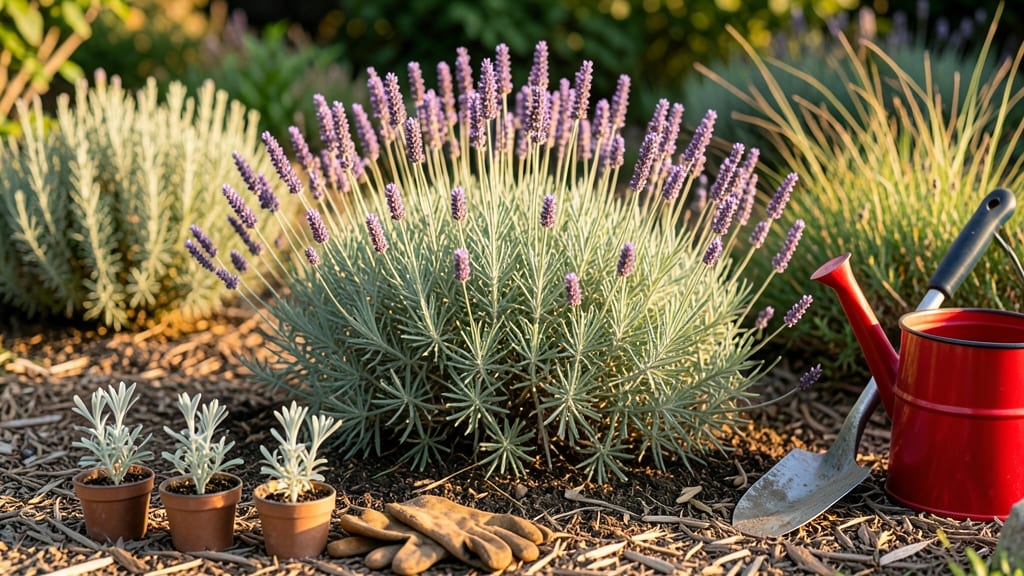
Planting lavender in Illinois at the wrong time can mean stunted growth—or worse, frost-killed seedlings. But timing it right guarantees fragrant blooms and thriving plants for years.
With Illinois spanning hardiness zones 5-6, the key is planting either in early spring or early fall, when soil temperatures are cool but frost isn't a threat.
Most gardeners in Illinois reach for their lavender 🌿 in March or April, but fall planting—typically September or October—can also work if you get it done before the first frost.
The trick lies in understanding your local frost dates, which vary from mid-April in northern Illinois to mid-October in the south. Let's break down the best windows for your zone.
Whether you're growing English lavender for its tall spikes or French varieties for their compact size, the right timing makes all the difference. You'll also discover how containers can extend your planting season and why soil prep is just as critical as the calendar.
Ready to transform your garden into a fragrant haven?
I'll walk you through everything you need to know—from frost-free deadlines to soil prep secrets—to ensure your lavender thrives year after year. Let's get started!
Best planting times for lavender in Illinois hardiness zones 4-6
Illinois spans USDA hardiness zones 4 through 6, and your lavender planting window shifts depending on your exact location. In zone 4 (northern IL), like Chicago’s outskirts, aim for late April to early May in spring or mid-September to early October in fall.
For zone 5 (central IL), including Springfield, plant between mid-April and late May or late September to mid-October. Southern Illinois (zone 6, like Cairo) can start as early as March 15 or push fall planting to early November.
Timing matters because lavender hates soggy roots—planting too early risks spring frost damage, while late fall plantings may not establish roots before winter. Use your last frost date as a guide: plant 4-6 weeks before or after the average frost.
In Illinois, this typically means March-April for spring and September-October for fall.
Here’s a quick reference for Illinois zones, including microclimate adjustments like urban heat islands (which can extend your spring window by 2-3 weeks) and rural areas (where frost lingers longer).
For container-grown lavender, you can plant 2-3 weeks earlier in spring or 3-4 weeks later in fall since pots warm up faster. However, bare-root lavender (often sold in winter) must wait until soil temperatures hit 50°F (10°C)—typically mid-April in most of Illinois.
If you’re in zone 4 or 5 and face unpredictable frosts, opt for fall planting. Lavender’s roots establish better in cool soil, and a 6-8 week head start means stronger plants by spring.
Just avoid planting after October 15 in northern areas, as roots won’t harden off in time.
Pro tip: Mulch heavily after fall planting with gravel or straw (not wood chips, which retain moisture). This mimics lavender’s Mediterranean native habitat and prevents root rot during Illinois’ wet springs. 🌱
In zone 6, you can push boundaries: some gardeners in southern Illinois plant as late as November 1 if using 1-gallon containers, but this is risky.
Always monitor soil temperature—lavender won’t thrive if planted in cold, waterlogged soil. Use a soil thermometer to confirm 50°F+ at 4” depth. ☀️
For urban gardeners, note that concrete and pavement can create microclimates 5-10°F warmer than rural areas. This means you can plant 2-3 weeks earlier in spring or delay fall planting by 1 week.
However, urban soils often compact, so amend with gritty sand or plant in raised beds for optimal drainage. 🪴
Finally, avoid planting lavender in summer—the intense Illinois heat (especially in July-August) stresses young plants. If you must, use shade cloth until roots establish, then gradually acclimate to full sun. ✂️
Lavender varieties and their ideal Illinois planting months
Not all lavender varieties thrive equally in Illinois' USDA Zones 5-6. Some handle northern cold snaps better, while others prefer warmer southern climates. Choosing the right type ensures your plants survive winters and bloom abundantly. Here’s how to match varieties to Illinois’ planting windows and microclimates.
For northern Illinois (Zone 4-5), opt for cold-hardy varieties like English lavender ('Munstead'), which tolerates 20°F temperatures. In southern Illinois (Zone 6), French lavender ('Grosso') or Spanish lavender ('Anouk') thrive with warmer winters and longer growing seasons.
Always plant 4-6 weeks before last frost or after first frost in fall.
| Variety | Best Planting Months (IL) | Cold Hardiness | Bloom Time |
|---|---|---|---|
| English ('Munstead') | March-April or September-October | Zone 5 (-20°F) | June-July |
| French ('Grosso') | April or October | Zone 6 (-10°F) | July-August |
| Spanish ('Anouk') | April-May or September | Zone 6 (-10°F) | June-July |
| Dwarf ('Hidcote') | March-April or September | Zone 5 (-15°F) | June-July |
If you live in urban Chicago (Zone 5), plant English lavender in March to avoid late spring frosts. For rural southern Illinois (Zone 6), French lavender planted in April or October performs best. Always check your local frost dates—they can vary 1-2 weeks from USDA averages.
Avoid planting Spanish lavender in northern Illinois—it struggles with Zone 4 winters. Instead, try 'Kew Red', a cold-tolerant hybrid. For containers, choose dwarf varieties like 'Hidcote'—they handle temperature swings better in pots.
Pro tip: Mulch heavily in northern zones to protect roots. Use gravel or pine straw—never wood chips, which can suffocate lavender. In southern Illinois, light mulch suffices to retain moisture during hot summers.
Remember, fall planting gives lavender time to establish roots before winter. Aim for 6-8 weeks before first frost—typically mid-September to early October in Illinois. This timing ensures your lavender survives winter and blooms earlier next spring.