
Plants
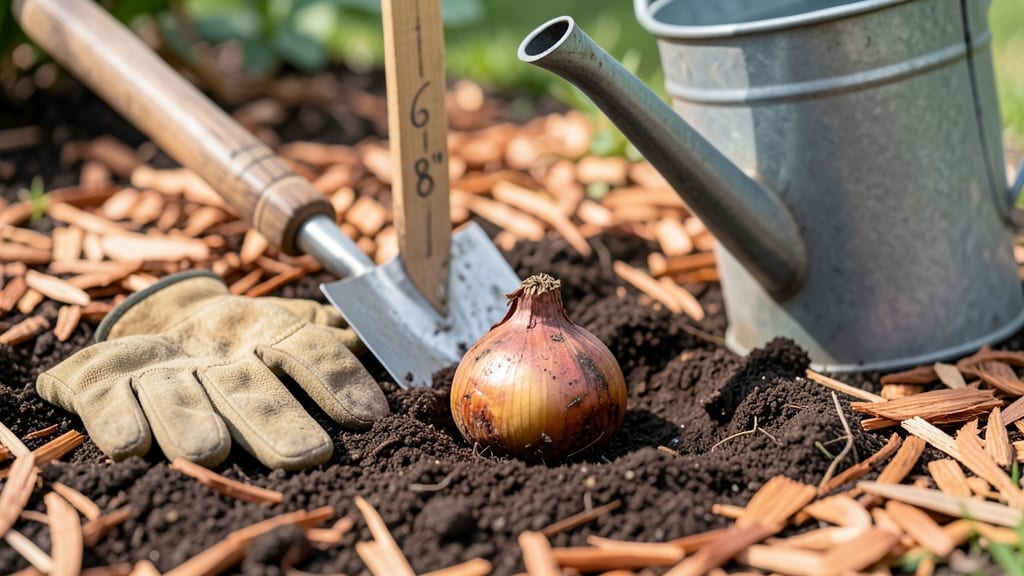
Timing your lily bulb planting in Oregon isn’t just about the calendar—it’s about unlocking vibrant blooms that turn your garden into a showstopper. With Oregon’s Zone 7b-9a climate, the window for planting is narrow but critical, and getting it wrong can mean waiting another year for those stunning 🌷 flowers.
Most gardeners know fall is the prime time, but here’s the catch: coastal Oregon’s milder winters and inland areas’ earlier frosts create two very different planting realities. Plant too late, and your bulbs won’t establish roots before winter’s chill.
Plant too early, and they might sprout prematurely, only to be nipped by frost. The sweet spot? A 4-6 week window before the ground freezes—typically October to November.
Why does this matter? Because lilies thrive when planted in cool soil, and Oregon’s fall rains help them root deeply before dormancy. But don’t stress if you miss the fall window—spring planting is still an option, though it requires extra care to mimic natural conditions.
I’ll walk you through the exact steps to give your lilies the best shot at success, whether you’re in Portland’s rainy climate or the drier high desert.
Ready to transform your garden? Let’s dive into the perfect planting strategy for your Oregon lilies, so you can enjoy bold blooms from summer through early fall—and avoid the 5 mistakes that kill most gardeners’ lilies before they even bloom.
Best planting months for lily bulbs in Oregon’s Zone 7-8
Timing is everything when planting lily bulbs in Oregon, where Zone 7-8 climates create unique challenges. The ideal window for fall planting—when bulbs need 4-6 weeks to establish roots before frost—typically runs from mid-October to early November.
This timing ensures your lilies thrive through winter and burst into bloom next summer.
For gardeners in cooler microclimates like the Willamette Valley, aim for planting by October 15th to avoid early frosts. Meanwhile, Eastern Oregon regions with drier conditions can extend planting into early December, as soils stay workable longer. Spring planting is riskier but possible in March-April for tender varieties.
🌷
| Region | Ideal Planting Window | Key Consideration |
|---|---|---|
| Willamette Valley (Zone 7b-8a) | Mid-October to November 1st | Early frosts; prioritize root establishment |
| Eastern Oregon (Zone 7b-8b) | October to early December | Drier soils; extended workable season |
| Coastal Oregon (Zone 7b-8a) | Late September to October 15th | Milder winters; avoid wet soil |
| Spring Planting (Riskier) | March-April (tender varieties only) | Requires consistent moisture; slower establishment |
If you miss the fall window, don’t panic—spring planting can still work for hardy lilies, but it requires consistent moisture and protection from late frosts. Plant bulbs 2-3 inches deep in well-draining soil and keep them well-watered until roots establish, typically by June.
For tropical lilies (like Stargazer or Casa Blanca), wait until after the last frost (usually mid-April in most of Oregon) to plant. These varieties need warm soil to thrive and won’t tolerate cold temperatures.
Pro tip: Use a soil thermometer to check when soil temps drop below 50°F—this signals it’s time to plant. In warmer inland areas, you might push planting into late November, but avoid planting when ground is frozen or waterlogged.
🌿
Adjust your planting schedule based on local frost dates. Check the Oregon State University Extension Service for your specific last frost date, which can vary by 1-2 weeks across the state.
For example, Portland typically sees its last frost around April 15th, while Bend may experience it 10 days earlier.
Once planted, mulch heavily with straw or leaves to insulate bulbs during winter. This extra layer helps protect roots from freeze-thaw cycles, a common issue in Oregon’s variable climate. Remove mulch in early spring to allow soil to warm and encourage new growth.
🌱
How to prepare lily bulbs for Oregon’s unique growing conditions
Oregon’s acidic, clay-heavy soils and mild but damp winters demand special prep work before planting lily bulbs. Without proper preparation, your bulbs may rot or fail to thrive in the Pacific Northwest’s Zone 7-8 climate.
The key is mimicking their natural habitat—well-draining, slightly acidic soil with organic matter, just like the forest floors where lilies originally grew.
Start by testing your soil’s pH level—lilies prefer a range of 6.0 to 7.0. If your soil is too acidic (common in Oregon), amend it with lime or wood ash to raise the pH gradually.
For clay soils, which are prevalent in the Willamette Valley, mix in composted manure or peat moss to improve drainage and aeration.
Warning: Oregon’s Wet Winters
Planting lily bulbs too early in Oregon’s rainy season (September-October) can lead to rot from waterlogged soil. Wait until the ground is cool but not frozen (typically mid-October to November) to allow roots to establish before winter rains hit.
Avoid using fresh manure—it can burn bulb roots. Instead, opt for composted cow or chicken manure to provide nutrients without harming the bulbs.
Lily bulbs also need a chilling period to bloom successfully. If you’re planting in spring (March-April), store bulbs in the fridge for 6-8 weeks to simulate winter conditions.
This trick works especially well for tender lily varieties, like Stargazer or Casa Blanca, which struggle with Oregon’s cool, wet springs.
Before planting, soak bulbs in a 10% hydrogen peroxide solution for 10 minutes to prevent fungal diseases common in Oregon’s damp climate. This step is crucial if your garden has a history of bulb rot or mold.
After soaking, let them dry completely in a shady, well-ventilated area for 24 hours before planting.
For Eastern Oregon’s drier climate (Zone 7), plant bulbs slightly deeper (6-8 inches) to protect them from wild temperature swings. In coastal areas, like the Oregon Coast, keep planting depth shallower (4-6 inches) to prevent waterlogging during winter rains.
Finally, mulch heavily with straw or shredded leaves after planting to insulate bulbs from freeze-thaw cycles and retain moisture. Remove mulch in early spring to allow soil to warm and encourage sprouting.