
Plants
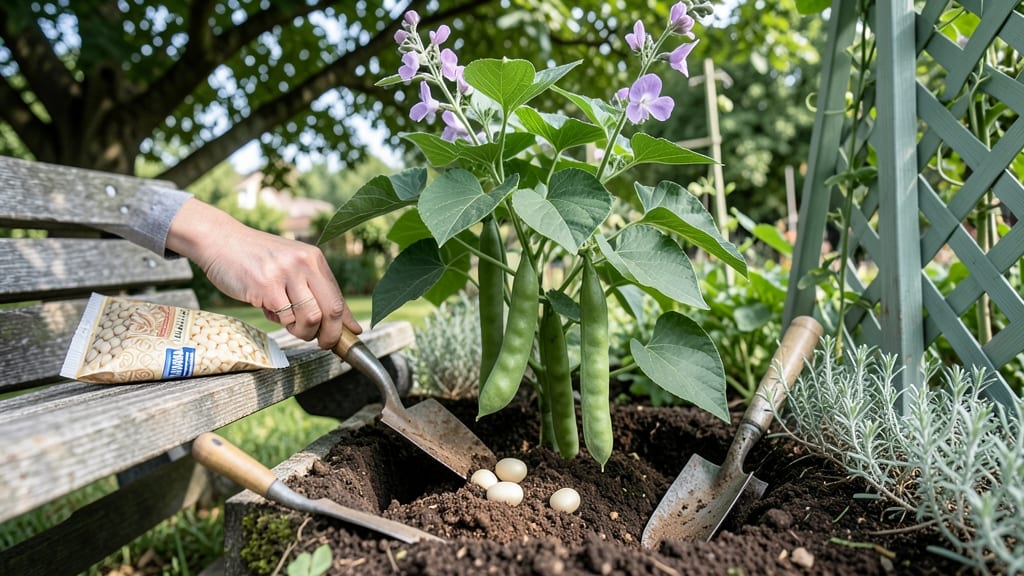
Knowing when to plant lima beans in Zone 9 can make or break your harvest—especially when the wrong timing means struggling with heat stress or missed yields.
These warm-weather lovers 🌱 need just the right conditions to thrive, and getting it right means the difference between a garden full of tender pods and a sad, wilted disappointment.
In Zone 9 (think Southern California, Arizona, or Nevada), the ideal window is late winter to early spring, but there’s more to it than just picking a month.
Soil temperatures, humidity, and even microclimates play a huge role in whether your beans will germinate smoothly or bolt before you can say "harvest time." Let’s break down the exact timing and pro tips to set you up for success.
You might assume planting early is always better, but lima beans hate cold soil—60°F or warmer is their happy zone. That means waiting until after the last frost (usually mid-January in 9a/9b) and avoiding the peak summer heat, which can stress young plants.
I’ll show you how to time it perfectly for maximum yields.
Ready to grow lima beans like a pro? Stick with me, and you’ll learn not just when to plant, but how to choose the best heat-tolerant varieties and manage your garden for continuous harvests—even through Zone 9’s sweltering summers.
Optimal planting months for lima beans in Zone 9: exact timing for maximum yields
Zone 9 gardeners enjoy long growing seasons, but timing is everything when planting lima beans. These heat-loving plants need warm soil (at least 60°F/15°C) to germinate properly. Planting too early can lead to slow germination or even rot, while waiting too long risks heat stress during flowering.
In Zone 9, your best planting window spans from mid-February to early May, with March and April being the sweet spot. This timing ensures your beans establish roots before summer’s peak heat arrives. Coastal areas may start slightly earlier, while inland desert regions should wait until soil warms fully.
For a second harvest, consider a late summer planting in August—but only if your area experiences mild fall temperatures. Lima beans planted too late may not mature before cooler weather sets in.
Always check your last frost date (typically January 15 in Zone 9) to avoid any unexpected chills.
Here’s a quick reference for soil temperature and planting readiness in Zone 9:
| Month | Soil Temp (°F) | Planting Window | Notes |
|---|---|---|---|
| February | 55-60°F | Late February (coastal) | Risk of cool snaps; use row covers |
| March | 60-65°F | Ideal for most of Zone 9 | Best germination success |
| April | 65-70°F | Peak planting time | Avoid midday heat stress |
| May | 70-75°F | Late May (high elevations) | Provide afternoon shade |
| August | 65-70°F | Second planting (fall) | Harvest before temps drop |
If you’re direct sowing seeds, plant them 1 inch deep and 3-4 inches apart. For transplants, wait until seedlings have 2-3 true leaves and harden off before moving them to the garden.
In container gardens, use pots at least 12 inches deep to accommodate their deep root systems.
Monitor your soil moisture closely after planting—consistent watering prevents seedling stress. Mulch with straw or grass clippings to retain moisture and regulate soil temperature. Avoid overhead watering during peak sun hours to reduce fungal risks like bacterial blight, common in Zone 9’s humidity.
For succession planting, sow new seeds every 2-3 weeks from March through May. This staggered approach ensures a continuous harvest rather than one massive yield. In desert climates, consider using drip irrigation to deliver water directly to roots while keeping foliage dry.
Remember, lima beans are sensitive to temperature fluctuations. If nights dip below 55°F/13°C, use frost blankets to protect young plants. With the right timing and care, you’ll enjoy tender, homegrown lima beans from late spring through summer!
Optimal planting months for lima beans in Zone 9: exact timing for maximum yields
Zone 9 gardeners have a unique advantage with lima beans—their warm climate extends the growing season beyond typical spring plantings. Unlike cooler zones, you can successfully grow lima beans in both spring and fall, but timing is critical to avoid heat stress during germination or premature bolting.
The key is planting when soil temperatures are consistently above 60°F (15°C) and nighttime temps stay above 55°F (13°C).
Most Zone 9 gardeners achieve the best results by planting lima beans between mid-February and early April. This window ensures seeds germinate before summer's intense heat arrives.
For a fall harvest, aim for late summer plantings around August, giving plants time to mature before cooler weather sets in. Always check your local microclimate—coastal areas may handle earlier plantings than inland desert regions.
| Planting Window | Soil Temp Requirement | Ideal Air Temp | Key Consideration |
|---|---|---|---|
| Mid-February to Early April | 60°F+ (15°C) | 55°F+ nights (13°C) | Avoid summer heat stress |
| Late August for fall | 65°F+ (18°C) | 60°F+ nights (16°C) | Prevent premature frost |
| Avoid May-July | N/A | N/A | Extreme heat reduces germination |
Direct sowing is the preferred method for lima beans in Zone 9, as they hate being transplanted. Plant seeds 1 inch deep and 4-6 inches apart in rows spaced 18-24 inches apart. If you're using pole varieties, provide sturdy trellises to save space and improve air circulation.
For bush varieties, space plants 6-8 inches apart in well-draining soil with a pH between 6.0 and 7.0.
One common mistake in Zone 9 is planting too early, which can lead to seed rot from cool, damp soils. Always test soil temperature with a soil thermometer before planting—seeds won't germinate below 60°F (15°C).
If your soil is still cool in February, wait 2-3 weeks or use black plastic mulch to warm the soil faster. This trick works wonders in desert climates where daytime temps soar but nights remain chilly.
For gardeners in coastal Zone 9a (like San Diego), you can push plantings slightly earlier—even late January—thanks to milder winters. However, inland areas (like Phoenix) should wait until mid-March to avoid unexpected cold snaps. Always monitor your local 10-day forecast for any unusual temperature drops that could damage young seedlings.
Remember that lima beans are heat-sensitive during germination but thrive in summer's warmth once established. The goal is to have plants 6-8 inches tall before temperatures exceed 90°F (32°C) daily. This timing ensures robust vines that produce abundant pods before the season's peak heat arrives in June and July.