
Plants
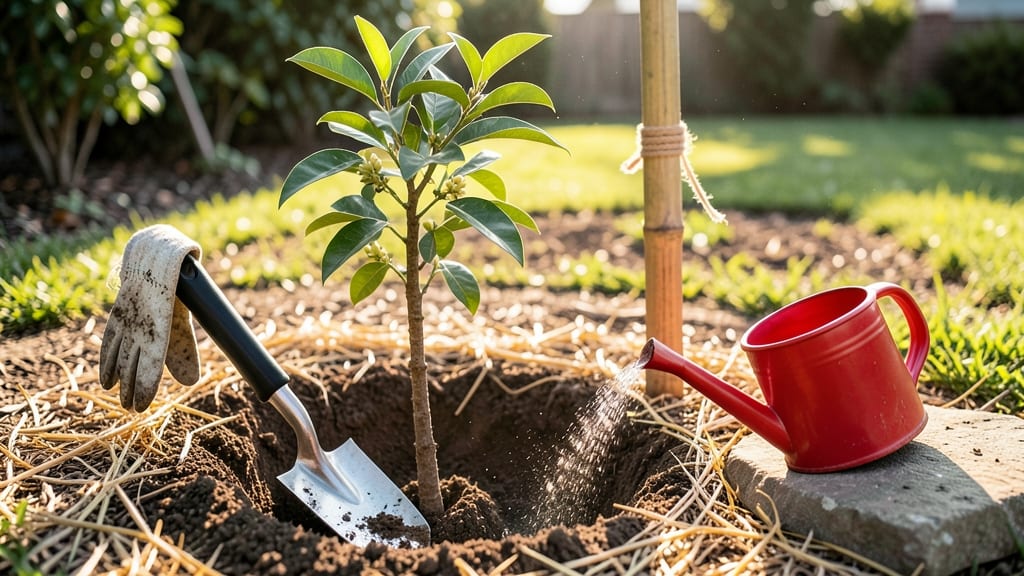
Best planting months for mango trees by USDA climate zones
Mango trees thrive in USDA Zones 10-11, where frost is a non-issue. However, gardeners in Zone 9b can still grow them with winter protection. The key is planting when soil temperatures stay above 60°F (15°C)—this ensures root establishment before cooler months arrive.
In frost-free zones (10-11), you can plant mango trees year-round. But for gardeners in marginal zones like Zone 9b, timing is critical. Aim for late winter to early spring (February-March) to avoid frost damage during the tree’s vulnerable first year.
Soil temperature is your best guide. Use a soil thermometer to confirm readings above 60°F (15°C) at a 4-inch depth. In cooler zones, wait until after the last frost date—typically mid-December in Zone 9b—to plant.
Here’s how planting windows vary by zone:
In Zones 10-11, the ideal window is February-April, aligning with the start of the wet season in many tropical regions. This timing ensures consistent moisture for root development and reduces transplant shock.
For Zone 9b, planting in February-March gives roots 6-8 months to establish before winter. If you miss this window, opt for container planting and move trees indoors or under cover during frost risks.
In Zones 8a-9a, mango trees are only viable in containers with winter protection. Plant in late spring (May-June) after soil warms to 65°F (18°C) and move trees indoors when night temps drop below 50°F (10°C).
Pro tip: If planting in summer (June-August), choose cloudy days to reduce transplant shock. Water deeply before and after planting to help roots acclimate to their new home.
Always test your soil’s drainage before planting. Mango trees hate soggy roots, so amend heavy clay with compost or sand to improve aeration. Aim for a slightly acidic pH (5.0-6.5) for optimal growth.
🌱
Mango variety-specific planting timelines and growth quirks
Not all mango varieties play by the same rules—some, like the Haden variety, handle cooler Zone 9b winters better than others. Meanwhile, tropical Carrie mangoes demand year-round warmth and will suffer if planted outside their ideal climate. Understanding these nuances ensures your tree thrives from day one.
For nursery-grown trees, timing matters even more. These saplings are already established and can be planted year-round in frost-free zones, but in marginal areas, late winter (February) gives roots time to establish before summer heat arrives.
Seedlings, however, need extra patience—they should wait until spring (March-April) when soil temperatures consistently stay above 65°F (18°C).
Here’s how three popular varieties stack up in terms of planting windows and growth expectations:
| Variety | Best Planting Window | Cold Tolerance | Time to First Fruit | Growth Quirk |
|---|---|---|---|---|
| Haden | Feb-Mar (Zone 9b) / Year-round (Zones 10-11) | Tolerates brief 28°F (-2°C) | 3-4 years | Slow early growth; needs winter protection in Zone 9b |
| Keitt | Mar-Apr (all zones) | Sensitive to frost; dies below 30°F (-1°C) | 4-5 years | Needs consistent warmth; avoid transplant shock |
| Carrie | Year-round (Zones 10-11 only) | No frost tolerance | 2-3 years | Fast grower; needs rich, moist soil |
The Haden variety is your safest bet for cooler climates, while Carrie mangoes reward patience with faster fruiting but demand tropical conditions year-round. If you’re planting from seed, expect a 5+ year delay before fruiting—nursery trees are the clear winner for speed.
Always check your local last frost date and adjust planting by at least 4-6 weeks afterward.
Pro tip: Root-prune nursery trees 2-3 weeks before planting to encourage a stronger root system and reduce transplant shock. This small step can boost survival rates by up to 30% in marginal climates.
🌱