
Plants
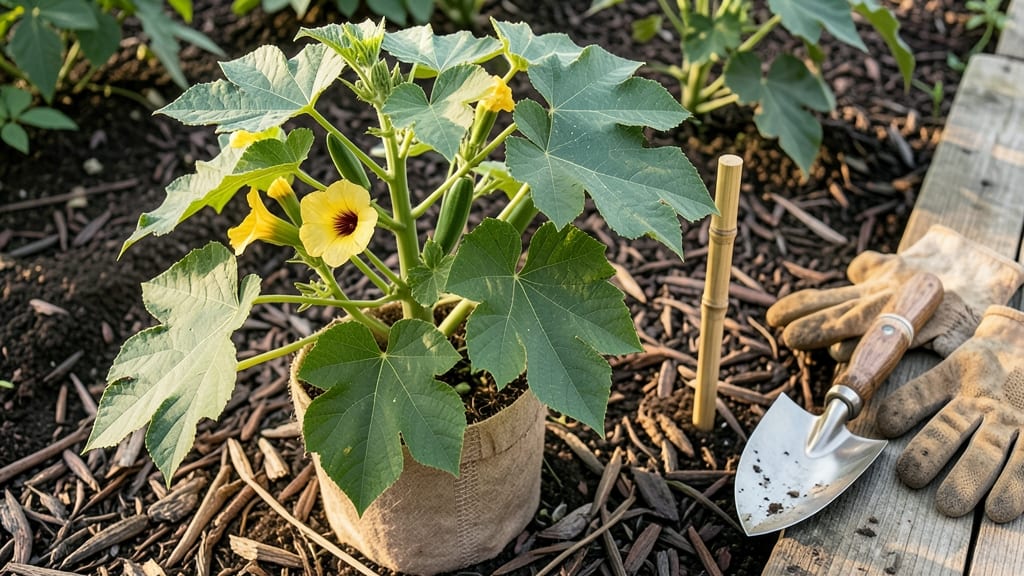
If you’ve ever planted okra in Zone 6 only to watch it wilt from a late frost or bolt too soon, you’re not alone. When to plant okra in Zone 6 isn’t just about waiting for spring—it’s about timing the heat just right for those lush, productive plants you crave.
The difference between a thriving garden and a failed crop often comes down to those critical weeks after the last frost when soil finally warms up.
Okra is a heat-loving 🌱 that refuses to grow in cold soil, and Zone 6’s unpredictable transitions from spring chill to summer scorching make it tricky. Plant too early, and frost will kill your seedlings before they even sprout.
Plant too late, and you’ll miss the ideal harvest window of late summer to early fall. The secret? Waiting until soil temperatures hit at least 60°F—a rule that separates successful gardeners from those left scratching their heads in July with no pods to show for it.
But here’s the good news: with the right approach, you can nail this timing every year. I’ll walk you through the exact heat-dependent weeks to plant, how to adjust for your specific corner of Zone 6, and even which varieties handle the region’s quirks best.
No more guesswork—just a foolproof plan for the okra harvest of your dreams.
Ready to turn your Zone 6 garden into a okra powerhouse? Let’s dive into the details that will make this your most productive summer yet.
Zone 6 okra planting calendar: exact weeks based on last frost dates
Okra loves warmth, but in Zone 6, planting too soon means risking frost damage or stunted growth. The key is waiting until the soil temperature consistently stays above 60°F—this usually happens 2-4 weeks after your last frost date.
For most of Zone 6, that means aiming for mid-May to early June, but regional differences matter.
Northern Zone 6 areas (like Chicago or Buffalo) often have later last frosts, so hold off until late May or early June. Southern Zone 6 (like Atlanta or Nashville) can plant as early as mid-April to early May if nights stay above 55°F.
Always check your local USDA Plant Hardiness Zone map for precision.
Okra seeds germinate best in 70-90°F soil, so don’t rush—cool soils delay sprouting. If you’re eager, start seeds indoors 3-4 weeks before your target outdoor date, but transplant carefully to avoid shock. Hardening off seedlings is a must in Zone 6’s fluctuating spring temps.
Here’s your Zone 6 okra planting timeline broken down by region and key milestones:
| Region | Last Frost Date | Ideal Planting Window | Soil Temp Requirement | Notes |
|---|---|---|---|---|
| Northern Zone 6 (e.g., Chicago, Buffalo) | May 1-15 | Late May–Early June | 60–65°F | Use row covers for early starts |
| Central Zone 6 (e.g., Columbus, Indianapolis) | April 15–May 1 | Mid-May–Late May | 65–70°F | Direct sow after Memorial Day |
| Southern Zone 6 (e.g., Atlanta, Nashville) | March 15–April 15 | Mid-April–Early May | 70–75°F | Can plant earlier with black plastic mulch |
For direct sowing (the preferred method for okra), wait until nighttime temps stay above 60°F. If you’re transplanting seedlings, harden them off for 7–10 days before moving them outside. Okra’s deep taproot means it hates being disturbed, so avoid transplanting unless necessary.
Pro tip: Use a soil thermometer to confirm temps before planting. Okra seeds won’t germinate in soils below 60°F, and even if they do, growth will be slow.
Patience here pays off with stronger, more productive plants. Once planted, okra thrives in full sun (6–8+ hours daily) and well-draining soil.
If you’re in a cooler microclimate within Zone 6, consider black plastic mulch or row covers to warm the soil faster. These tricks can shave off 1–2 weeks of waiting time. Just remove covers once pods form to prevent overheating.
Remember: Okra’s 60–75 day harvest window starts from seed. Planting too late risks a short season, but planting too early risks frost damage. Balance is key—aim for a late May to early June start in most of Zone 6 for a late summer harvest before fall frosts hit.
Once your okra is in the ground, focus on consistent moisture (1–2 inches per week) and regular harvesting to encourage more pods. With the right timing, you’ll enjoy fresh okra straight from your garden all summer long! 🌱
How to adjust okra planting for Zone 6’s unpredictable heat patterns
Zone 6’s spring can swing from freezing nights to sudden heatwaves in weeks, making okra planting tricky. The key is flexibility—adjusting your timeline based on soil temperature and weather forecasts rather than rigid dates.
I’ve learned that waiting for consistent 60°F+ soil temps (measured in the morning) is far more reliable than guessing by the calendar.
Use a soil thermometer to track warmth—okra seeds won’t germinate below 60°F, and seedlings will bolt if exposed to heat too soon.
In my garden, I’ve seen okra planted in early May (when soil hit 62°F) thrive, while late April plantings often stalled due to lingering cool spells. Patience pays off—rushing leads to leggy, weak plants.
🌱
⚠️ Critical Warning: Avoid Transplant Shock
Never transplant okra seedlings into cold soil (below 55°F). Roots struggle to establish, and plants wilt under Zone 6’s unpredictable heat spikes. Harden off seedlings gradually by moving them to outdoor shade for 1-2 hours daily 3 days before transplanting.
For extended growing seasons, try row covers or black plastic mulch to warm soil faster. I’ve used floating row covers in early spring to protect seedlings from late frosts while accelerating soil temperature.
Remove covers once plants are 3 inches tall to prevent overheating. This trick has added 2-3 weeks to my okra’s growing window.
Choose heat-tolerant varieties like ‘Clemson Spineless’ or ‘Emerald’, which handle Zone 6’s summer fluctuations better than standard types. These varieties also mature faster (50-55 days), giving you a head start before fall frosts.
I’ve had success with succession planting—sowing seeds every 2 weeks from late May through early July—to stagger harvests.
Monitor air temperatures too—okra bolts (prematurely flowers) if nights stay above 75°F for weeks. In my experience, shade cloth (30%) during extreme heat (above 90°F) prevents bolting while keeping plants productive. Water deeply at the base of plants in the morning to cool roots and reduce stress.
If frost threatens early, harvest pods aggressively and let plants recover for 2-3 weeks—they’ll often produce a second flush of smaller pods. I’ve extended my harvest into late October using this method, even in Zone 6a’s shorter seasons. The secret? Stay adaptable and let your garden guide you.