
Plants
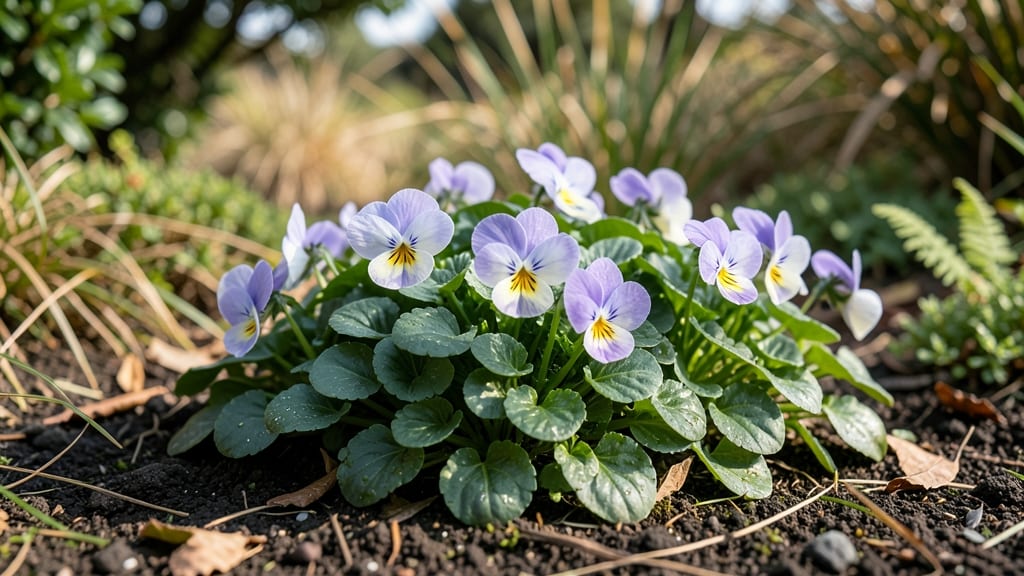
Timing your pansy planting in Australia can mean the difference between a vibrant garden bursting with color or flowers that struggle to take hold. These cheerful 🌸 blooms love cooler weather, but Australia’s diverse climates make the perfect window tricky to pin down—especially when you want year-round displays.
Whether you’re in Sydney’s mild winters or Perth’s sunny coastal breeze, planting pansies at the right time ensures they thrive from spring to autumn. I’ll break down exactly when to start seeds or transplant young plants, so you can avoid common mistakes like heat stress or leggy growth.
From preparing well-draining soil to adjusting care for microclimates, this guide covers everything you need to know. You’ll learn how to extend blooms, choose the best varieties for your region, and even troubleshoot issues before they start.
Ready to transform your garden into a nonstop show of color? Let’s get those pansies in the ground at the perfect moment for your part of Australia.
Best planting times for pansies across Australia’s climate zones
Australia’s climate zones mean pansies thrive at different times depending on where you live. In temperate regions like Sydney or Melbourne, autumn and spring are ideal, while subtropical areas like Brisbane can enjoy pansies year-round with the right care.
Alpine regions like the Victorian Highlands even allow summer planting when temperatures drop. The key is planting 6–8 weeks before cooler weather to give roots time to establish.
For coastal areas, mild winters let you plant pansies from late winter to early autumn. Inland regions with hot summers should focus on autumn and spring planting to avoid heat stress. Microclimates—like sheltered spots in cities—can extend planting windows by 2–4 weeks compared to exposed areas.
🌱
| Region | Best Planting Time | Notes |
|---|---|---|
| Temperate (Sydney, Melbourne) | Autumn (March–May) & Spring (August–October) | Avoid summer heat; mulch to retain moisture. |
| Subtropical (Brisbane, Gold Coast) | Year-round (with shade in summer) | Provide afternoon shade; water daily in heatwaves. |
| Alpine (Victorian Highlands) | Summer (December–February) | Cool nights prevent bolting; protect from hail. |
| Arid (Perth, Adelaide) | Autumn (March–April) only | Use shade cloth; water deeply at dusk. |
In temperate zones, aim to plant pansies 4–6 weeks before the first frost (even if rare in coastal areas). For example, in Melbourne, late August to early September is perfect for spring blooms, while March to April sets up autumn displays.
Use a soil thermometer to check roots stay above 10°C—pansies struggle below this.
For subtropical climates, like the Gold Coast, pansies can bloom almost year-round, but summer planting requires extra care. Provide 30–50% shade cloth during peak heat (12–3 PM) and water at the soil level (not leaves) to prevent fungal issues.
In Brisbane, September to November and February to March are the sweet spots.
Alpine gardeners can push boundaries by planting in late November to January, taking advantage of cooler nights. However, avoid planting after mid-January as days lengthen, causing pansies to bolt (flower prematurely). Use black polythene mulch to keep roots cool and retain moisture.
If you live in arid regions like Perth or Adelaide, limit planting to autumn only. The intense summer sun can scorch pansies in just 2–3 hours of exposure. Start seeds or transplants in late March and use cloche protection if frost threatens in winter.
Pro tip: Test your soil’s drainage before planting—pansies hate soggy roots. Amend heavy clay with gypsum or coarse sand, and add compost for nutrients. A pH of 6.0–7.0 is ideal, so test kits are worth the investment for long-term success.
🌿
How to extend pansy blooms: seasonal care tips for australian gardens
Once you’ve planted your pansies at the right time, seasonal care is key to keeping them blooming for months. In Australia’s varied climates, pansies need different treatments depending on whether you’re in hot summers, cool winters, or humid subtropical zones.
The secret to long-lasting color? Adjusting care with the seasons.
Start with well-draining soil enriched with compost—this gives pansies the nutrients they need to thrive. Partial shade (especially in summer) prevents heat stress, while morning sun keeps blooms vibrant.
In cooler regions like Tasmania or the Victorian Highlands, pansies can even handle light frost, but mulching protects roots from temperature swings.
Here’s how to tailor your care for each season to maximize blooms:
After winter dormancy, feed lightly with a balanced fertilizer (5-10-10) to encourage new growth. Remove spent blooms to prompt more flowers. Water deeply every 2–3 days as temperatures rise.
Reduce watering to every other day and provide afternoon shade to prevent wilting. Avoid fertilizing—pansies can bolt in heat. Deadhead regularly to maintain shape and color.
This is peak pansy season! Feed again in early autumn to extend blooms. Water every 3–4 days and mulch to retain moisture. Coastal areas may need extra shade.
In cooler zones, pansies thrive in winter. Water sparingly (every 5–7 days) and protect from heavy frost with a light frost cloth. No fertilizer needed—let them rest.
Watch for common issues like leggy growth (too little light) or powdery mildew (high humidity). Prune leggy stems to encourage bushier plants, and space pansies 8–12 inches apart for airflow. In humid areas, avoid overhead watering to prevent fungal diseases.
With these seasonal tweaks, your pansies will reward you with continuous blooms from autumn through spring—even in Australia’s toughest climates! 🌸