
Trees
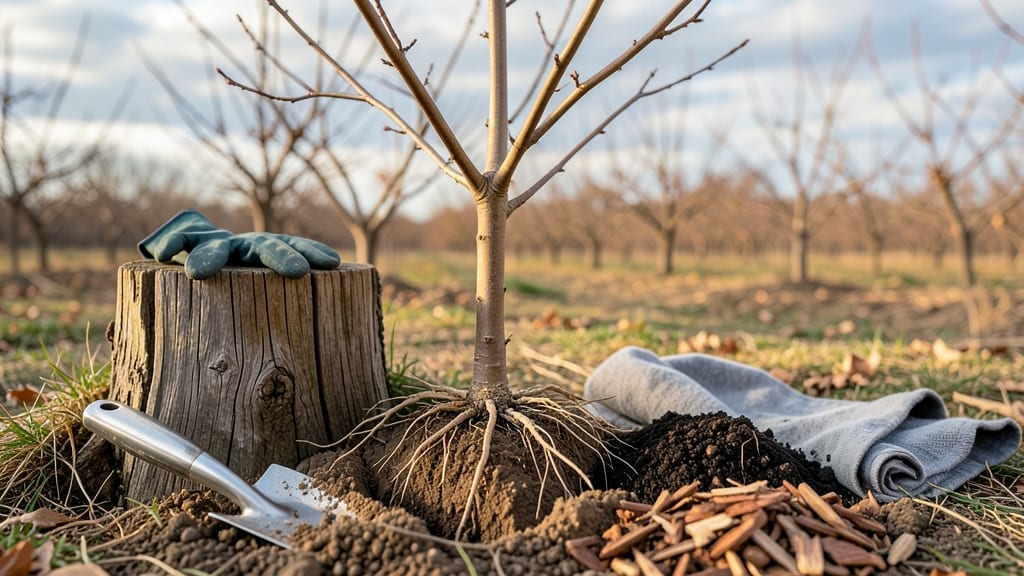
Planting a peach tree 🍑 in Tennessee at the wrong time could mean the difference between a lush, fruit-bearing tree and a sad, frost-bitten sapling. With Tennessee’s 6a-7b zones and unpredictable frost dates, timing isn’t just important—it’s everything.
If you’ve ever wondered why some peach trees thrive while others struggle, the answer likely lies in when they were planted. The ideal window for planting—late winter to early spring—aligns with Tennessee’s climate patterns, giving your tree the best chance to establish strong roots before summer heat arrives.
In this guide, I’ll break down exactly when to plant your peach tree based on your region, from East Tennessee’s cooler microclimates to West Tennessee’s warmer stretches. You’ll also learn how to prepare your soil, choose the right variety, and avoid common pitfalls that could derail your tree’s growth.
Whether you’re a first-time gardener or a seasoned grower, these insights will help you plant with confidence—and set the stage for a bountiful harvest from June to August. Let’s get started.
Tennessee’s chill-hour zones: matching peach tree varieties to your location
Tennessee’s climate varies dramatically from its mountainous east to its humid west, creating distinct chill-hour zones that dictate which peach tree varieties will thrive in your yard.
Chill hours—the number of hours below 45°F (7°C) during dormancy—are critical for peach trees, which need between 400–1,000+ hours to produce fruit successfully.
East Tennessee’s higher elevations (USDA Zones 6a–6b) typically accumulate 800–1,000+ chill hours, while West Tennessee’s warmer lowlands (Zones 7a–7b) often see only 400–600 hours.
Middle Tennessee falls somewhere in between, with 600–800 hours in most areas. Choosing the wrong variety can lead to poor flowering or no fruit at all.
To find your exact chill-hour zone, check the Tennessee State University Extension maps or use the USDA Plant Hardiness Zone Map. For example, Chattanooga (Zone 7a) has around 500–600 chill hours, while Bristol (Zone 6b) sees 800–900 hours.
This difference means a Redhaven peach (needs 500+ hours) might struggle in Bristol, while a Elberta peach (needs 800+ hours) could fail in Chattanooga.
🌱 Key Takeaway: Always match your peach tree variety to your local chill hours. For instance, low-chill varieties like Contender or Redtop work well in West Tennessee, while high-chill varieties like Loring or Reliance suit East Tennessee’s cooler winters.
If you’re unsure about your chill hours, consider planting a low-chill variety like Contender, which thrives in 400–600 hours and is a reliable choice for West and Middle Tennessee.
For East Tennessee’s cooler climate, Elberta or Loring are excellent picks, offering sweet, juicy fruit with minimal risk of poor pollination.
Another tip: Microclimates matter. A south-facing slope in East Tennessee might add 100+ extra chill hours compared to a valley just miles away. Observe your yard’s frost patterns for at least two years to refine your planting strategy.
For example, higher elevations in Knoxville (Zone 6b) may support high-chill varieties, while lower elevations near the Cumberland Plateau might not.
When selecting a nursery, ask about local trials or customer success stories with specific varieties. Many Tennessee nurseries, like Tennessee Wholesale Nursery or Lake City Tree Farm, carry regionally tested peach trees.
Avoid generic online orders unless you’re certain about your chill hours—wrong varieties mean wasted money and effort.
Pro tip: Cross-pollination works best with two compatible varieties. For example, plant a Redhaven (male-friendly) alongside a Contender (female-friendly) in Middle Tennessee to ensure better fruit set. Always check the pollination group on the nursery tag to avoid mismatches.
Finally, if you’re in a transition zone (like Nashville’s outskirts), consider heat-tolerant varieties like Halehaven, which handles warmer winters better than traditional high-chill peaches. Tennessee’s climate is changing, and adaptable varieties will give you the best long-term success.
Once you’ve matched your variety to your chill hours, the next step is timing—planting too early or late can still spell disaster, even with the right tree. We’ll cover frost-free deadlines and the best planting windows for Tennessee’s three regions in the next section.
Frost-free deadlines by Tennessee region: when to plant bare-root vs. containerized peach trees
Tennessee’s three distinct regions—East, Middle, and West—each have unique frost-free deadlines that dictate the best time to plant peach trees.
In East Tennessee (USDA zones 6a-7a), the last frost typically hits around March 20-25, while Middle Tennessee (zones 6b-7b) sees its last frost March 10-15. West Tennessee (zones 7a-7b) is the warmest, with last frosts often by March 5.
These dates are critical for choosing between bare-root and containerized peach trees.
For bare-root peach trees, plant 2-3 weeks after your region’s last frost date. This gives roots time to establish before summer heat arrives. In East Tennessee, aim for early April, while Middle and West Tennessee gardeners can plant as early as late March.
Containerized trees offer more flexibility—plant them throughout spring (March-May) or even in early fall (September-October), as long as the soil stays above 50°F (10°C).
| Region | Last Frost Date | Best Planting Window (Bare-Root) | Best Planting Window (Containerized) |
|---|---|---|---|
| East Tennessee | March 20-25 | Early April | March-May or Sept-Oct |
| Middle Tennessee | March 10-15 | Late March-April | March-May or Sept-Oct |
| West Tennessee | March 5 | Late March | March-May or Sept-Oct |
Microclimates can shift these deadlines by 1-2 weeks. For example, valley areas in East Tennessee may experience later frosts, while southern slopes in West Tennessee often warm up faster. To hedge your bets, use a local frost calendar or plant containerized trees in late spring if early-season risks persist.
Always check soil temperature—50°F (10°C) is the minimum for safe planting.
If you miss the spring window, fall planting is your next best option, but only in West and Middle Tennessee. Plant containerized trees in September-October, allowing roots to establish before winter dormancy.
Avoid fall planting in East Tennessee, where earlier frosts can damage tender roots. For all regions, water deeply after planting and apply 2-3 inches of mulch to retain moisture and regulate soil temperature.
Pro tip: Use frost cloth or row covers for the first 2 weeks after planting to protect young trees from unexpected late frosts. Tennessee’s spring frost risks can linger into April, especially in higher elevations. Monitor your local National Weather Service forecasts and adjust your planting timeline accordingly.
Timing isn’t just about frost—it’s also about soil warmth. Peach trees struggle in cold, wet soil, so wait until the ground thaws to a depth of 6-8 inches.
In East Tennessee, this often means waiting until mid-April, while West Tennessee gardeners can plant as early as late March. Use a soil thermometer to confirm readiness—50°F (10°C) is the magic number for root growth.
Remember, containerized trees adapt better to late planting than bare-root varieties. If you’re unsure about timing, opt for containerized peach trees and plant them in late spring (May) rather than risking frost damage with bare-root saplings.
With the right timing and care, your peach tree will reward you with juicy fruit in 2-3 years—just in time for Tennessee’s hot summers! 🍑