
Plants
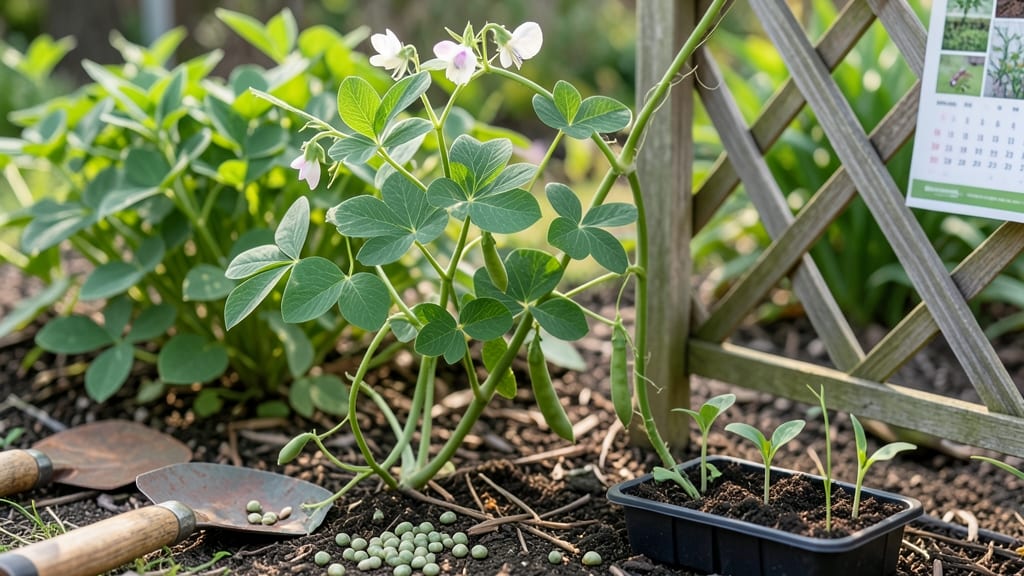
If you’ve ever watched your pea plants wilt under New York’s unpredictable spring weather, you know timing is everything for a fast, bountiful harvest.
The perfect window to plant peas in New York isn’t just about the calendar—it’s about beating the heat and avoiding frost, whether you’re in zone 6a or nearby areas.
Peas are cool-weather champions, but they bolt when temperatures creep above 80°F. That’s why early spring (March–April) or late summer (August–September) are your best bets.
For zone 6a, aim to sow seeds 4–6 weeks before the last frost date, typically by mid-March, to ensure quick germination and a harvest by June.
Don’t overlook fall planting—August is ideal for a second crop, giving you a harvest before winter sets in. With the right timing, you’ll skip the guesswork and enjoy tender, sweet peas straight from your garden. Let’s break down the exact dates and tips to make your 🌱 peas thrive.
Whether you’re a seasoned gardener or just starting, mastering these start dates means fewer missed opportunities and more homegrown goodness. Ready to grow peas that outperform the grocery store? Here’s how to do it right in New York’s climate.
Pea planting calendar for New York Zones: exact start dates by region
New York spans USDA Zones 4-7, each with slightly different frost dates that dictate your pea planting window. Peas are cool-season crops that germinate best between 32°F and 85°F, but they’ll bolt (flower prematurely) if temperatures exceed 75°F for prolonged periods.
For the fastest germination and sweetest pods, aim to plant 4-6 weeks before your last frost date in spring or 8-10 weeks before the first frost in fall.
In Zone 4 (Northern NY), like the Adirondacks or Plattsburgh, your last frost typically lands around May 15. Start peas indoors 8-10 weeks earlier (March 1) or sow directly in late April to early May when soil reaches 40°F.
For Zone 7 (Southern NY), such as Long Island or NYC, your last frost is usually April 1, so direct-sow peas by March 15 for an early harvest.
Fall planting is trickier but possible in Zones 5-7. Seed peas 8-10 weeks before your first frost—typically late August to early September—to enjoy a harvest before winter sets in.
In Zone 4, fall planting is riskier due to early frosts, but you can try early August for a late-summer crop.
Always check your local frost dates using the National Weather Service or Cornell Cooperative Extension, as microclimates (like urban heat islands in NYC) can shift timing by 1-2 weeks. For example, Buffalo (Zone 6a) may plant 2 weeks later than Albany (Zone 5b) due to lake-effect cooling.
Peas thrive in cool, moist soil, so avoid planting when daytime temps exceed 70°F. If your spring warms up quickly, opt for shade-tolerant varieties like 'Green Arrow' or use row covers to delay bolting. For fall, choose cold-hardy types like 'Lincoln' to withstand light frosts.
🌱 Pea Planting Calendar for New York Zones
| Zone | Last Frost | First Frost | Spring Planting Window | Fall Planting Window | Notes |
|---|---|---|---|---|---|
| 4 (Northern NY) | May 15 | October 1 | Late April–Early May | Early August (risky) | Use row covers for frost protection |
| 5 (Central NY) | May 1 | October 15 | Mid-April–Late April | Late August | Ideal for 'Sugar Snap' varieties |
| 6 (Western NY) | April 15 | October 20 | Late March–Early April | Early September | Best for 'Wando' (dwarf) |
| 7 (Southern NY) | March 15 | November 1 | Mid-March–Late March | Late September | Try 'Oregon Sugar Pod' |
For container gardening in NYC or urban areas, start peas indoors 4-6 weeks before your last frost and transplant seedlings into 5-gallon pots with trellises. Containers warm up faster, so monitor soil temps closely—peas won’t germinate well below 40°F.
If your soil is still frozen in spring, use black plastic mulch to warm it up 2-3 weeks faster.
Pro tip: Soak pea seeds overnight before planting to speed up germination. Drop them 1 inch deep and 2 inches apart in rows 18 inches apart (or closer for bush varieties).
Thin seedlings to 3 inches apart once they’re 2 inches tall to prevent overcrowding. Add a trellis or stakes early to support vining types like 'Alderman'.
Peas are nitrogen-fixers, meaning they enrich soil as they grow. Avoid heavy fertilization—they prefer light, well-draining soil with a pH of 6.0-7.0. If your soil is acidic (below 6.0), amend it with lime before planting.
In heavy clay soils (common in upstate NY), mix in compost or sand to improve drainage.
Once planted, keep soil consistently moist (but not soggy) by watering deeply 2-3 times per week. Mulch with straw or grass clippings to retain moisture and suppress weeds. In dry spells, water in the early morning to reduce fungal diseases like powdery mildew, which thr
How to extend pea growing season in New York: cold frames, row covers, and succession planting
New York’s short growing season can be tricky for peas, but with the right techniques, you can enjoy fresh pods well beyond the usual May-June harvest window. I’ve found that extending the season—whether by protecting early plants or staggering fall plantings—adds weeks of productivity.
Let’s break down the best methods to maximize your pea yield.
For early starts, cold frames or row covers are game-changers. These tools create a microclimate that shields seedlings from late frost (below 28°F) while still allowing sunlight.
I’ve used floating row covers in my Zone 6b garden to push first plantings back by 3-4 weeks without risking frost damage.
Here’s how to implement these strategies effectively, from soil prep to harvest timing:
Use floating row covers or low tunnels to harden off seedlings before transplanting.
Sow peas every 2 weeks from March to early May for continuous harvests.
Start seeds 8-10 weeks before first frost (early August) for a September-October harvest.
Plant dwarf varieties in cold frames by late September to harvest through November.
Add compost and aged manure to boost soil fertility for fall-grown peas.
One of my favorite fall planting hacks is using sugar snap peas or snow peas, which mature faster than shelling peas. These varieties can often be harvested 60-70 days after sowing, even when temperatures dip into the 40s°F at night.
Just be sure to use trellises to save space and improve air circulation.
For those late-season harvests, I recommend checking soil temperatures—peas germinate best when soil is between 40°F and 85°F. If your garden stays too warm (above 80°F), peas will bolt quickly. A simple soil thermometer ($10 at garden centers) helps avoid this pitfall.
With these techniques, you can turn New York’s short growing season into a pea-producing powerhouse. Start small—try one early and one late planting this year—and watch your harvest stretch from May to October! 🌱