
Plants
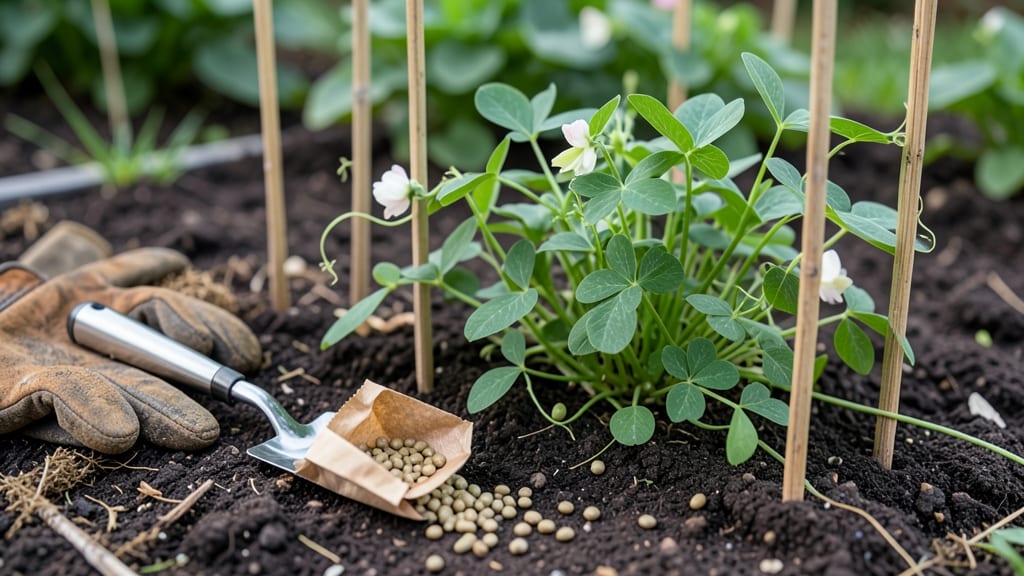
Timing your peas planting in New Hampshire isn't just about following a calendar—it's about beating the 5b-6a zone challenges that can turn tender seedlings into sad, wilted memories.
Whether you're dreaming of crisp spring pods or planning a late-summer harvest, getting those seeds in the ground at the right moment makes all the difference.
Here's the deal: Peas are cool-season champions that thrive when soil temperatures hover between 40-50°F, but NH's fickle weather can throw off even the best-laid plans.
That's why knowing when to plant—whether it's early spring (March-April) or late summer (August)—is your secret weapon for a bountiful harvest before summer heat moves in.
I'll walk you through the exact windows that work best for NH gardeners, including how to handle those tricky frost dates that can sneak up when you least expect them.
Plus, we'll cover which varieties play nice with our climate and how to stretch your harvest season with simple but effective tricks.
Ready to turn your garden into a pea-producing powerhouse? Let's dive into the timing tips that'll have you picking fresh pods all season long—no guesswork required.
New Hampshire’s ideal pea planting window: frost dates & soil temps
New Hampshire’s USDA Zones 4b-5a mean peas can thrive in cool spring temperatures that many other crops can’t handle. The key to success is planting when soil temps hit 40-50°F—this ensures fast germination and strong early growth before summer heat arrives.
Missing this window risks stunted plants or bolted peas that turn bitter.
Most of NH experiences its last spring frost between April 15-30, but coastal areas like Portsmouth may see frost-free conditions 2-3 weeks earlier. Inland regions like Concord often hold onto frost longer.
To pinpoint your exact frost dates, use the National Weather Service’s frost calculator or local extension office resources.
For spring planting, aim to sow peas 4-6 weeks before your last frost date. This gives them time to establish roots while still benefiting from NH’s cool, moist springs.
For example, if your last frost is April 20, start planting around March 15-25 for early varieties like Sugar Ann.
Soil temperature is just as critical as air temperature. Use a soil thermometer to verify readiness—peas won’t sprout reliably below 40°F. If your soil is too cold, try black plastic mulch or a cold frame to warm it up faster. Warmer soil also reduces the risk of pea diseases like powdery mildew.
Don’t overlook fall planting either! NH’s first frost typically arrives between October 10-25, leaving a window for late-season varieties. Plant 8-10 weeks before your first frost (around August 1-15) for a harvest in September-October. Varieties like Lincoln handle cooler temps well and produce sweeter pods after frost.
Here’s a quick rule of thumb: Plant peas as soon as the soil is workable in spring, even if there’s still a chance of frost. Peas are cold-hardy and can tolerate light frosts (28°F) once established.
Just avoid planting when soil is frozen or waterlogged, as this slows germination dramatically.
| Factor | New Hampshire Specification | Actionable Tip |
|---|---|---|
| Last Frost Date | April 15-30 (varies by region) | Plant 4-6 weeks before for spring harvest. |
| Soil Temperature | 40-50°F for germination | Use a soil thermometer to confirm. |
| First Frost Date | October 10-25 | Plant 8-10 weeks before for fall harvest. |
| Coastal Adjustment | 2-3 weeks earlier than inland | Check local microclimates for precise timing. |
| Cold Hardiness | Tolerates 28°F after establishment | Use row covers for extra protection. |
If you’re unsure about your exact frost dates, observe your garden over a few years. Note when lilac bushes bloom (a reliable frost indicator)—peas should be in the ground 2-3 weeks after lilacs flower.
Alternatively, plant a test row of peas in early March. If they survive and thrive, you’ve found your ideal window!
For gardeners in higher-elevation areas (like the White Mountains), expect later frost dates and cooler soils. Start seeds indoors 2-3 weeks early and transplant outdoors after the last frost. In lowland valleys, where frosts linger, opt for extra-cold-hardy varieties like Oregon Sugar Pod or Green Arrow.
Remember: Peas are fast growers—most varieties mature in 60-70 days. This means you can often get two harvests in one season if you time your plantings right. For example, a March sowing might yield peas by May-June, while a late July planting could produce into September.
Best pea varieties for NH gardens & their planting timelines
New Hampshire gardeners have plenty of pea varieties to choose from, each with its own planting window and harvest timeline. Early varieties like Sugar Ann thrive in cool soil, while mid-season Green Arrow extends your harvest into summer.
Late varieties such as Lincoln handle warmer temperatures better, making them ideal for late spring or fall plantings.
For the earliest harvests, plant snow peas or sugar snap peas in late February to early March under row covers. These varieties tolerate light frosts and produce tender pods quickly. If you prefer classic garden peas, wait until mid-April when soil temperatures reach 40-50°F.
| Variety | Planting Window | Days to Harvest | Best For |
|---|---|---|---|
| Sugar Ann | Late Feb - Early April | 55-60 days | Early harvests, cold soil |
| Green Arrow | Mid-April - Early May | 60-65 days | Succession planting |
| Lincoln | Late April - Early June | 65-70 days | Late spring/fall |
| Oregon Sugar Pod | Early April - Mid-May | 60-65 days | Sweet snap peas |
To maximize your harvest, try succession planting every 2 weeks from March through May. This ensures a steady supply of fresh peas without overwhelming your garden at once. For fall plantings, aim to sow seeds by mid-August so they mature before the first frost in mid-October.
Choose dwarf varieties like Little Marvel for container gardens or small spaces, while tall varieties like Wando need sturdy trellises. Always rotate crops yearly to prevent soil-borne diseases and improve yields over time.
If you're unsure about your local frost dates, check the NH Agricultural Experiment Station or use online frost calculators. Adjust your planting dates based on your microclimate—coastal areas may have earlier last frosts than inland regions.
For the best results, pair peas with companion plants like carrots or radishes. These plants help deter pests and improve soil structure while peas fix nitrogen naturally. With the right variety and timing, you’ll enjoy a homegrown pea harvest from June through October!