
Plants
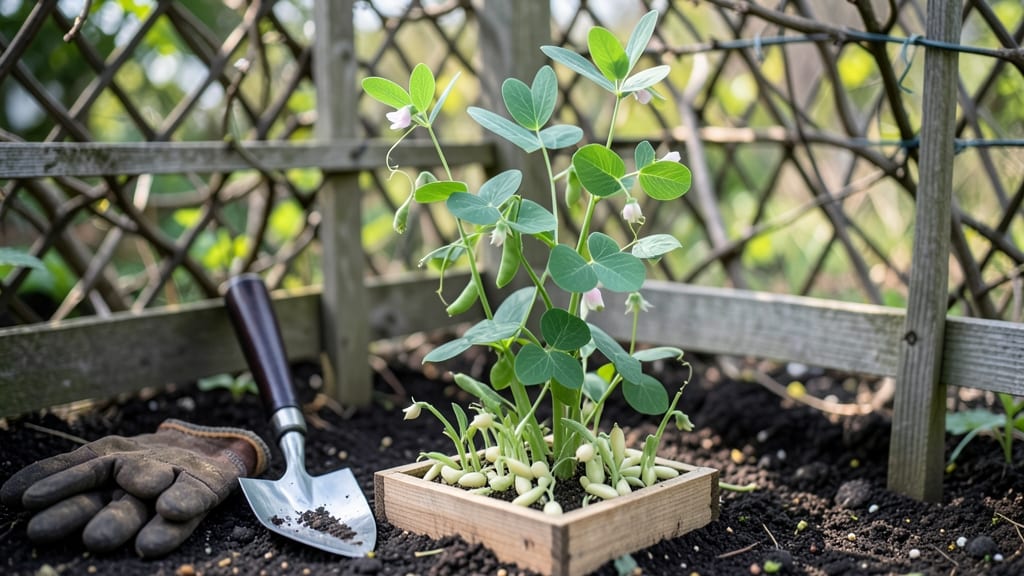
Timing your peas in Zone 7a could mean the difference between a garden full of sweet, tender pods and one full of bitter, bolted plants.
Unlike heat-loving veggies, peas thrive in cool weather, but getting them in the ground too early or too late can ruin your harvest before it even starts.
If you've ever planted peas only to watch them struggle through warm spring soil or fade away before fall frost, you're not alone. The key is knowing exactly when to sow for maximum success—and it's not just about the calendar.
Soil temperature, frost dates, and even your local microclimate play a role in getting those 🌱 seeds off to the right start.
In this guide, I'll break down the best planting windows for Zone 7a—both early spring and late fall—so you can time your peas perfectly. We'll also cover soil prep, variety selection, and pro tips to ensure your peas grow strong, productive, and full of flavor.
Let's get those seeds in the ground at the right moment!
Whether you're a first-time gardener or a seasoned green thumb, these insights will help you avoid common mistakes and enjoy a harvest that's the best your Zone 7a garden has ever seen. Ready to plant with confidence?
Best planting windows for peas in Zone 7a: early spring and fall options
Peas are one of the first cool-season crops you can plant in Zone 7a, but timing is critical to avoid heat stress or premature bolting. The best windows are early spring (February–March) and late fall (September–October), aligning with soil temperatures between 40°F–75°F for optimal germination and growth.
In Zone 7a, your last frost date typically falls around March 15, while the first frost arrives near November 15.
Planting peas 4–8 weeks before the last frost ensures they mature before summer heat sets in, while fall plantings should go in 6–8 weeks before the first frost to harvest before cold snaps.
Here’s a quick reference for the ideal planting windows and what to expect in Zone 7a:
| Planting Window | Soil Temp | Frost Alignment | Harvest Time |
|---|---|---|---|
| Early Spring (Feb–Mar) | 40°F–55°F | 4–8 weeks before last frost | May–June |
| Late Fall (Sep–Oct) | 50°F–75°F | 6–8 weeks before first frost | November–December |
For spring plantings, aim to sow seeds in February if your soil is workable, or wait until early March for warmer, drier conditions. Use a row cover if nighttime temperatures dip below 32°F to protect tender seedlings.
In Zone 7a, this early start gives peas enough time to mature before summer’s 80°F+ temperatures, which cause them to bolt prematurely.
Fall plantings in September are ideal for snap peas and snow peas, as they thrive in cooler weather. Choose cold-hardy varieties like Lincoln or Wando, which tolerate light frosts.
Plant seeds 1 inch deep and 2 inches apart in rows spaced 18 inches apart to allow vines room to climb trellises or stakes.
If you miss the fall window, you can try a winter planting in November for a late harvest, but success depends on mild winters. Cover rows with straw mulch (4–6 inches) to insulate roots and prevent heaving.
In Zone 7a, peas planted too late in fall may not mature before winter’s chill, so prioritize September–October for best results.
Succession planting every 2 weeks in spring and fall extends your harvest by staggering maturity dates. For example, sow a second batch in late March for a June harvest, then follow with a September planting for a November–December crop.
This technique maximizes your garden’s productivity and reduces waste from overripe pods.
Always test your soil’s pH (6.0–7.0) before planting, as peas prefer slightly acidic to neutral conditions. Amend with compost or aged manure to improve fertility, and avoid fresh manure, which can burn delicate roots. A high-phosphorus fertilizer (5-10-10) at planting encourages strong root and vine development.
Remember, peas are self-pollinating and fix nitrogen in the soil, so they’re a great rotational crop after heavy feeders like tomatoes or corn. By following these Zone 7a-specific windows, you’ll enjoy tender, sweet peas straight from your garden for months.
Best planting windows for peas in Zone 7a: early spring and fall options
In Zone 7a, where winters are mild but summers can be hot, timing your pea planting correctly is key to avoiding bolting or stunted growth.
Peas thrive in cool temperatures (40°F–75°F), making early spring and late fall the ideal windows. Miss these, and you risk bitter pods or poor yields.
For spring peas, aim to sow seeds 4–8 weeks before your last frost date—typically between mid-February and early March in Zone 7a. Soil should be 40°F–50°F and workable. If you plant too late, rising temperatures will trigger early flowering and bolting, reducing pod quality.
Fall planting offers a second chance for harvests. Sow seeds 6–8 weeks before your first frost, usually late September to early October. This ensures peas mature before winter sets in. Fall peas also benefit from cooler temps, avoiding the heat stress that summer planting would cause.
🌱 Zone 7a Pea Planting Timeline
| Season | Planting Window | Soil Temp | Key Notes |
|---|---|---|---|
| Early Spring | Mid-February to Early March | 40°F–50°F | Plant 4–8 weeks before last frost; avoid late planting. |
| Late Fall | Late September to Early October | 50°F–60°F | Sow 6–8 weeks before first frost; harvest before winter chill. |
Pro tip: Use a soil thermometer to confirm temps before planting. If soil is below 40°F, wait a week or two—cold soil slows germination. For succession planting, sow new seeds every 2–3 weeks in spring to extend your harvest window.
Peas also appreciate partial shade in summer, so if you’re tempted to plant in late spring, choose a spot with afternoon shade to prevent heat stress. Just remember: summer planting is risky in Zone 7a unless you’re using shade-tolerant varieties.
By aligning your planting with these windows, you’ll enjoy sweet, tender peas twice a year—once in spring and again in fall—without the frustration of bolting or poor yields. Happy planting! 🌱