
How To
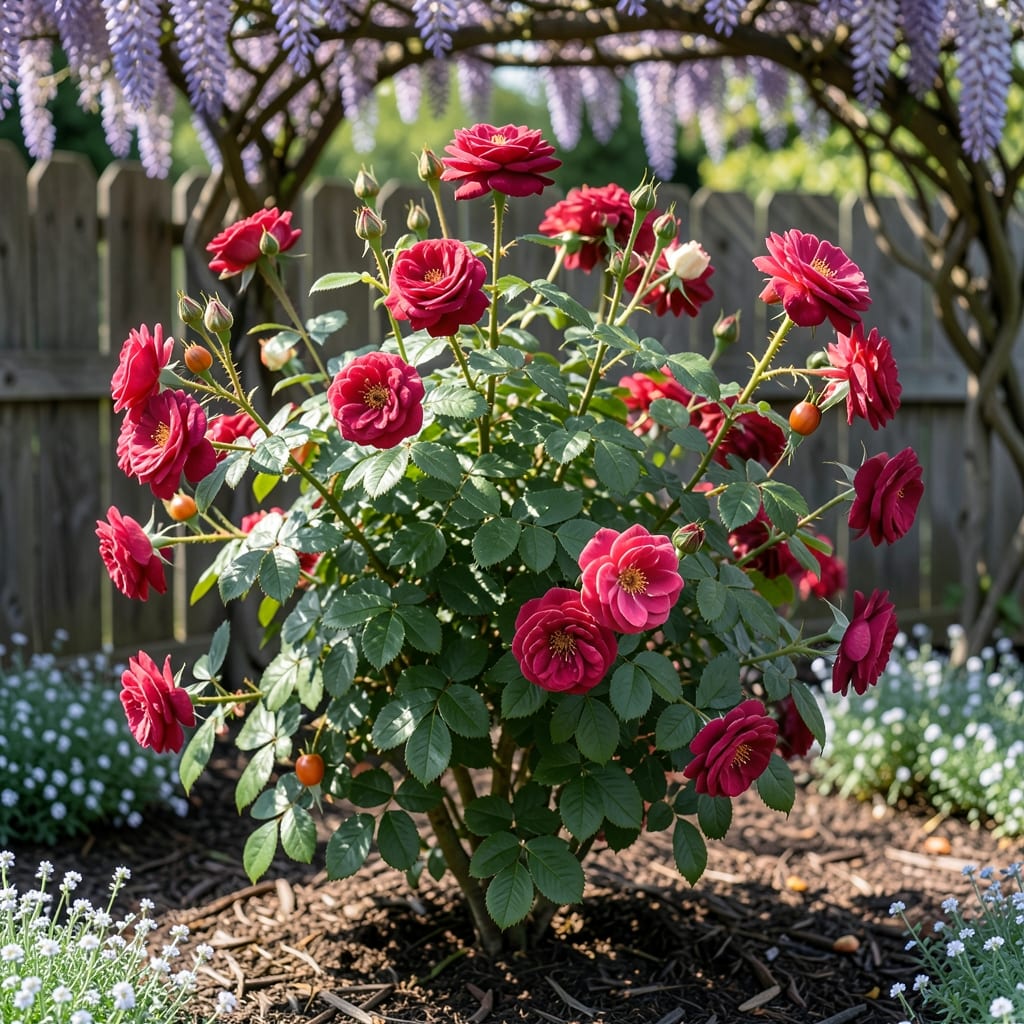
Ever wondered just how tall that dreamy 🌹 rose bush in your garden could grow? The answer might surprise you—some varieties stretch skyward like 15-foot giants, while others stay compact enough for window boxes. But here's the catch: your choice isn't just about space. It's about sunlight, pruning habits, and even your local climate.
If you've ever struggled to keep a rose bush under control—or wished it could reach new heights—this is where the real magic happens. We're talking about the game-changer of selecting the right variety for your goals, whether that's a dramatic vertical display or a neatly contained garden feature. Let's break down exactly what influences your rose bush's height and how you can shape its growth to match your vision.
The key to managing height starts with understanding your rose's potential. Some varieties naturally stay under 3 feet, perfect for small yards or containers, while others can climb trellises or fences to 10 feet or more. But don't worry—even the tallest roses can be trained to fit your space with the right techniques. I'll show you how to make this work for your garden, no matter its size.
Ready to transform your gardening approach? You'll discover which rose types suit your space best, how to prune for optimal height, and why some gardeners swear by specific training methods. Let's get your 🌹 rose bush growing exactly how you want it—tall, short, or somewhere in between.


Rose bush height variations: from dwarf to climbing giants
When choosing a rose bush, one of the first questions I ask myself is: how tall can this rose bush grow? The answer isn’t one-size-fits-all—it depends entirely on the variety. Some roses stay as small as a window box (1-2 feet), while others climb like vines up a 15-foot trellis. Understanding these height variations helps me pick the perfect rose for my space, whether it's a cozy patio or a sprawling backyard.
Rose bushes generally fall into four height categories: dwarf, shrub, climbing, and standard. Each category has distinct growth habits and care needs. For example, a 'Flower Carpet' rose stays under 2 feet tall, making it ideal for container gardening, while a 'New Dawn' climber can reach 12-15 feet when trained on a sturdy support. The key to managing their height lies in pruning and training techniques, which I’ll cover in detail later.
Here’s a quick look at how these categories break down in terms of mature height and typical growth patterns. This table will help you visualize which roses fit your garden’s layout and aesthetic goals.
| Rose Type | Height Range (ft) | Growth Habit | Best For |
|---|---|---|---|
| Dwarf | 1-3 ft | Compact, bushy | Containers, window boxes, small gardens |
| Shrub | 3-5 ft | Bushy, upright | Borders, hedges, mid-sized gardens |
| Standard | 5-10 ft | Tall, single-stemmed | Focal points, large gardens, pathways |
| Climbing | 10-15+ ft | Vining, needs support | Arbors, trellises, fences, pergolas |
One common misconception is that all roses grow tall if left unchecked. In reality, pruning plays a huge role in shaping their height. For instance, a climbing rose like 'Blaze' can easily exceed 20 feet without proper training, but with regular pruning, I can keep it at a manageable 8-10 feet. Similarly, a shrub rose like 'Knock Out' naturally stays between 3-5 feet, but aggressive pruning can reduce it to just 2 feet for a low-maintenance hedge.
Another factor influencing height is the rootstock used during propagation. Roses grafted onto dwarfing rootstock, like 'Dr. Huey', stay shorter because their roots grow more slowly. Meanwhile, roses on standard rootstock (like 'Manettii') can grow much taller. This is why it’s essential to check the rootstock type when purchasing roses, especially if you’re working with limited space.
Climate also affects how tall a rose bush can grow. In warmer climates (Zones 8-10), roses often grow faster and taller due to longer growing seasons. For example, a 'Iceberg' rose might reach 6 feet in Florida but only 4 feet in cooler climates (Zones 4-6). If you’re in a shorter-season area, consider choosing hardier, compact varieties like 'The Fairy' or 'Bonica' to avoid disappointment.
Let’s talk about training techniques for a moment. Climbing roses, in particular, need guidance to reach their full potential without becoming unruly. I’ve found that using a strong trellis or arbor and tying the canes gently with soft plant ties encourages upward growth while preventing damage. For standard roses, staking the main stem early ensures it grows straight and strong, supporting those heavy blooms later in the season.
If you’re dealing with overgrown roses, don’t panic! Even the tallest roses can be tamed with the right approach. I’ve successfully pruned a 12-foot 'New Dawn' down to 6 feet in just one season by cutting back one-third of the oldest canes each year. The key is to prune in stages to avoid shocking the plant and to always use sterilized tools to prevent disease.
For gardeners with small spaces, ultra-dwarf roses like 'Fairy Tale' or 'Mini Flirt' are game-changers. These varieties top out at just 1-2 feet and thrive in containers or hanging baskets. They’re perfect for balconies, patios, or even as window box plants. Plus, their smaller size means less pruning and easier maintenance—ideal for busy gardeners!
No matter which rose you
Rose bush height variations: from dwarf to climbing giants
When I first started gardening, I assumed all rose bushes looked the same—tall, thorny, and sprawling. But after years of growing them, I’ve learned that rose bushes come in stunning varieties, each with its own height potential. Some stay small enough for window boxes, while others climb like vines on a trellis. The key? Understanding the four main height categories of roses and how they grow over time.
Dwarf roses, like the popular 'Flower Carpet' series, typically max out at 1-2 feet tall, making them perfect for containers or edging garden beds. These little powerhouses produce non-stop blooms without taking up much space. On the opposite end of the spectrum, climbing roses like 'New Dawn' can reach 12-15 feet when trained properly, turning fences and arbors into living works of art.
🌹 Rose Bush Height Guide
| Type | Height Range | Best For |
|---|---|---|
| Dwarf | 1-3 ft | Containers, window boxes |
| Semi-Dwarf | 3-5 ft | Borders, small gardens |
| Standard | 5-10 ft | Backyard focal points |
| Climbing | 10-15+ ft | Trellises, fences, walls |
One common misconception is that all roses grow into tall, unmanageable shrubs. In reality, many varieties stay compact if you prune them regularly. For example, the 'Bonica' rose is a semi-dwarf that typically grows 3-4 feet tall but can reach 5 feet if left unpruned. The same goes for climbing roses—they won’t climb without proper training and support.
Climate also plays a huge role in height. Roses in warmer USDA zones (7-10) often grow faster and taller than those in cooler zones (3-6). For instance, a 'Blaze' rose might only reach 4 feet in Zone 5 but could hit 6 feet in Zone 8. Always check your zone and variety’s growth habits before planting.
If you’re working with limited space, consider bush roses like 'Knock Out', which stay 3-4 feet tall and bloom continuously with minimal care. These are my go-to for small yards or urban gardens where space is at a premium. Meanwhile, if you love the idea of a romantic trellis, a 'Zephirine Drouhin' climbing rose will reward you with 15-foot vines covered in blush-pink blooms.
Remember, the height of your rose bush isn’t set in stone—it’s shaped by your care. With the right pruning techniques and training methods, you can guide even the tallest climbers to fit your space perfectly. And if you’re unsure where to start, begin with a dwarf or semi-dwarf variety to build your confidence before tackling the giants.