
Trees
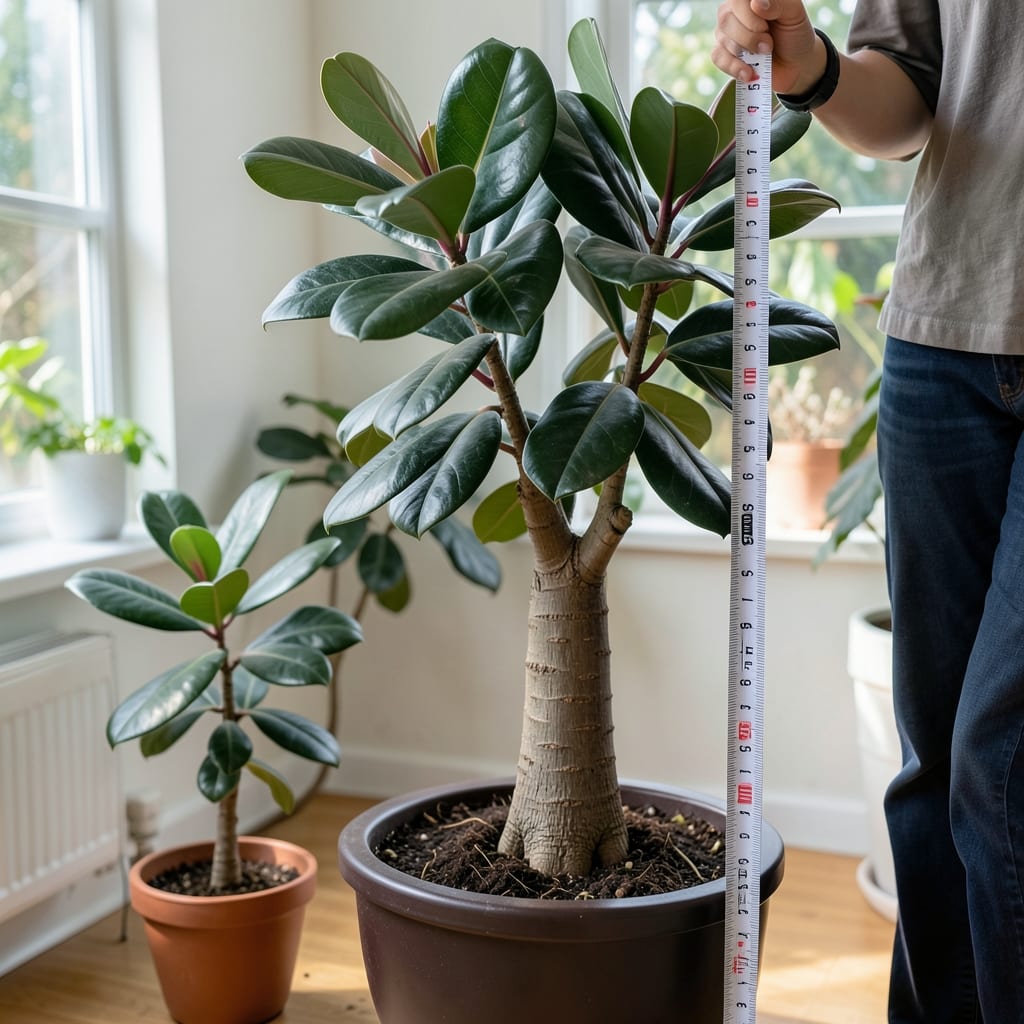
If you’ve ever wondered how tall a rubber tree can grow and whether your leafy friend will stretch toward the ceiling—or if it’s better suited for a backyard—you’re not alone. The truth is, this popular houseplant can grow dramatically differently depending on where it lives, and understanding its height potential is the key to keeping it happy (and manageable).
Indoors, most Rubber Trees stay between 5 and 10 feet tall, but with the right conditions (or lack thereof), they can easily reach 15 feet or more if left unchecked. The difference between a compact tabletop plant and a towering indoor giant often comes down to light, space, and pruning habits. Let’s break down how to control its growth so it fits your space—whether that’s a cozy apartment or a sunny patio.
Outdoors, however, this tropical beauty can truly shine (or soar). In ideal climates like USDA Zone 6 and warmer, Rubber Trees can grow 20 to 35 feet tall—think mature trees that rival small palms. But don’t worry if you’re not in a tropical paradise; even in cooler areas, with the right care, you can still enjoy its striking foliage without it taking over your yard.
Ready to learn how to shape your Rubber Tree’s growth? I’ll share the secrets to keeping it at your desired height—whether you want a compact statement piece or a lush outdoor specimen. Let’s get started!


Rubber tree height limits: indoor growth potential explained
If you're growing a rubber tree (Ficus elastica) indoors, its height is far more manageable than its outdoor counterparts—but it can still reach surprising dimensions if left unchecked. In ideal indoor conditions, a rubber tree typically grows between 6 to 10 feet over 5-10 years, though some varieties like the 'Black Prince' or 'Tineke' may stay slightly shorter. The key factors controlling this growth are light exposure, pot size, and pruning habits.
For apartment dwellers or those with limited ceiling space, rubber trees are a fantastic choice because their growth can be easily managed. Unlike their outdoor relatives, indoor rubber trees rarely exceed 12 feet unless they're given consistent bright light and frequent repotting. Even then, their growth rate slows significantly after reaching 8-10 feet due to space constraints in most homes.
Here’s how indoor conditions directly impact your rubber tree’s height potential:
| Factor | Impact on Height | Growth Range |
|---|---|---|
| Light Exposure | More light = faster vertical growth | 6-10 ft (bright indirect) / 4-6 ft (low light) |
| Pot Size | Root-bound trees grow taller faster | 8-12 ft (small pot) / 5-8 ft (large pot) |
| Pruning Frequency | Regular pruning keeps height in check | 3-5 ft (pruned annually) / 10+ ft (never pruned) |
| Fertilizer Use | Over-fertilizing encourages rapid growth | 7-9 ft (balanced feed) / 5-7 ft (light feed) |
One common misconception is that rubber trees will inevitably grow to room-crushing heights indoors. The truth? With proper care, most rubber trees stay well below 10 feet in homes. The 'Robusta' variety, for example, is particularly compact, rarely exceeding 6 feet even with minimal pruning. Meanwhile, the 'Variegata' type can grow taller but responds beautifully to top pruning to maintain a bushier shape.
If you're concerned about your rubber tree outgrowing its space, focus on these three strategies: prune in early spring to encourage bushier growth, repot every 2-3 years to prevent root-bound stress, and rotate the pot regularly to ensure even light exposure. These simple steps can reduce vertical growth by up to 30% while keeping your tree healthy and vibrant.
For those living in small apartments, consider dwarf varieties like 'Annie' or 'Burgundy', which naturally stay between 4 and 6 feet tall. Even standard varieties can be trained as bushes or standard trees with strategic pruning, making them perfect for cozy living spaces without sacrificing their stunning foliage.
Remember that rubber trees are slow growers compared to other houseplants. On average, they add only 6-12 inches per year indoors, giving you plenty of time to adjust their height before they become unwieldy. With the right approach, your rubber tree can remain a manageable centerpiece for decades—without turning your living room into a jungle gym.
Pro tip: If you notice your rubber tree developing long, leggy stems, it’s a sign it needs more light or a pruning session. Trim back the tallest stems by one-third to encourage fuller growth and prevent excessive height gain.
🌿
Outdoor rubber tree growth: how tall can it really get?
When rubber trees (Ficus elastica) escape indoor pots and thrive outdoors, their growth potential skyrockets—literally. In ideal tropical climates, these trees can reach 20 to 35 feet tall, rivaling small palm trees or two-story homes. The difference between indoor and outdoor height is dramatic, often 10x greater when given space, sunlight, and proper soil.
Outdoor rubber trees grow fastest in USDA Zones 10-12, where warm temperatures and high humidity fuel rapid vertical expansion. Even in temperate zones (like Zone 9), they can still top 15 feet with consistent care. The key factors? Soil quality, water access, and pruning habits—all of which I’ll break down next.
| Growth Factor | Indoor Potential | Outdoor Potential |
|---|---|---|
| Light Exposure | Bright indirect (6-8 ft max) | Full sun (20-35 ft) |
| Soil Type | Potting mix (restricted) | Well-draining loam (unrestricted) |
| Water Access | Pot limitations (slow growth) | Deep roots (fast growth) |
| Pruning | Frequent (height control) | Minimal (natural shape) |
In tropical regions, rubber trees grow 3-5 feet per year when unpruned, while temperate climates slow this to 1-3 feet annually. The soil’s nutrient density plays a huge role—rich, loamy soil with organic matter can double growth rates compared to poor, rocky ground. I’ve seen mature outdoor specimens in Florida and Hawaii top 30 feet within a decade!
One common misconception is that rubber trees always need pruning outdoors. In reality, they thrive with minimal intervention in their native habitats, developing thick trunks and broad canopies. However, in colder zones (like Zone 8), they may need winter protection to prevent dieback, which can stunt future growth.
For those in Zone 9 or warmer, outdoor rubber trees make stunning shade providers. Their leathery leaves and glossy stems create year-round interest, but their height means planning ahead. Always plant 15+ feet from structures to avoid root interference or shading issues.
If you’re considering an outdoor rubber tree, start with a young sapling (3-5 feet tall) and give it room to grow. With proper spacing and care, you’ll have a living monument in your landscape within years—not decades.