
Size
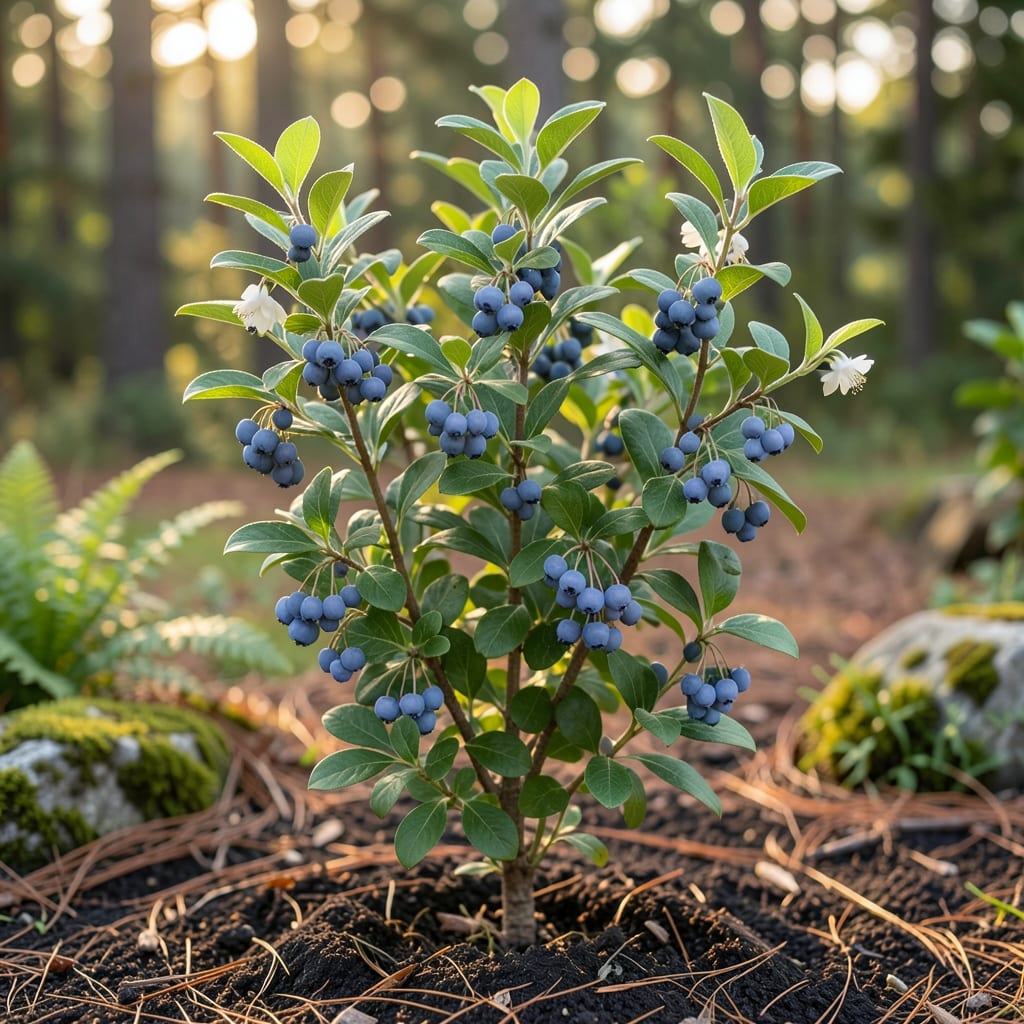
How tall can blueberry bushes grow? The answer can swing wildly—from a tidy 2-foot dwarf to a towering 12-foot giant—depending on the variety you choose. If you’ve ever pictured a 🫐-filled garden but worried about space, this is the key detail you need to plan right.
Imagine planting a bush that matures at 6 feet—perfect for a backyard corner—only to realize it’s blocking your patio in 3 years. Or picture a 3-foot compact variety snug in a container, making harvests a breeze. The right choice means better yields, easier maintenance, and a layout that actually works for your garden.
We’ll break down the top varieties by size, from the low-growing ‘Top Hat’ to the sprawling ‘Duke,’ so you can match your space and goals. Whether you’re a city gardener with limited room or a rural homesteader with acres to fill, knowing these heights helps you avoid costly mistakes.
Ready to pick the perfect blueberry bush for your plot? Let’s dive into how height affects everything—from pollination to pruning—so you can grow with confidence.


Blueberry bush height by variety: compact vs. tall mature sizes explained
Blueberry bushes come in a stunning range of mature heights, from dwarf varieties perfect for containers to tall standard types that resemble small trees. The height you’ll end up with depends entirely on the variety you choose—some stay under 3 feet while others reach 10+ feet. Understanding these differences helps you plan your garden layout, choose the right pollination partners, and even simplify harvesting.
For example, if you’re working with limited space—like a balcony garden or small backyard—you’ll want to focus on dwarf varieties that max out around 3–4 feet. On the other hand, if you have ample room and want a high-yielding bush, standard varieties can grow up to 12 feet tall, providing shade and a dramatic focal point in your landscape.
Here’s a quick look at how blueberry bush heights break down by category:
| Variety Type | Mature Height | Best For | Example Varieties |
|---|---|---|---|
| Dwarf | 2–4 ft | Containers, small gardens, urban yards | Top Hat, Sunshine Blue, Pink Lemonade |
| Semi-Dwarf | 4–6 ft | Backyard gardens, pollinator-friendly borders | Patriot, Bluecrop, Jersey |
| Standard | 6–12 ft | Large landscapes, shade trees, high-yield orchards | Duke, Tifblue, Climax |
| RabbitEye (Southern) | 8–12 ft | Warm climates, large properties | Brightwell, Centennial |
Notice how rabbit-eye varieties, popular in the southeastern U.S., tend to be among the tallest, often reaching 10+ feet. These are ideal for large rural properties where space isn’t an issue. Meanwhile, northern highbush varieties like Bluecrop or Patriot typically stay in the 4–6 foot range, making them perfect for suburban gardens.
If you’re planting multiple bushes for cross-pollination, consider mixing heights to create visual interest while ensuring bees can easily navigate between flowers. For instance, pairing a 3-foot dwarf like Top Hat with a 6-foot semi-dwarf like Bluecrop adds dimension to your garden bed.
Another key factor is how quickly these bushes grow. In their first year, most blueberries will only reach 1–2 feet tall. By year two, they’ll shoot up to 3–5 feet, and by year three, they’ll start filling out their mature height. This gradual growth makes it easier to plan your garden layout over time, but it also means you’ll need to be patient if you’re waiting for that 10-foot giant to provide shade!
For container gardening, stick to dwarf varieties like Sunshine Blue, which stays under 3 feet even when mature. These work beautifully in large pots with well-draining soil and acid-loving fertilizer. Just
If you’re unsure which variety to pick, start with a semi-dwarf like Patriot. It’s tall enough to produce a good yield but still manageable in most backyard spaces. And if you love the idea of a tall blueberry tree, consider training a standard variety like Duke with a central leader system to encourage a single trunk.
🌱
How blueberry bush height affects pollination, harvesting, and garden placement
Blueberry bush height isn’t just about aesthetics—it directly impacts pollination success, harvesting ease, and even how you arrange your garden. Taller varieties like Duke (up to 12 feet) create wind tunnels that help bees navigate between flowers, while dwarf varieties (like Top Hat) force bees to work harder, sometimes requiring manual pollination with a small paintbrush if you’re growing them indoors or in containers.
For harvesting, height makes a big difference. A 3-foot dwarf is perfect for picking berries without bending over, while a 10-foot standard might need a sturdy ladder or pruning to keep branches within reach. I once grew a Climax variety that reached 11 feet, and I quickly learned to prune lower branches to simplify picking—otherwise, my back paid the price!
Here’s how height influences key gardening factors:
- Pollination: Taller bushes (6+ ft) improve bee access; dwarfs may need hand-pollination.
- Harvesting: Prune lower branches on tall varieties to avoid ladder use; dwarfs are ideal for easy picking.
- Spacing: Standard bushes need 8–10 feet between plants; dwarfs thrive 3–4 feet apart.
- Sunlight: Taller varieties cast shade; plant shorter types nearby for balanced light exposure.
- Pruning: Annual pruning controls height; remove 1/3 of oldest canes to encourage new growth.
When planning your garden layout, consider airflow too. Dense clusters of tall bushes can trap moisture, increasing the risk of fungal diseases like botrytis. Space standard varieties 8–10 feet apart to allow airflow, while dwarf bushes can be planted 3–4 feet apart. I once lost a Bluecrop bush to powdery mildew because I crowded it too closely with other plants—now I always leave room for circulation!
For container gardening, height becomes even more critical. Dwarf varieties like Sunshine Blue stay under 3 feet, making them ideal for large pots, but standard varieties will quickly outgrow their containers. If you’re determined to grow a taller type in a pot, choose a 50-gallon container with at least 2 feet of depth and prune aggressively to control height.
Finally, think about garden placement. Taller blueberry bushes make stunning privacy screens or windbreaks, while dwarf varieties work beautifully in frontyard borders or raised beds. Pair a 6-foot Patriot with a 3-foot Top Hat to create a layered, pollinator-friendly hedge that’s both functional and beautiful.
🌿