
Flowers
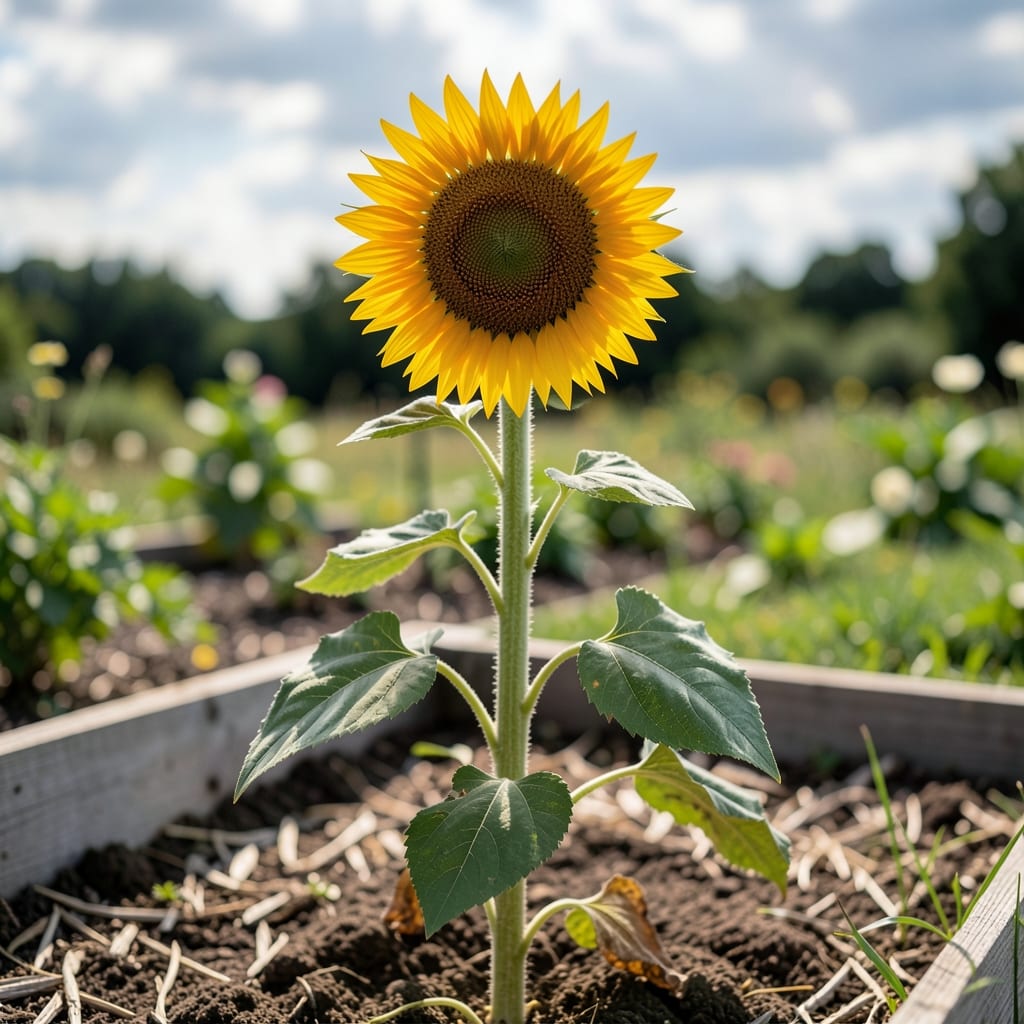
Ever wondered just how tall that cheerful 🌻 sunflower in your garden can grow up to if you gave it the perfect conditions? The answer might surprise you—some varieties stretch toward the sky like skyscrapers, while others stay compact enough for small spaces.
Sunflowers aren’t one-size-fits-all; their height depends on the variety you choose, from dwarf types that top out at just 2-3 feet to giant cultivars that can reach 12-16 feet or more. Even the world record holder—a massive 30-foot sunflower—proves these plants have serious growing potential when given the right care.
But it’s not just about genetics. Sunlight, soil quality, and even your watering habits play a huge role in determining how tall your sunflowers will grow. Whether you’re dreaming of a privacy screen or a container-friendly plant, understanding these factors can help you pick the perfect variety for your space.
Ready to learn which sunflower types suit your garden best? I’ll break down the height ranges, share tips for maximizing growth, and even suggest the best varieties for small yards or towering displays. Let’s get growing!


Sunflower height ranges: from dwarf varieties to record-breaking giants
Sunflowers (Helianthus annuus) are nature's skyscrapers, with heights ranging from 2-foot dwarfs to 16-foot giants. The variety you choose determines their mature size, but growing conditions can push them even further. Whether you're dreaming of a privacy screen or a container-friendly accent, understanding these height categories will help you pick the perfect sunflower for your space.
Most gardeners focus on three main height categories: dwarf (1–3 ft), standard (5–9 ft), and giant (10–14+ ft). However, with the right conditions, some varieties can even surpass 20 feet—though this is rare in home gardens. The world record for the tallest sunflower stands at a staggering 30 feet, grown experimentally in Germany using specialized techniques.
Genetics play the biggest role in determining height, but factors like soil fertility, sunlight exposure, and water availability can influence how close your plants grow to their potential. For example, a 5-foot dwarf might stretch to 6 or 7 feet if given ideal growing conditions, while a 12-foot giant could top out at 14 or 15 feet under optimal care.
Here’s a quick breakdown of sunflower height ranges with popular varieties in each category:
| Height Category | Mature Height Range | Popular Varieties | Best For |
|---|---|---|---|
| Dwarf | 1–3 ft | 'Teddy Bear,' 'Moulin Rouge,' 'Sunspot' | Containers, small gardens, pollinators |
| Semi-Dwarf | 3–5 ft | 'Autumn Beauty,' 'ProCut,' 'Sunrich' | Cut flowers, bouquets, small borders |
| Standard | 5–9 ft | 'Russian Giant,' 'Mammoth,' 'Sunflower 'Russian Giant' | Privacy screens, cut flowers, birdseed |
| Giant | 10–14+ ft | 'Russian Mammoth,' 'American Giant,' 'Colossus' | Statement plants, large gardens, bird feeders |
| Experimental | 15–30+ ft | Hybrid research varieties (e.g., German record-breaker) | Specialized growing projects |
If you're growing sunflowers for birdseed or cut flowers, taller varieties like 'Russian Giant' (up to 12 feet) are excellent choices. For small spaces or container gardening, dwarf varieties like 'Teddy Bear' (just 2 feet tall) are perfect. They also bloom earlier, giving you flowers in as little as 60 days from planting.
One surprising fact about sunflower height is that stem strength isn’t always proportional to height. Taller varieties often have thinner stems that require staking or support to prevent toppling, especially in windy conditions. For example, a 14-foot 'Colossus' might need a bamboo stake or trellis to stay upright, while a 3-foot dwarf can stand proudly without support.
For gardeners in USDA Zones 3–9, sunflowers thrive in most climates, but cooler zones (like Zone 3) may see slightly shorter plants due to shorter growing seasons. In warmer zones (like Zone 9), sunflowers can grow taller and more vigorously, sometimes reaching their maximum genetic potential if given enough space and nutrients.
If you're aiming for record-breaking heights, focus on these key strategies: plant seeds in well-draining, nutrient-rich soil, ensure full sun exposure (at least 8 hours daily), and water deeply 2–3 times per week during the growing season. Avoid over-fertilizing with nitrogen, as this can promote leafy growth over height.
Pro tip: To encourage taller growth, pinch off the top buds when plants are young. This redirects energy from flowering to stem elongation, which can add 1–2 feet to the final height of taller varieties. Just
Sunflower height ranges: from dwarf varieties to record-breaking giants
Sunflowers come in a stunning range of heights, from compact dwarfs that fit perfectly in window boxes to sky-scraping giants that can tower over your house. The variety you choose determines whether your sunflowers will stay at a manageable 2-3 feet or shoot up to 12-16 feet or more—with some experimental hybrids even reaching 30 feet under ideal conditions!
The height potential of sunflowers is primarily determined by their genetics, but growing conditions play a huge role too. For example, dwarf varieties like 'Teddy Bear' stay under 3 feet, making them ideal for containers or small gardens, while standard types like 'Mammoth' can reach 10-14 feet when given proper care. Then there are the giant cultivars like 'Russian Giant' that push the limits of sunflower growth.
Here’s a quick look at how sunflower heights break down by category, along with some of the most popular varieties in each group:
| Height Category | Mature Height Range | Popular Varieties | Best For |
|---|---|---|---|
| Dwarf | 1–3 feet | 'Teddy Bear', 'Pocket Sun', 'Moulin Rouge' | Containers, small gardens, cut flowers |
| Semi-Dwarf | 4–6 feet | 'Sunspot', 'Autumn Beauty', 'Lemon Queen' | Cutting gardens, borders, pollinators |
| Standard | 8–12 feet | 'Mammoth', 'Autumn Beauty', 'Procut' | Privacy screens, cut flowers, seed production |
| Giant | 12–16+ feet | 'Russian Giant', 'Colossus', 'American Giant' | Spectacular displays, record-breaking attempts |
The world record for the tallest sunflower stands at an astonishing 30 feet, achieved by a hybrid cultivar grown in the Netherlands. While most gardeners won’t reach that height, varieties like 'Russian Giant' can still climb to 14-16 feet with optimal growing conditions—think rich soil, full sun, and consistent moisture. Even standard varieties like 'Mammoth' can surprise you with heights of 10-12 feet if given enough space and nutrients.
If you’re growing sunflowers for cut flowers or seed production, taller varieties often yield larger blooms and more seeds. However, if you’re limited by space, dwarf or semi-dwarf types are just as rewarding—they just won’t steal the show like their towering cousins! The key is matching the variety to your garden layout and growth goals.
Next, I’ll share the 5 key factors that influence how tall your sunflowers grow, so you can maximize their height potential—or keep them compact if needed. Whether you’re aiming for a privacy screen or a container-friendly plant, these tips will help you get the results you want!