
Trees
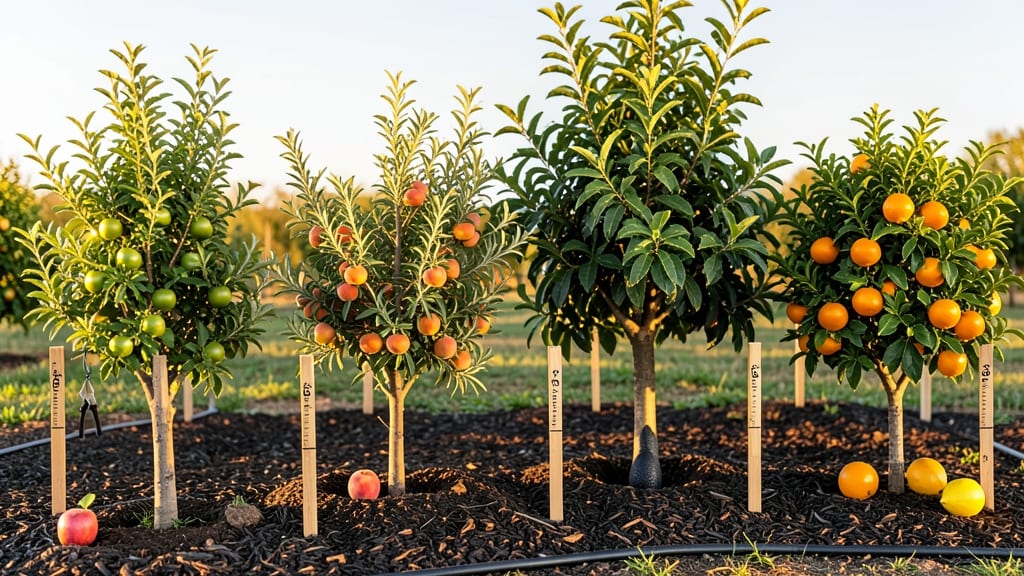
Ever wondered how tall your fruit tree could grow—whether it’ll stretch toward the sky like a skyscraper or stay cozy enough for your backyard? The answer depends on the variety, and the right choice could mean the difference between a towering giant and a space-saving patio plant.
Most fruit trees, like apples or peaches, can reach heights of 20 to 100 feet if left unchecked, but dwarf varieties—like those bred for small gardens—top out at just 8 to 12 feet. That’s the beauty of modern horticulture: you don’t need a sprawling orchard to enjoy fresh fruit.
If you’re working with limited space, the key is selecting the right tree for your needs.
Whether you’re dreaming of a 🍎 columnar apple tree** or a citrus variety that thrives in containers, we’ll break down the options and show you how to keep your tree manageable—no matter how ambitious your harvest goals.
Ready to grow fruit without sacrificing your yard? Let’s explore the best varieties and tips to keep your tree at the perfect height for your space.


Mature height ranges of popular fruit trees: from dwarf to standard
Choosing the right fruit tree for your space starts with understanding their mature height ranges. Most fruit trees fall into three categories: dwarf, semi-dwarf, and standard varieties, each offering different space requirements and care needs.
Dwarf trees, for example, typically reach 8-12 feet at maturity, making them ideal for small yards or containers.
If you're working with limited space, dwarf varieties are your best bet. These trees are grafted onto special rootstocks that restrict their growth while maintaining full fruit production.
For instance, a dwarf apple tree might only grow to 6-8 feet tall, while a standard variety could tower over 20 feet—taller than most two-story houses!
Semi-dwarf trees strike a balance, usually reaching 12-25 feet at maturity. They require more space than dwarfs but are still manageable in medium-sized yards. Standard trees, on the other hand, can grow 20-100 feet tall, making them suitable only for large properties or orchards.
Here’s a quick comparison of how these heights translate to real-world spaces: a 12-foot dwarf tree fits easily under a balcony, while a 25-foot semi-dwarf might need a small yard or garden bed.
Standard trees, like peach or cherry trees, often need at least 30 feet of clearance to thrive.
Below is a detailed breakdown of mature height ranges for popular fruit trees, including their ideal growing conditions and space requirements. This will help you visualize which varieties will work best in your garden layout.
| Fruit Tree | Dwarf Height | Semi-Dwarf Height | Standard Height | Space Needs |
|---|---|---|---|---|
| Apple | 6-8 ft | 12-16 ft | 20-30 ft | Patio to small yard |
| Citrus (Lemon, Orange) | 8-10 ft | 12-15 ft | 15-25 ft | Container to medium yard |
| Peach | 8-10 ft | 15-20 ft | 20-30 ft | Small to medium yard |
| Cherry | 10-12 ft | 15-20 ft | 30-40 ft | Medium to large yard |
| Fig | 6-8 ft | 10-12 ft | 15-20 ft | Patio to small yard |
When selecting a fruit tree, consider not just its mature height but also its spread. Some trees, like apple trees, can grow just as wide as they are tall, while others, like columnar varieties, grow narrow and upright—perfect for tight spaces.
For example, a columnar apple tree might only spread 3-4 feet while reaching 10-12 feet tall, making it ideal for small gardens.
Another factor to consider is the rootstock used for dwarf varieties. Rootstocks like M.9 or B.9 are commonly used for apples and produce compact trees, while Citrange rootstock is popular for citrus.
The right rootstock can influence not only the tree’s size but also its fruit quality and cold hardiness.
If you're unsure which variety to choose, start with a dwarf or semi-dwarf tree. They’re easier to manage, produce fruit sooner, and are less likely to outgrow your space. Plus, their smaller size makes them easier to prune and maintain, even for
Best space-saving fruit tree varieties for small gardens and containers
When space is limited, you don’t have to sacrifice your dream of homegrown fruit. Many fruit tree varieties are bred specifically to stay compact, making them perfect for small gardens, balconies, or even large containers.
These space-saving varieties often grow on dwarfing rootstocks, which restrict their height while still producing abundant fruit.
For example, a columnar apple tree might reach only 8-10 feet tall but produce just as many apples as a standard tree. Similarly, patio citrus trees like Meyer lemons or calamondins thrive in pots and rarely exceed 6 feet.
The key is choosing the right variety for your climate and container size.
Here are my top recommendations for fruit trees that won’t overwhelm your space, along with tips for keeping them happy in tight quarters:
When growing these compact trees in containers, choose pots at least 18-24 inches wide and deep with drainage holes. Use a high-quality potting mix with compost to ensure roots get the nutrients they need.
For container-grown trees, water every 5-7 days during dry spells, as pots dry out faster than ground soil.
Remember, even dwarf varieties need full sun (6+ hours daily) and regular pruning to maintain their shape. With the right care, you’ll enjoy fresh fruit without sacrificing your garden’s layout!