
Plants
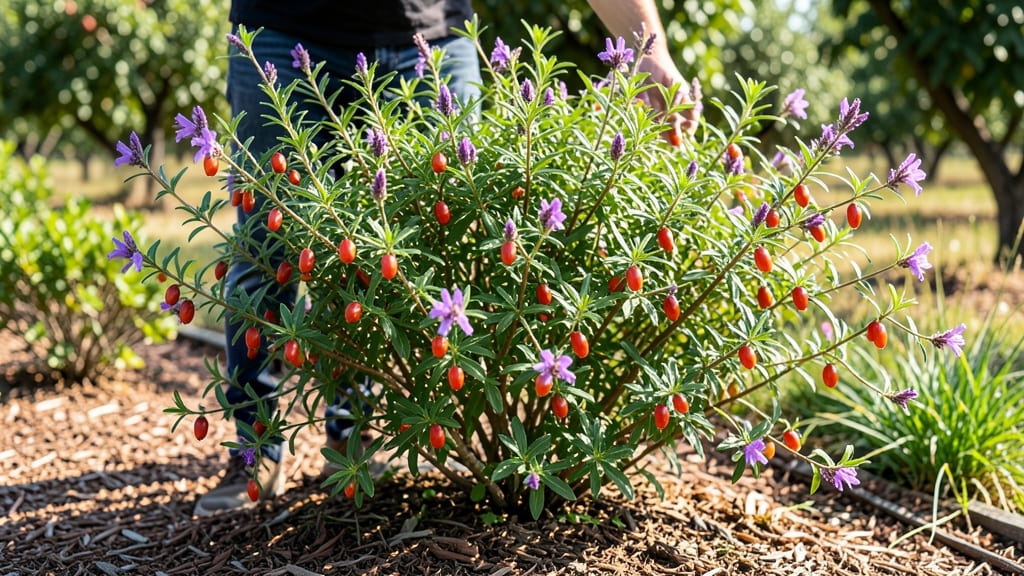
Curious about how tall goji berry plants grow before committing to planting? These vibrant 🍇 shrubs can surprise you—some sprawl like vines reaching 15 feet, while others stay neatly contained at 3 feet.
The difference often comes down to whether you're growing a climbing variety or a compact bush type, and understanding this upfront can save you space (and pruning headaches) later.
If you're working with limited space, you'll want to know that bush varieties typically top out around 3–6 feet, making them perfect for small gardens or containers.
Meanwhile, climbing types can stretch toward 10–20 feet if given a trellis or fence to climb—ideal if you're looking to add vertical interest to your yard.
The key is choosing the right variety for your layout, and I’ll break down how to manage their growth no matter which type you pick.
But here’s the thing: even standard goji berries don’t need to take over your garden. With the right pruning techniques—like trimming in late winter or training vines along a trellis—you can keep them at a height that works for you.
Whether you’re dreaming of a 6-foot bush or a 12-foot climbing wall of berries, the possibilities are flexible once you know the basics.
Ready to get started? I’ll walk you through everything from selecting dwarf varieties to training vines, so you can enjoy those sweet, nutrient-packed berries without the guesswork. Let’s make sure your goji berry plants grow exactly how you want them to!


Goji berry plant height by variety: climbing vs bush types compared
Goji berry plants (Lycium barbarum and Lycium chinense) come in two primary forms: climbing and bush varieties, each with dramatically different height potentials. If you're wondering how tall goji berry plants grow, the answer depends entirely on which type you choose.
Climbing varieties can reach 10–20 feet tall when trained on trellises or fences, while bush varieties typically max out at 3–6 feet as standalone shrubs.
Understanding these differences is critical for planning your garden layout. Climbing types need vertical support to thrive, while bush varieties can flourish in open spaces without additional structures. Let's break down the specifics to help you decide which fits your yard best.
Visual Comparison of Goji Berry Plant Heights:
| Variety Type | Mature Height Range | Growth Pattern | Space Needs | Pruning Needs |
|---|---|---|---|---|
| Climbing Types | 10–20 ft | Vining, sprawling | Vertical support required | Regular pruning for structure |
| Bush Types | 3–6 ft | Compact, rounded | Open ground space | Minimal pruning for shape |
Climbing goji berry plants are the tallest-growing varieties, often requiring trellises or fences to guide their vines upward. Without support, they can sprawl across the ground, reaching 15–20 feet in length.
These varieties are perfect for gardeners with vertical space, like pergolas or chain-link fences, where they can create a lush, fruiting canopy.
In contrast, bush varieties stay shorter and more compact, making them ideal for small gardens, containers, or hedgerows. Their rounded shape and manageable height (typically 3–5 feet) mean they require far less maintenance and can be placed almost anywhere in your landscape without overwhelming the space.
One key factor influencing height is pruning practices. Regular pruning can reduce the height of climbing varieties by up to 50%, while bush types can be kept even smaller with strategic trimming.
For example, if you prune climbing goji berries annually in late winter, you can limit their height to 8–10 feet instead of letting them reach their full 20-foot potential.
Climate also plays a role in height development. In warmer climates (USDA Zones 7–10), goji berries grow faster and taller due to longer growing seasons.
Meanwhile, in cooler regions (Zones 4–6), growth may be slower, with mature heights on the shorter end of the spectrum (e.g., 6–8 feet for climbing types).
If you're working with limited space, consider the 'Nanking' variety, a bush-type goji berry that rarely exceeds 4–5 feet in height. This makes it perfect for containers or small backyard plots.
Even climbing types can be trained to stay shorter by using low trellises or espalier techniques, which encourage horizontal growth instead of vertical.
For visualizing scale, imagine a climbing goji berry plant reaching the height of a two-story house roof when fully grown, while a bush variety would only reach the height of a mailbox or small shrub.
This stark contrast highlights why choosing the right variety is essential for your garden's layout and aesthetic.
🌿
Goji berry plant height by variety: climbing vs bush types compared
If you’re planning to grow goji berries, knowing their mature height is key to choosing the right spot. Climbing varieties like Lycium chinense can reach 10–20 feet tall, while bush types like Lycium barbarum typically stay between 3–6 feet.
These differences impact everything from trellis needs to pruning strategies.
Climbing goji berries grow like vines, clinging to supports with small tendrils. They thrive on trellises, fences, or arbors, making them perfect for vertical gardening.
Bush varieties, however, grow as multi-stemmed shrubs, ideal for standalone planting or hedges. Your yard’s space and design will dictate which type suits you best.
| Variety | Height Range | Growth Habit | Space Needs |
|---|---|---|---|
| Climbing (Lycium chinense) | 10–20 ft | Vining, needs support | Vertical (trellis/fence) |
| Bush (Lycium barbarum) | 3–6 ft | Multi-stemmed shrub | 3–5 ft radius |
Climate plays a role in height too. In warmer zones (USDA 7+), goji berries grow faster and taller, while cooler climates may limit growth to 50–70% of their potential height. If you’re in a small space, opt for bush varieties—they’re easier to manage without sacrificing fruit production.
Pruning is your best tool to control height. For climbing types, annual winter pruning keeps them under 8 feet. Bush varieties benefit from light summer trimming to encourage bushiness. Without pruning, climbing goji berries can become unruly, while bush types may grow leggy.
Pro tip: If you love the idea of goji berries but lack space, consider dwarf varieties like 'Nanking' or 'Himalayan Blue,' which stay under 5 feet. These are perfect for containers or small yards while still yielding sweet, nutrient-rich berries.
🌱