
Plants
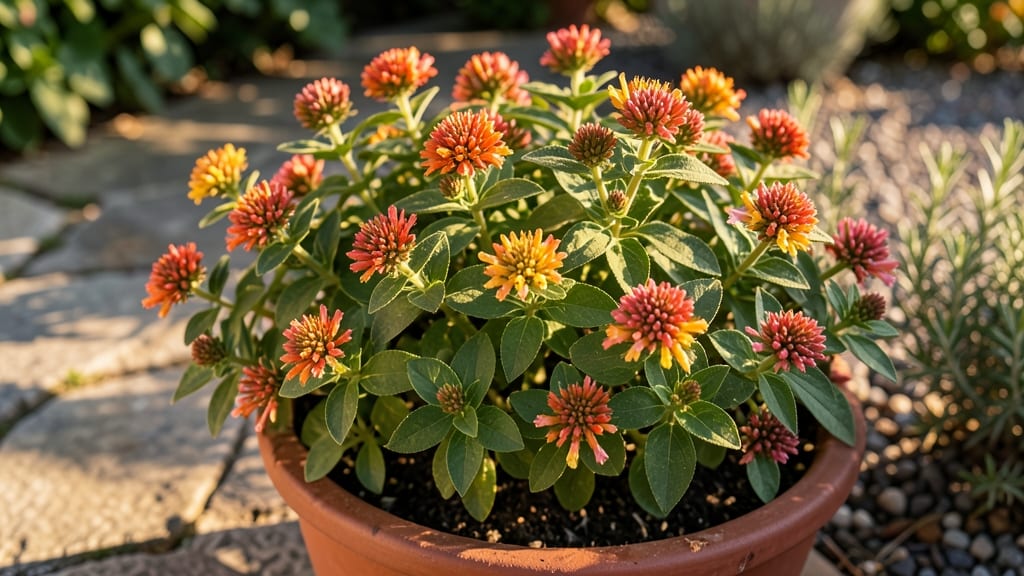
Wondering how tall do lantana plants grow before they become the star of your garden? These sun-loving shrubs 🌸 can surprise you—some stay compact enough for containers, while others reach heights that make them the centerpiece of your landscape.
If you're planning your garden layout or dreaming of a butterfly-friendly oasis, understanding lantana's growth range is key. From waist-high varieties perfect for borders to towering types that create dramatic backdrops, the right choice depends on your space and goals.
What you'll discover here is how to match lantana varieties to your garden size, plus practical tips for controlling growth through pruning and placement. Whether you're working with limited patio space or a sprawling yard, we've got the insights to help you grow lantana that thrives and attracts wildlife.
The best part? Lantana's height isn't just about aesthetics—it directly impacts how many pollinators your garden will host. Let's explore how to get the perfect balance between beauty and buzzing activity in your outdoor space.


Lantana height by variety: compact to towering wildlife magnets
Lantana plants are famous for their bright, clustered flowers and wildlife-attracting qualities, but their mature height can vary dramatically depending on the variety. Some stay small enough for patio containers, while others grow into shrub-like giants that dominate borders.
Understanding these differences helps you choose the perfect lantana for your space—whether you want a butterfly-friendly hedge or a sprawling ground cover.
Most lantana varieties fall into three height categories: dwarf (under 12 inches), mid-size (2-3 feet), and tall (4-6 feet). The species and growing conditions play a huge role in how tall your lantana will grow.
For example, Lantana camara (the most common type) typically reaches 3-5 feet in ideal conditions, while Lantana montevidensis (also called "trailing lantana") stays lower and spreads wider. Let’s break down the specifics so you can plan your garden like a pro.
🌿
| Variety | Mature Height | Growth Habit | Best For |
|---|---|---|---|
| 'Bandana Series' | 12-18 inches | Compact, bushy | Containers, borders, small gardens |
| 'Lemon Swirl' | 18-24 inches | Semi-dwarf, spreading | Butterfly gardens, hanging baskets |
| 'New Gold' | 2-3 feet | Bushy, upright | Foundation plants, mixed borders |
| 'Sugar Bush' | 3-4 feet | Tall, sprawling | Privacy screens, wildflower meadows |
| 'Lantana montevidensis' | 1-2 feet (spreading) | Trailing, ground cover | Slopes, rocky areas, erosion control |
The 'Bandana Series' is a favorite for small gardens because it tops out at just 12-18 inches, making it perfect for window boxes or balcony planters. These varieties are bred to stay compact while still producing abundant blooms that attract butterflies and bees.
If you’re working with limited space, this is the way to go—just be prepared for aggressive spreading if not contained.
For mid-size gardens, varieties like 'New Gold' or 'Lemon Swirl' strike the perfect balance. They reach 2-3 feet tall and create a lush, bushy appearance that’s ideal for mixed borders or pollinator-friendly hedges.
These types also handle pruning well, so you can shape them to fit your design. Just give them plenty of sunlight and well-draining soil to encourage their best growth.
If you’re going for a bold, statement-making plant, taller varieties like 'Sugar Bush' or standard Lantana camara will reach 3-5 feet or even taller in warm climates.
These are the workhorses of the lantana world, thriving in full sun and drought conditions while providing non-stop blooms from spring through fall. They’re perfect for background planting or creating a wildlife corridor in your yard.
One thing to watch out for is how lantana spreads. Even dwarf varieties can send out long runners if left unchecked, so always prune regularly and consider container growing if you’re worried about it taking over.
In warmer climates (like USDA Zones 8-11), lantana can grow even taller and more vigorously, so plan accordingly if you’re in a hot, sunny region.
🌺
When choosing lantana for your garden, think about both height and purpose. Do you want a low hedge for your patio, a mid-height border for your flower beds, or a tall backdrop for your pollinator garden?
Each variety has its own strengths, so pick the one that fits your vision—and don’t forget to plant it in full sun for the best results! With the right variety, you’ll have a low-maintenance, high-reward addition to your garden that keeps the <
How to control lantana growth for small gardens or containers
If your garden space is limited but you still want to enjoy the vibrant blooms and wildlife magnet qualities of lantana, don’t worry—you’re not stuck with towering shrubs.
With the right pruning techniques and container choices, you can keep lantana at a manageable height while still attracting butterflies and bees. Here’s how to tame your lantana without sacrificing its charm.
First, choose a dwarf variety like ‘Bandana Cherry’ or ‘Lemon Swirl Mini’, which typically stay under 12-18 inches tall. These are perfect for containers, window boxes, or small garden beds.
Even standard varieties can be controlled with regular pinching back in early spring to encourage bushier, more compact growth.
🌱
Trim back 1/3 of new growth in early spring to encourage bushier, shorter stems. Repeat after flowering to maintain shape.
Opt for 12-18 inch deep pots to limit root spread. Smaller containers naturally restrict height.
When seedlings reach 6-8 inches tall, pinch off the top set of leaves to promote side shoots and a fuller shape.
Use a low-nitrogen fertilizer (like 5-10-10) to avoid leggy growth. Over-fertilizing can make lantana grow too tall too fast.
Lantana spreads via underground runners. In containers, check for root-bound plants and repot every 2-3 years to control size.
For container gardening, select pots with drainage holes to prevent root rot, which can stress the plant and lead to uncontrolled growth spurts. Place containers in full sun (6+ hours daily) to keep lantana compact and flowering—shade can make them stretch and become leggy.
If you’re growing lantana in the ground, mulch heavily around the base to suppress weeds and reduce competition for nutrients. This helps the plant focus energy on bushier, not taller, growth. Just be sure to keep mulch 2-3 inches away from the stem to prevent rot.
Finally, if your lantana starts to outgrow its space, don’t hesitate to prune aggressively in late winter or early spring. Cut back old wood to the ground—lantana is incredibly resilient and will rebound with fresh growth and even more flowers.
With these tips, you’ll enjoy a perfectly sized lantana that fits your garden and your wildlife goals!