
Trees
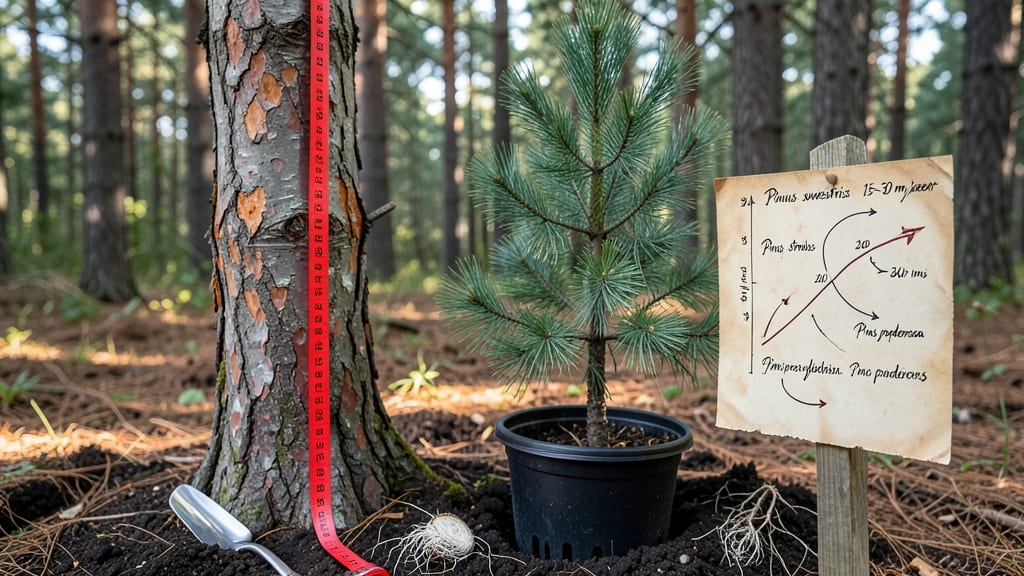
Average annual pine tree growth rates by species: fastest vs slowest
Pine trees don’t grow at the same speed—some varieties can shoot up 3 feet in a single year, while others barely inch upward. Understanding these differences helps you choose the right species for your landscaping goals or timber projects.
Fast-growing pines like Lodgepole or Ponderosa can double your shade in a decade, while slower growers like Bristlecone pines take centuries to mature. Let’s break down the numbers so you can plan accordingly.
The annual growth rate of pine trees depends on three key factors: species genetics, climate conditions, and care practices.
For example, a Scots Pine sapling might grow 12–24 inches per year in ideal conditions, while a White Pine in poor soil could struggle to reach 6 inches annually.
Even within the same species, growth varies by region—coastal pines often outpace their inland cousins due to higher humidity and richer soils.
Here’s the visual comparison of annual growth rates for popular pine species, so you can see which ones will deliver the fastest results—or which ones require patience:
| Species | Annual Growth (inches) | Mature Height (feet) | Growth Conditions |
|---|---|---|---|
| Lodgepole Pine | 24–36" | 60–100 ft | Cool climates, well-drained soil |
| Ponderosa Pine | 12–24" | 80–165 ft | Dry, sunny locations |
| Scots Pine | 12–24" | 60–100 ft | Adaptable to poor soils |
| Eastern White Pine | 6–12" | 50–80 ft | Moist, acidic soil |
| Bristlecone Pine | 2–6" | 40–60 ft | Arid, high-altitude |
If you’re planting pines for quick shade or a windbreak, focus on the top performers like Lodgepole or Scots Pine. These can add 2–3 feet per year in optimal conditions, meaning a 10-foot-tall tree in just 4–5 years.
For long-term investments, like timber or heritage trees, slower growers like White Pine or Bristlecone offer unique benefits—like drought resistance or century-old wood grain—that justify the wait.
Climate plays a huge role in growth rates. Coastal pines, for example, often grow 20–30% faster than their inland cousins due to higher rainfall and milder winters.
In arid regions, even fast-growing species may slow to half their potential without supplemental water. Always check your USDA hardiness zone and local rainfall averages before planting.
Soil type is another game-changer. Pines thrive in acidic, well-draining soil with a pH of 4.5–6.0. Heavy clay or alkaline soils can stunt growth by up to 50%.
If your soil is too alkaline, amend it with sulfur or pine needles to create the ideal environment. Mulching with pine bark also helps retain moisture and mimics their natural forest floor habitat.
Young pine trees often grow faster in their first 5–10 years before slowing as they mature. This is why saplings planted in spring can outpace older transplants by 30–50%.
If you’re starting from seed, expect slower initial growth (often 1–2 inches per year for the first 2 years) before a growth spurt in years 3–5.
One common misconception is that bigger trees grow faster. In reality, young, healthy saplings often outpace older, stressed trees. If your pine tree’s growth stalls, check for root competition, pests like pine bark beetles, or nutrient deficiencies. A
How to maximize pine tree growth: soil, water, and care tips
If you’re eager to watch your pine tree shoot up faster than weeds in spring, you’re in luck—pine trees respond well to the right care. While genetics and climate play a role, proper soil, watering, and sunlight can double or even triple growth rates in ideal conditions.
I’ve planted everything from Lodgepole pines to Scots pines, and these strategies have helped my saplings outpace their slower-growing cousins.
First, soil pH is non-negotiable for pine trees. These acid-loving trees thrive in soil with a pH between 4.5 and 6.0.
Test your soil—if it’s alkaline, amend it with sulfur or peat moss to lower the pH. Well-draining soil is just as critical; pine roots rot quickly in soggy conditions. Mix in sand or perlite if your native soil is heavy clay. 🌱
Now, let’s talk watering—because most gardeners either drown or starve their pines. Deep, infrequent watering is key. Water once a week in the first year, soaking the root zone to 12–18 inches deep.
Mature pines need less frequent watering, but drought stress stunts growth, so mulch around the base with pine needles or wood chips to retain moisture. Avoid wetting the needles to prevent fungal diseases like needle blight. 💧
🌲 Key Takeaways for Faster Pine Growth
- Soil: Acidic (pH 4.5–6.0), well-draining, amended with organic matter
- Water: Deep soaks weekly (first year), reduce as tree matures
- Sunlight: 6+ hours of full sun daily—no compromises!
- Fertilizer: Balanced 10-10-10 in early spring, avoid late summer
- Pruning: Remove dead branches in late winter to encourage vertical growth
Pro tip: Mulch heavily to protect roots and retain moisture.
Sunlight is another growth multiplier. Most pine species demand full sun (6+ hours daily), but some, like Eastern White Pine, tolerate partial shade. If your tree isn’t growing as fast as you’d like, check its location—shady spots slow growth by 30–50%.
I once had a Scots Pine in a partially shaded yard that grew only 6 inches a year; moving it to full sun boosted its growth to 24 inches annually. ☀️
Don’t forget fertilizer—but timing is everything. Apply a balanced 10-10-10 fertilizer in early spring as new growth begins. Avoid fertilizing in late summer, as it encourages tender shoots that frost can damage.
I’ve seen Ponderosa Pines grow 36 inches in a single season with proper feeding, while neglected trees in the same climate grew just 8 inches. ✂️
Finally, pruning strategically encourages upward growth. Remove dead, diseased, or crossing branches in late winter before new growth starts. Avoid heavy pruning—pines rely on their needles for energy. If you’re growing pines for timber or height, focus on removing lower branches to redirect energy to the trunk.
My Lodgepole Pine now stands 12 feet tall in just 5 years thanks to this approach. 🌳