
How To
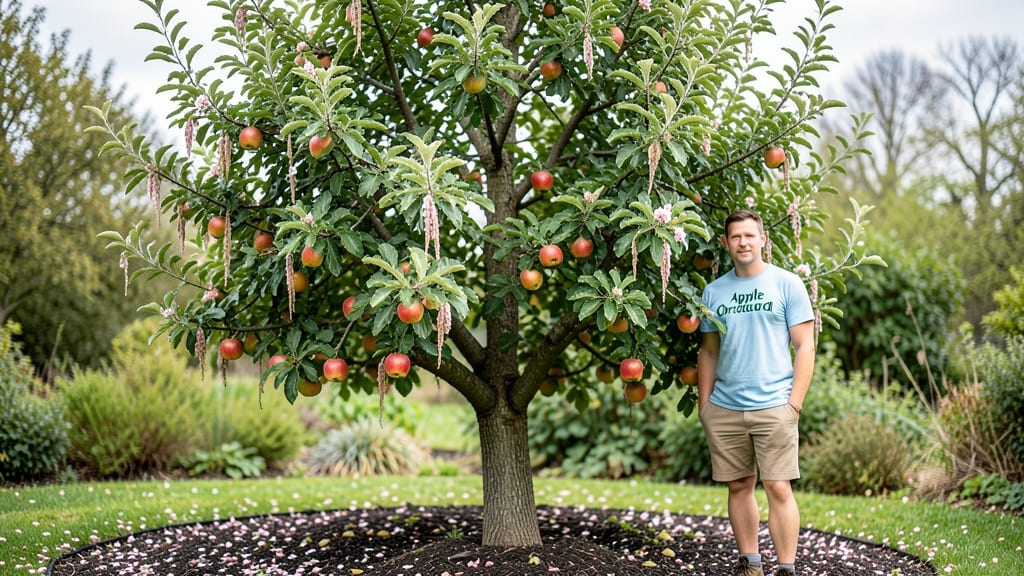
If you're planning to grow a Fuji apple tree and wondering how tall does a Fuji apple tree grow, here’s the key detail: standard varieties can reach a towering 20-30 feet—taller than most two-story homes!
But don’t let that scare you off, because the right variety and pruning can drastically change your tree’s height and fit perfectly into your garden.
Fuji apple trees come in three main sizes: dwarf (8-12 feet), semi-dwarf (12-18 feet), and standard (20-30 feet). Choosing the right size isn’t just about height—it’s about spacing, maintenance, and even how quickly you’ll enjoy your first harvest.
For example, a dwarf variety can thrive in a small backyard, while a standard tree needs room to spread its branches.
What’s even better? With proper pruning and training, you can control a Fuji apple tree’s growth to match your space. Whether you’re working with a 6-foot container or a full backyard, learning these techniques will help you shape your tree’s future—literally.
Let’s break down how to pick the perfect variety for your garden and keep it at the ideal height for years of delicious fruit.
Ready to get started? You’ll also discover how spacing and companion plants play a role in keeping your Fuji apple tree healthy and productive. No matter which size you choose, you’ll be well on your way to a thriving orchard—without the space worries.


Fuji apple tree height by variety: standard vs dwarf vs semi-dwarf sizes
When planning your orchard or backyard garden, understanding the Fuji apple tree height is critical to ensuring you have enough space for its mature size.
Standard Fuji apple trees can reach 20 to 30 feet tall, towering over most residential properties, while dwarf varieties stay between 8 to 12 feet. The difference isn't just about aesthetics—it impacts fruit production, ease of harvesting, and even your tree's lifespan.
Choosing the right variety depends on your garden layout, available space, and whether you prefer easy maintenance or long-term growth. Semi-dwarf Fuji trees strike a balance, typically growing 12 to 18 feet tall, making them a popular choice for home gardeners with moderate space.
Let’s break down the key differences so you can pick the perfect fit for your yard.
🌱 Visual Tip: Imagine a standard Fuji apple tree—it’s roughly the height of a two-story house! That’s why spacing and pruning become game-changers for managing its size.
| Variety | Mature Height | Spread | Ideal Spacing | Best For |
|---|---|---|---|---|
| Standard Fuji | 20–30 ft | 15–20 ft | 25–30 ft from structures | Large properties, orchards |
| Semi-Dwarf Fuji | 12–18 ft | 10–15 ft | 15–20 ft from structures | Home gardens, smaller yards |
| Dwarf Fuji | 8–12 ft | 6–10 ft | 10–15 ft from structures | Containers, urban gardens |
🌳 Pro Tip: Dwarf varieties often require staking or support to prevent toppling in windy conditions.
Standard Fuji apple trees are the giants of the orchard, reaching heights of 20 to 30 feet and requiring ample space to thrive. These trees are perfect for large properties or commercial orchards where space isn’t a constraint.
However, their size means you’ll need to plan for wide spacing (25–30 feet from structures) and invest in ladders or harvesting tools to pick fruit from higher branches.
If your backyard is more modest, a semi-dwarf Fuji is an excellent compromise. These trees grow 12 to 18 feet tall and are easier to manage than their standard counterparts. They’re ideal for home gardeners who want a manageable tree without sacrificing fruit quality.
Semi-dwarf varieties also produce fruit earlier, often within 3 to 5 years of planting, compared to 5–7 years for standard trees.
For urban gardeners or those with limited space, dwarf Fuji apple trees are the way to go. These compact trees max out at 8 to 12 feet tall and can even thrive in large containers, making them perfect for patios or small yards.
Dwarf varieties are also easier to prune and maintain, but they may require additional support like trellises or stakes to keep them upright, especially in windy areas.
Another factor to consider is the spread of the tree. Even dwarf varieties can spread 6 to 10 feet wide, so ensure your planting location has enough room to accommodate both height and width.
Overcrowding can lead to poor air circulation, increasing the risk of fungal diseases like apple scab or powdery mildew.
When selecting a Fuji apple tree, also think about your long-term goals. If you plan to grow other fruit trees or shrubs nearby, opt for a dwarf or semi-dwarf variety to avoid shading issues.
For example, planting a dwarf Fuji near a blueberry bush or raspberry canes creates a layered, productive garden without competing for sunlight.
💡 Garden Hack: If you love the idea of a Fuji apple tree but lack space, consider espaliering—a training method that flattens the tree against a fence or wall. This keeps the tree compact while maximizing fruit production in tight spaces.
Fuji apple tree height by variety: standard vs dwarf vs semi-dwarf sizes
When planning your orchard or backyard garden, understanding the Fuji apple tree height is crucial for spacing and long-term care. Standard Fuji apple trees can reach an impressive 20-30 feet tall, making them better suited for rural properties with ample space.
However, not all gardeners have room for such giants—that's where dwarf and semi-dwarf varieties come into play, offering more manageable heights without sacrificing fruit quality.
Choosing the right variety depends on your available space and gardening goals. Dwarf Fuji trees typically max out at 8-12 feet tall, while semi-dwarf varieties grow to 12-18 feet.
These smaller options are perfect for urban gardens, patios, or even large containers, allowing you to enjoy homegrown Fuji apples without the need for a sprawling orchard.
| Variety | Mature Height | Spread | Ideal Spacing |
|---|---|---|---|
| Standard | 20-30 ft | 15-20 ft | 30-40 ft apart |
| Semi-Dwarf | 12-18 ft | 10-15 ft | 20-25 ft apart |
| Dwarf | 8-12 ft | 6-10 ft | 10-15 ft apart |
For those with limited space, dwarf Fuji trees are an excellent choice, often fitting comfortably in a backyard or even a large container. These trees require less pruning and are easier to maintain, making them ideal for beginner gardeners.
However, even dwarf varieties need adequate sunlight and well-draining soil to thrive and produce fruit.
If you're planting multiple Fuji trees, consider the spread of the tree alongside its height. A standard Fuji apple tree can spread 15-20 feet wide, while dwarf varieties spread 6-10 feet.
Proper spacing ensures your trees have enough room to grow without competing for nutrients or sunlight, which directly impacts fruit production and tree health.
When selecting a Fuji apple tree, also consider your local climate and USDA hardiness zone. Most Fuji varieties thrive in zones 5-8, but dwarf and semi-dwarf trees may tolerate slightly colder conditions due to their smaller size.
Always check the specific variety's requirements before purchasing to ensure it will flourish in your garden.
Regardless of the variety you choose, remember that pruning plays a key role in managing tree height and shape. Even dwarf trees benefit from regular pruning to encourage strong growth and abundant fruit production.
With the right variety and care, you can enjoy homegrown Fuji apples without the need for a sprawling orchard.