
How To
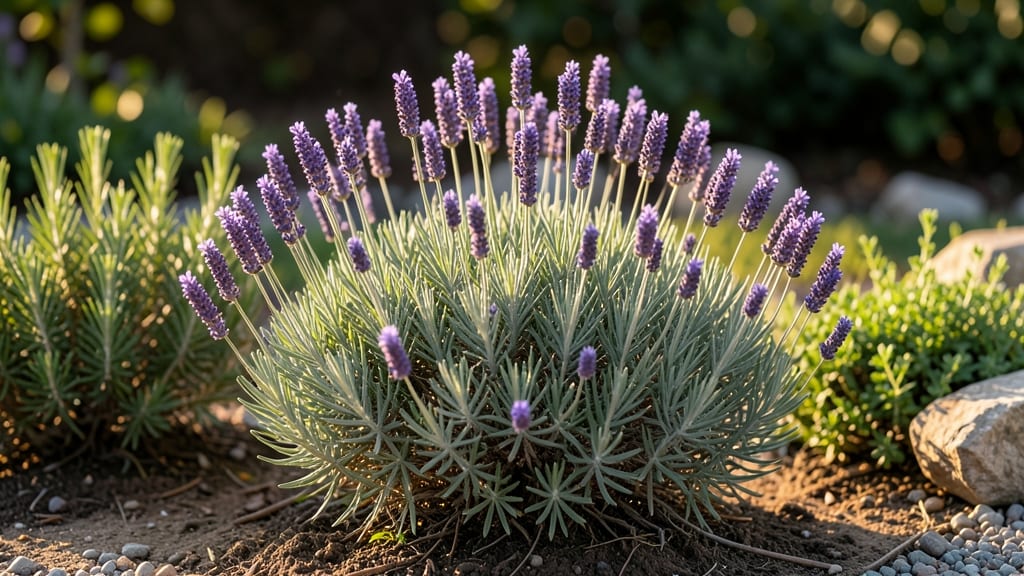
When you picture a lavender tree, do you imagine how tall it can grow—whether a delicate 3-foot hedge or a towering 15-foot shrub that steals the show in your landscape?
The truth is, this fragrant beauty can be either—it all depends on the variety and how you care for it. If you're planning your garden layout or dreaming of a fragrant border, knowing these growth habits is the key to getting exactly what you want.
Most lavender trees—like the classic English lavender—top out around 3 to 5 feet when pruned regularly, making them perfect for hedges or container gardens. But left unchecked, some varieties can stretch toward 10 feet or more, especially in warmer climates like USDA Zone 6a.
Whether you're working with a dwarf variety or a bold landscape statement piece, understanding these growth patterns helps you shape your garden with confidence.
Pruning plays a huge role in controlling height—cutting back in late spring or early summer keeps lavender compact and bushy, while neglect can lead to leggy, woody stems.
If you're growing lavender for its signature scent and color, you’ll want to learn the best techniques to maintain its size without sacrificing its beauty. Let’s break down how to keep your lavender tree at the perfect height for your space.
From fragrant hedges to striking vertical accents, lavender trees offer versatility that’s hard to beat. Whether you’re a beginner gardener or a seasoned pro, knowing how tall your lavender can grow—and how to shape it—will help you create a garden that’s both functional and stunning. Ready to get started?


Lavender tree height by variety: from dwarf to towering giants
When I first planted lavender, I assumed all varieties would stay compact—until I saw my neighbor’s 12-foot lavender hedge! The truth is, lavender height varies wildly by species and variety, ranging from 1-foot dwarf types to 10-foot towering shrubs.
Understanding these differences helps you choose the perfect lavender for your space, whether it’s a container garden or a privacy hedge.
Most people think of lavender as a small shrub, but the Lavandula angustifolia (English lavender) and Lavandula x intermedia (hybrid lavender) can grow surprisingly tall—especially if left unpruned.
French lavender (Lavandula stoechas) tends to stay shorter, while Spanish lavender (Lavandula dentata) often reaches 3-5 feet with proper care. The key? Pruning frequency and genetic growth habits determine whether your lavender stays petite or stretches skyward.
Here’s the reality: Unpruned lavender can grow 10-15 feet tall over time, but most gardeners keep it between 3-6 feet for manageability. The varieties you choose will dictate your pruning workload—some, like ‘Hidcote’, naturally stay under 2 feet, while others, like ‘Grosso’, can double that size.
Let’s break down the height ranges for popular varieties so you can plan your garden layout with confidence.
If you’re planning a lavender hedge, the ‘Grosso’ variety is a popular choice because it grows 4-6 feet tall and thrives in full sun. For container gardening, ‘Hidcote’ or ‘Munstead’ stay under 2 feet, making them perfect for balconies or patios.
The French lavender varieties, like ‘Papillon’, are ideal for small spaces because they rarely exceed 2.5 feet in height.
One common misconception is that all lavender grows tall—when in reality, pruning habits play a huge role in height control. For example, if you never prune your ‘Grosso’ lavender, it can easily reach 8 feet or more.
But with annual pruning in late spring, you can keep it at a manageable 3-4 feet. This is why I always recommend starting with a dwarf variety if space is limited, or planning for regular maintenance if you want a taller lavender statement.
Another factor to consider is regional climate. Lavender in USDA Zone 7 or higher tends to grow taller because of longer growing seasons, while lavender in cooler zones (Zone 5-6) may stay shorter due to slower growth.
For instance, my ‘Grosso’ lavender in Zone 8 reaches 5 feet by year three, while a friend’s identical plant in Zone 6 maxes out at 3.5 feet. Always check your local frost dates and adjust pruning accordingly.
For urban gardeners with limited space, consider lavender topiaries. Varieties like ‘L
Lavender tree height by variety: from dwarf to towering giants
When I first planted lavender, I assumed all varieties would stay small and tidy—until my Lavandula angustifolia shot up to 6 feet in just two years! Lavender isn’t technically a tree, but some varieties grow tall enough to mimic one, especially with minimal pruning.
The key to controlling height lies in the species and cultivar you choose, as well as how aggressively you prune.
Most lavender grows as a shrub, not a tree, but some varieties like Lavandula stoechas (Spanish lavender) can reach 3–5 feet tall with a bushy, almost tree-like habit. Meanwhile, English lavender (Lavandula angustifolia) typically stays between 2–4 feet unless left unpruned, where it can sprawl to 5 feet.
Understanding these differences helps you plan for hedges, containers, or bold landscape statements.
Here’s how popular lavender varieties compare in height, including their growth habits and ideal uses:
| Variety | Mature Height | Growth Habit | Best For |
|---|---|---|---|
| Lavandula angustifolia (English Lavender) | 2–4 ft (unpruned: up to 5 ft) | Compact, bushy | Hedges, borders, containers |
| Lavandula stoechas (Spanish Lavender) | 3–5 ft (unpruned: up to 6 ft) | Upright, slightly woody base | Dramatic accents, tall hedges |
| Lavandula × intermedia (Grosso or Provinsal) | 3–5 ft (unpruned: up to 7 ft) | Tall, sturdy stems | Privacy screens, large landscapes |
| Lavandula × intermedia 'Hidcote' (Dwarf Hybrid) | 1.5–2.5 ft | Low, spreading | Rock gardens, containers, small spaces |
| Lavandula × intermedia 'Munstead' | 2–3 ft | Bushy, rounded | Hedges, pollinator gardens |
Pruning plays a huge role in controlling height. For example, if you shear Spanish lavender back by 1/3 after flowering, it’ll stay around 3 feet instead of reaching 6 feet.
Meanwhile, dwarf varieties like 'Hidcote' rarely need pruning—they stay naturally compact. Always prune in late spring or early summer to avoid cutting back new growth.
Another factor is your climate. Lavender in USDA Zone 7 or warmer tends to grow taller and bushier than the same variety in Zone 5 or cooler, where cold stress can stunt growth.
If you’re in a cooler region, choose hardy cultivars like 'Munstead' or 'Provinsal' for reliable height control.
For container gardening, stick to dwarf or semi-dwarf varieties like 'Hidcote' or 'Little Lady.' These thrive in 12–18 inch pots and rarely exceed 2 feet, making them perfect for patios or balconies. Just ensure the pot has drainage holes—lavender hates soggy roots!
Whether you want a fragrant hedge, a tall privacy screen, or a compact container plant, choosing the right variety and pruning strategy is your best tool for controlling lavender’s height. Start with the table above, then experiment with pruning to see how your plants respond!