
How To
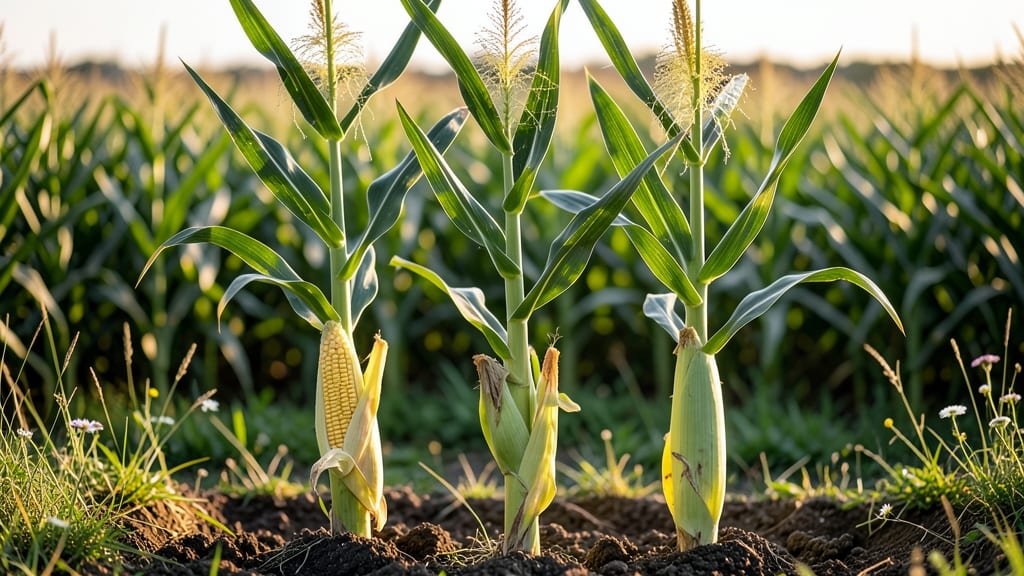
Ever stared at your backyard corn plants wondering how tall does corn plant grow—or why your neighbor’s stalks seem to tower over yours like skyscrapers? The truth is, corn isn’t just one size fits all.
Some varieties barely reach your knees, while others stretch taller than a basketball hoop, turning your garden into a jungle of 🌽 green giants.
If you’re planning your spring garden in USDA Zone 6a, knowing these height ranges is key. Dwarf varieties stay compact, perfect for small spaces, while standard types need room to stretch their legs—literally.
But here’s the kicker: height isn’t just about space. It affects everything from yield to how you support those stalks when summer storms roll in.
I’ll break down the exact height ranges for sweet corn, field corn, and specialty varieties, plus the 3 biggest factors that can make your corn grow taller—or shorter—than expected.
Whether you’re a first-time gardener or a seasoned pro, these insights will help you pick the perfect variety and set up your garden for success.
Ready to stop guessing and start growing? Let’s dive into the secrets behind corn’s towering potential—and how to harness it for your garden’s best harvest yet.


Corn plant height by variety: from dwarf to sky-high stalks
Corn height isn’t a one-size-fits-all answer—it depends entirely on the variety you choose. Most gardeners plant standard sweet corn, which typically reaches 8-12 feet tall, but dwarf varieties can stay as short as 3-5 feet.
Even within standard types, heights can vary by 1-2 feet based on genetics and growing conditions. Understanding these differences helps you plan your garden layout, choose support structures, and maximize your harvest.
For example, ‘Golden Bantam’ is a classic dwarf variety perfect for small gardens or containers, while ‘Peaches and Cream’ or ‘Silver Queen’ are tall, productive stalks that need ample space.
If you’re growing corn for ornamental purposes or in urban gardens, dwarf varieties save space and still produce sweet ears. Meanwhile, tall varieties are ideal for large homesteads or commercial plots where yield matters most.
Here’s the key takeaway: height directly impacts spacing, sunlight access, and even pollination success. Taller corn blocks sunlight for shorter plants, so proper spacing is critical. Let’s break down the most popular varieties by height category so you can pick the perfect fit for your garden.
| Variety | Height Range | Days to Maturity | Best For |
|---|---|---|---|
| Golden Bantam | 3-5 ft | 60-70 days | Containers, small gardens |
| Country Gentleman | 5-7 ft | 75-85 days | Home gardens, heirloom |
| Peaches and Cream | 8-10 ft | 80-90 days | Large gardens, high yield |
| Silver Queen | 9-12 ft | 85-95 days | Commercial plots, tall gardens |
| Tom Thumb | 3-4 ft | 55-65 days | Patio gardens, quick harvest |
Notice how dwarf varieties like Golden Bantam and Tom Thumb mature faster (in 60-70 days) compared to tall varieties like Silver Queen, which take 85-95 days. This makes them ideal for short growing seasons or container gardening.
If you’re in USDA Zone 6 or cooler, prioritize early-maturing, shorter varieties to avoid frost damage before harvest.
Tall corn varieties, like Peaches and Cream, produce more ears per stalk but require 36+ inches of spacing between rows. This spacing ensures adequate airflow, reducing fungal diseases like corn smut or leaf blight.
If your garden is small, consider interplanting with shorter crops like beans or lettuce, which thrive in the shade of corn’s early growth.
Another factor to consider is pollination success. Taller corn varieties often have better wind pollination because their tassels (male flowers) are higher above ground.
However, if you’re growing dwarf or semi-dwarf varieties, you may need to hand-pollinate or plant them in blocks of at least 4 rows to ensure cross-pollination. Poor pollination leads to underdeveloped ears or small kernels, which directly impacts your harvest.
For urban gardeners or those with limited space, bush corn varieties (a type of dwarf corn) are a game-changer. They don’t require trellising and produce ears along the stalk, not just at the top.
Varieties like ‘Miniature Sweet’ grow just 4-5 feet tall but still yield 6-8 ears per stalk. This makes them perfect for balcony gardens or raised beds.
If you’re new to growing corn, start with a medium-height variety like Country Gentleman. It strikes a balance between space efficiency and high yield, with stalks reaching 5-7 feet. This gives you room to experiment with companion planting or vertical supports
How corn height affects your garden: space, support, and sunlight needs
Corn’s height variations aren’t just about aesthetics—they directly impact your garden’s layout, yield, and care routine. A 10-foot stalk needs more space than a 4-foot dwarf, and taller varieties often require extra support to prevent toppling.
Let’s break down how height influences your gardening strategy, from spacing to sunlight exposure.
First, consider garden spacing. Tall corn varieties like ‘Golden Bantam’ (8–10 ft) need at least 36 inches between rows to avoid shading neighbors, while dwarf varieties like ‘Tom Thumb’ (3–5 ft) can thrive in tighter 24-inch rows.
Crowding stunts growth, so always match spacing to the variety’s mature height.
Next, think about sunlight exposure. Corn craves full sun (6–8 hours daily), but taller stalks cast deeper shadows. Plant shorter varieties near fences or borders to maximize sunlight for all plants. In small gardens, interplant corn with shorter companions like beans or lettuce to optimize space.
🌱 Key Takeaway: Height-Based Spacing Rules
| Height Range | Row Spacing | Plant Spacing | Sunlight Note |
|---|---|---|---|
| 3–5 ft (Dwarf) | 24–30 inches | 6–8 inches apart | Minimal shading; ideal for borders |
| 5–7 ft (Semi-Dwarf) | 30–36 inches | 8–12 inches apart | Moderate shading; plant in blocks |
| 8–12 ft (Standard/Tall) | 36–48 inches | 12–18 inches apart | Deep shadows; avoid planting near short crops |
💡 Pro Tip: Use trellises or stakes for varieties over 8 ft to prevent lodging (falling over) and improve air circulation.
For small gardens or containers, choose dwarf or semi-dwarf varieties like ‘Country Gentleman’ (5–6 ft) or ‘Peaches and Cream’ (6–7 ft). These fit well in raised beds or large pots (at least 18-inch diameter) while still producing bountiful ears.
Just ensure the container has drainage holes and deep soil.
Finally, don’t overlook wind and support. Tall corn acts like a sail in breezy conditions. If your garden is exposed, consider staking or caging stalks over 7 ft tall. A simple bamboo stake tied to the stalk at the base can work wonders for stability.
By matching your corn’s height to your garden’s layout, you’ll maximize yield, minimize competition, and create a thriving corn patch that works for you—no matter how tall your stalks grow! 🌽