
How To
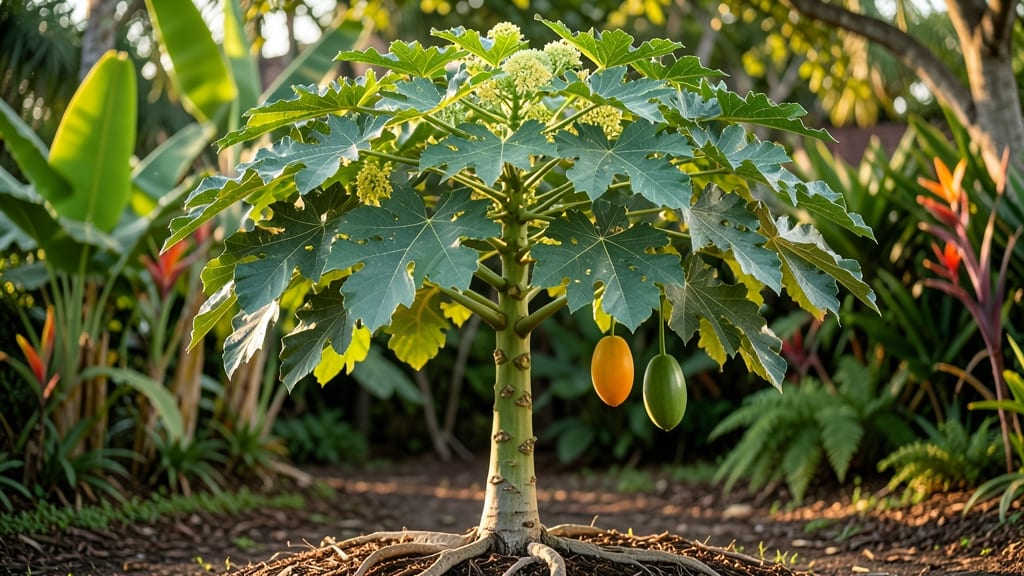
If you're dreaming of growing a papaya tree and wondering how tall does a papaya tree grow, the answer might surprise you—these tropical beauties can grow taller than you think, depending on the variety and growing conditions.
While some types stay compact, others shoot up to 30 feet or more, making them a dramatic addition to your landscape. The key to controlling height lies in understanding your climate, soil, and even pruning techniques—all of which we’ll explore to help you manage growth.
Whether you're working with a dwarf variety or a standard tree, knowing the right conditions can mean the difference between a manageable backyard plant and an unruly giant. Let’s break down the facts so you can plan your papaya tree’s future with confidence.
From tropical nurseries to container gardens, we’ll cover everything you need to know about how tall your papaya tree can grow—and how to keep it at your desired height.


Papaya tree height by variety: from dwarf to towering giants
Papaya trees (Carica papaya) are tropical powerhouses that can grow into impressive giants, but their final height depends heavily on the variety and growing conditions. Most standard varieties reach 10–30 feet tall, while some specialized types stay smaller.
Let’s explore the height ranges you can expect from popular papaya varieties and how climate affects their growth.
In tropical regions like Hawaii or Florida, papaya trees thrive year-round and often reach their maximum height potential. However, in cooler subtropical zones (like parts of California or Arizona), growth may slow, resulting in slightly shorter trees.
Even with ideal conditions, genetics play the biggest role—some varieties are bred to stay compact, while others grow like small trees.
The Solo variety, for example, is a common choice for home gardeners because it typically matures at 10–15 feet tall. This makes it more manageable for backyards, especially when paired with pruning.
Meanwhile, the Red Maradol variety can stretch up to 20–30 feet, making it better suited for large properties or greenhouses.
If you’re growing papayas in containers, expect even more limited height—usually 6–10 feet—since root space restricts vertical growth. Container-growing also requires careful pruning to maintain stability, as taller trees become top-heavy and prone to tipping.
🌱
| Variety | Mature Height (ft) | Growth Rate | Best For |
|---|---|---|---|
| Solo | 10–15 ft | Moderate (1–2 ft/month) | Home gardens, containers |
| SunUp | 12–18 ft | Fast (2+ ft/month) | Commercial farms, large yards |
| Red Maradol | 20–30 ft | Very fast (3+ ft/month) | Tropical climates, greenhouses |
| Kapoho Solo | 8–12 ft | Moderate (1 ft/month) | Urban gardens, small spaces |
| Tainong No. 1 | 15–25 ft | Fast (2 ft/month) | Subtropical zones, large containers |
The SunUp variety is a favorite among commercial growers because it reaches 12–18 feet quickly, making it ideal for large-scale production. However, its rapid growth means it needs strong support, like stakes or trellises, to prevent falling over.
In contrast, the Kapoho Solo variety stays shorter (8–12 feet), making it perfect for urban gardens where space is limited.
Climate also plays a role in height. In USDA Zones 10–12, papaya trees grow tallest because they experience year-round warmth. But even in Zone 9, with cooler winters, trees can still reach 10–15 feet if protected from frost.
The key is to plant in well-draining soil and provide consistent moisture—both critical for maximizing height potential.
If you’re growing papayas in containers, root-bound conditions will naturally limit height. However, you can still expect 6–10 feet with proper care, including regular pruning to encourage bushier growth. Just ensure your container is at least 15–20 gallons to accommodate root expansion.
🌿
For home gardeners, choosing the right variety is the first step to controlling height. If you’re in a small backyard, opt for Solo or Kapoho Solo. For larger properties or greenhouses, SunUp or Red Maradol will deliver bigger yields—and bigger trees.
Just remember: the taller the tree, the more sunlight, water, and support it’ll need to thrive.
Papaya tree height by variety: from dwarf to towering giants
Papaya trees (Carica papaya) are tropical powerhouses that can grow surprisingly tall—some varieties reaching heights of 20 to 30 feet under ideal conditions. The Solo variety, for example, is a popular choice for home gardens and can grow up to 15 feet tall in just 12-18 months.
Meanwhile, the Red Maradol variety tends to stay slightly shorter, typically between 10 and 15 feet, but its fruit is prized for its sweetness.
If you're dreaming of growing papayas in containers, you might be disappointed—most varieties simply outgrow pots quickly. However, some gardeners successfully grow dwarf-like papayas in large containers (15+ gallons) by pruning aggressively, though these will rarely exceed 8 feet.
The key is choosing the right variety and managing growth expectations early.
Climate plays a huge role in height. In tropical regions like Hawaii or Florida, papayas grow 30% taller than in subtropical zones like Southern California. Cooler climates may stunt growth, but with proper care, even indoor papayas (grown under grow lights) can reach 6 to 10 feet over 2-3 years.
🌱
| Variety | Mature Height | Growth Rate | Best For |
|---|---|---|---|
| Solo | 15-25 ft | Fast (12-18 months) | Home gardens, tropical climates |
| SunUp | 10-15 ft | Moderate (18-24 months) | Subtropical zones, containers (with pruning) |
| Red Maradol | 10-15 ft | Slow (24+ months) | Sweet fruit, warm climates |
| Kapoho Solo | 20-30 ft | Very Fast (12 months) | Tropical regions, large backyards |
One common misconception is that papaya trees grow uniformly tall. In reality, their height depends heavily on pruning practices and whether they’re grown for fruit or foliage. Trees left unpruned can become top-heavy, leading to weak stems and potential breakage.
Even in container growing, papayas will still reach their genetic height potential unless you prune aggressively every 3-4 months.
For small-space gardeners, consider the SunUp variety, which tends to stay shorter and is more adaptable to cooler climates. If you're in USDA Zone 10 or warmer, you can expect 20-foot giants in just a few years—plan your garden layout accordingly!
Even a 10-foot tree can produce 50+ pounds of fruit annually, so space isn’t always the limiting factor.
🌿