
How To
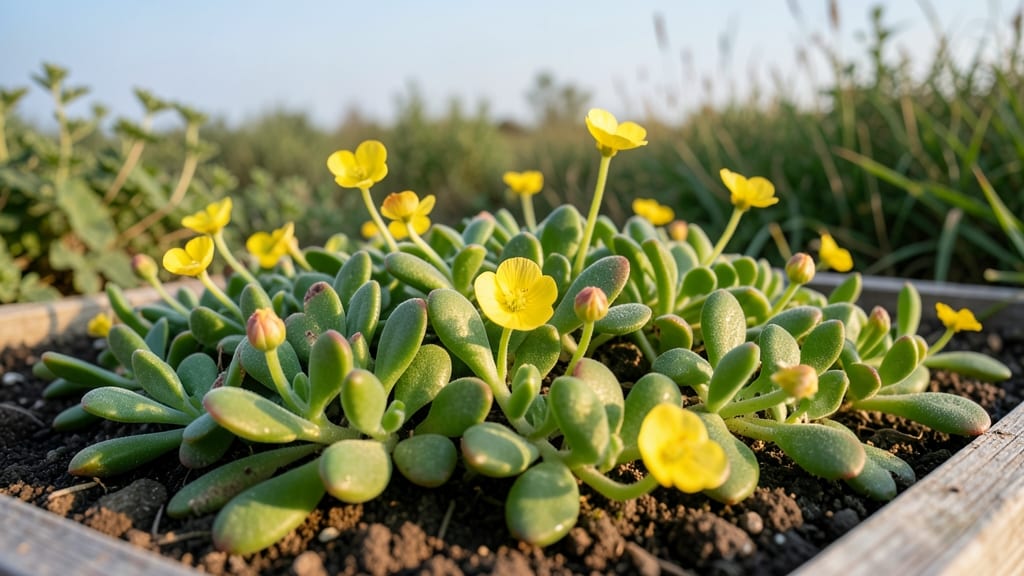
If you’re wondering how tall does purslane grow, the answer might surprise you—this fast-growing succulent rarely stands tall. Instead, it sprawls like a ground-hugging carpet, reaching just 4–12 inches at most, depending on variety and care.
Purslane’s compact stature is one of its biggest charms, especially for gardeners with limited space. Whether you’re growing it in containers or letting it spread in your garden beds, its low height makes it a versatile choice for edible landscaping or quick harvests.
But here’s the catch: while most varieties stay short, some can stretch longer if given plenty of sunlight and rich soil. The key to keeping it manageable? Regular pruning and harvesting young leaves. I’ll show you exactly how to control its spread without sacrificing flavor or yield.
Ready to turn this low-maintenance plant into a garden staple? Let’s dive into the factors that shape purslane’s height—and how to grow it to your advantage.


Purslane height guide: compact varieties vs. sprawling growth patterns
Purslane (Portulaca oleracea) is one of those plants that confounds new gardeners with its dual nature—it can be both a delicate ground cover and a sprawling vine, depending on conditions.
On average, purslane grows between 2 to 12 inches tall, but its spread can stretch up to 2 feet wide in ideal conditions. This succulent's height is heavily influenced by its growing environment, variety, and how you manage it.
If you're growing purslane for its tender leaves and stems, you’ll want to encourage a bushier, more compact growth habit. However, if left unchecked, it naturally sprawls outward, forming dense mats.
Understanding these growth patterns helps you decide whether to grow it in containers, raised beds, or directly in garden soil.
The comparison table below breaks down how different factors—like sunlight, soil, and pruning—affect purslane's height and spread. This will help you tailor your care routine to achieve the growth form you prefer, whether that's a neat, upright plant or a lush ground cover.
| Factor | Compact Growth (2–6") | Sprawling Growth (6–12"+) |
|---|---|---|
| Sunlight | Partial shade (4–6 hrs/day) | Full sun (6+ hrs/day) |
| Soil Type | Well-draining, slightly sandy | Rich, fertile, moist |
| Watering | Moderate (every 5–7 days) | Frequent (every 2–3 days) |
| Pruning | Regular trimming (pinch tips) | Minimal pruning |
| Climate | Cooler regions (USDA Zones 3–7) | Warm, arid climates (USDA Zones 8–11) |
One of the biggest misconceptions about purslane is that it always grows like a wild weed. In reality, its height and spread are highly adaptable. For example, in partial shade, purslane stays shorter and more upright, making it ideal for container gardening or as a border plant.
In contrast, full sun and rich soil encourage its sprawling, ground-cover habit, which is perfect for filling gaps between other plants or suppressing weeds.
If you're growing purslane in containers, expect it to stay on the shorter side (4–6 inches tall) due to limited root space. However, in garden beds, it can reach its full 6–12-inch height while spreading up to 2 feet wide.
This makes it a fantastic edible ground cover for warm-season gardens, especially in regions with hot, dry summers.
Another key factor is the variety you choose. While most common purslane varieties are sprawling, some heirloom or ornamental types (like Portulaca grandiflora) grow taller and more upright, reaching 8–12 inches with vibrant flowers.
These are less common in edible gardens but add a decorative touch if you're growing purslane for both food and aesthetics.
For edible purslane, the goal is often to keep it compact and bushy for easier harvesting. This means avoiding overwatering and providing well-draining soil to prevent leggy growth. If you notice your purslane stretching toward the light, it’s a sign it needs more shade or less water.
Conversely, if it’s spreading too aggressively, regular harvesting will encourage denser, shorter growth.
Purslane’s growth habits also change with the seasons. In spring, it grows slowly until temperatures rise above 50°F. By summer, it enters its fastest growth phase, which is when it can reach its maximum height and spread.
In fall, growth slows as temperatures drop, and the plant may produce flowers, signaling it’s time to harvest before it goes to seed.
To summarize, purslane’s height is not fixed—it’s a dynamic plant that responds to your care. By adjusting sunlight, water, and pruning, you can grow it as a neat, compact edible or a lush, sprawling ground cover.
The key is to monitor its growth and intervene when needed to steer it toward your desired form.
🌱
Purslane height guide: compact varieties vs. sprawling growth patterns
Purslane’s height can vary dramatically—from a prostrate mat just 2 inches tall to upright stems reaching 12 inches. Most gardeners grow the common purslane (Portulaca oleracea), which typically stays between 4–8 inches tall but spreads aggressively.
The key to its height lies in its genetics, sunlight exposure, and soil conditions, not just age.
If you’re growing purslane in containers or raised beds, expect slightly shorter growth (3–6 inches) due to restricted root space. In open garden beds with rich soil, it may stretch taller—especially if competing for sunlight.
Even then, its sprawling habit often makes it appear wider than tall, which is why many gardeners describe it as a "ground-hugging succulent."
| Variety | Height Range | Growth Habit | Best For |
|---|---|---|---|
| Common Purslane | 4–8 inches | Prostrate/sprawling | Garden beds, containers |
| Dwarf Varieties | 2–4 inches | Compact, bushy | Window boxes, pots |
| Sun-Exposed Plants | 6–12 inches | Upright stems | Full-sun gardens |
| Shade-Grown Plants | 2–5 inches | Low, spreading | Partial shade areas |
Sunlight is the biggest factor in determining purslane’s height. In full sun (6+ hours daily), stems grow taller and more upright, sometimes reaching 10–12 inches if not harvested regularly. However, in partial shade (3–4 hours of sun), it stays shorter and bushier, rarely exceeding 5 inches.
This is why many gardeners in hot, arid climates (like Arizona or California) report taller purslane than those in cooler, cloudier regions.
Soil depth also plays a role—purslane has a shallow root system, so deeper containers (8+ inches) encourage taller growth, while shallow trays or mulched beds keep it low and sprawling.
If you’re growing purslane in poor, rocky soil, expect it to stay under 4 inches tall as it focuses energy on survival rather than vertical growth.
One common misconception is that purslane always grows like a weed, but with the right conditions, you can train it to stay compact. For example, regular harvesting of the longest stems encourages bushier growth, while pruning the tips prevents legginess.
Even in its wildest form, purslane rarely exceeds 1 foot in height, making it ideal for ground cover, salads, or container gardens.
For edible yields, aim for a height of 4–6 inches—this is when the leaves are plumpest and most flavorful. Let it grow taller, and the stems become woody and less tender, though they’re still safe to eat.
If you’re growing purslane as a living mulch, its sprawling habit is a feature, not a bug!