
Flowers
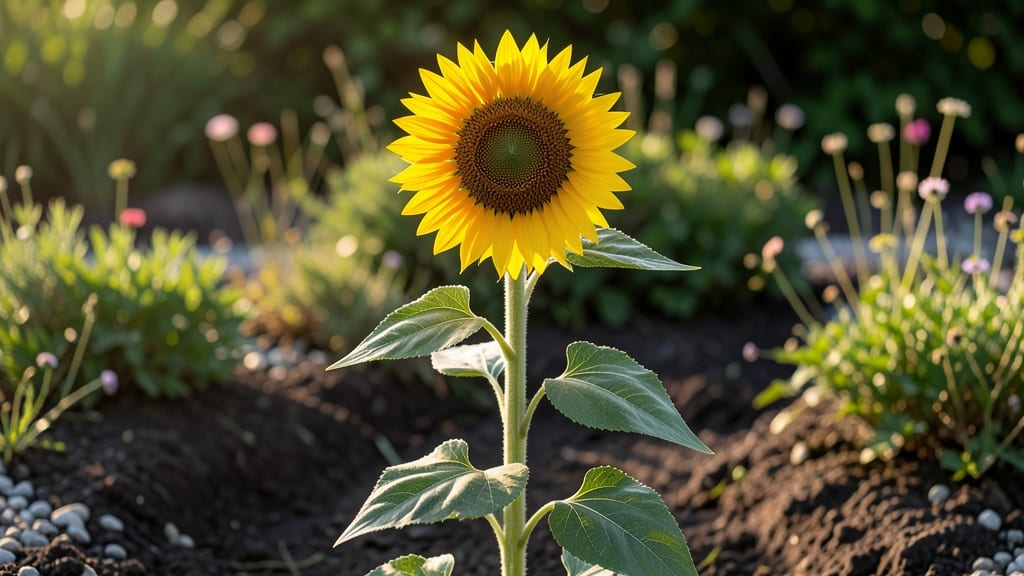
If you’ve ever wondered how tall sunflowers grow, the answer might surprise you—these cheerful blooms can range from tiny tabletop companions to towering giants that dwarf even the tallest gardeners.
Whether you’re dreaming of a 🌻 sunflower that reaches your shoulder or one that stretches toward the sky, the variety you choose makes all the difference.
The height of your sunflower isn’t just about luck—it’s a mix of genetics, care, and a little patience.
Dwarf varieties like ‘Teddy Bear’ stay cozy at just 1-3 feet, perfect for containers or small spaces, while giants like ‘Mammoth’ can soar to 10-16 feet, turning your backyard into a sunflower skyline.
But here’s the secret: even the tallest sunflowers need the right conditions to reach their full potential.
Sunlight, soil, and spacing play starring roles in determining how high your sunflowers will climb. Too little space? They’ll compete for nutrients and stay short. Too much water? Their stems might weaken.
But with the right balance—6-8 hours of sun, well-draining soil, and proper spacing—you can coax even dwarf varieties to grow a little taller or keep giants from toppling over.
Ready to grow the perfect sunflower for your space? Let’s break down the heights by variety, the care tips to maximize growth, and how to pick the best type for your garden—whether it’s a tiny balcony or a sprawling field. Your sunflower’s future starts here!


Sunflower height by variety: from dwarf to towering giants
Sunflowers come in an astonishing range of heights, from tiny tabletop varieties to giant towering giants that dwarf even the tallest gardeners.
The height you’ll get depends entirely on the variety you choose, with some reaching just 6 inches tall while others shoot up to 16 feet or more. For perspective, that’s the difference between a small potted plant and a two-story building!
Let’s explore the full spectrum so you can pick the perfect sunflower for your space.
Most sunflower varieties fall into three broad categories: dwarf (under 3 feet), medium (3–6 feet), and giant (8+ feet). The dwarf varieties are ideal for containers, balconies, or small gardens, while giant sunflowers make dramatic statements in open fields or as focal points.
Even within these categories, heights can vary by 1–2 feet depending on growing conditions, so always check seed packets for mature height expectations.
Here’s a quick look at some of the most popular sunflower varieties and their typical heights to help you visualize what to expect in your garden:
| Variety | Height Range | Best For | Notes |
|---|---|---|---|
| Teddy Bear | 12–18 inches | Containers, borders | Compact, great for kids |
| Moulin Rouge | 3–4 feet | Cut flowers, small gardens | Bicolor blooms, early bloomer |
| Autumn Beauty | 4–5 feet | Cut flowers, pollinators | Multi-colored petals |
| Russian Giant | 10–14 feet | Dramatic focal points | Needs staking, huge blooms |
| Mammoth | 12–16 feet | Large gardens, events | Classic giant, needs space |
| Sunspot | 2–3 feet | Containers, urban gardens | Drought-tolerant, early bloomer |
If you’re growing sunflowers in partial shade (less than 6 hours of sun), expect heights to be 20–30% shorter than listed. For example, a 5-foot variety might only reach 3–4 feet without full sun.
The Teddy Bear and Sunspot varieties are the most forgiving in lower-light conditions, making them great choices for patios or shaded gardens.
For maximum height, prioritize full sun exposure, well-draining soil, and regular watering during the growing season. Giant varieties like Russian Giant and Mammoth can grow 1–2 feet taller in ideal conditions, but they’ll also need staking or support to prevent toppling.
If you’re growing sunflowers for cut flowers, medium-height varieties like Autumn Beauty (4–5 feet) strike the perfect balance between stability and height.
Pro tip: If you’re short on space but want tall sunflowers, try vertical gardening. Use trellises or tall cages to support medium-height varieties like Moulin Rouge, saving ground space while still enjoying stunning blooms at eye level.
Just be sure to tie stems gently to avoid damaging the plant as it grows.
One of the most fascinating aspects of sunflower growth is how first-year plants often grow shorter than mature plants. For example, a Mammoth sunflower might only reach 6–8 feet in its first year but can double in height by the second year if given ideal conditions.
This is why many gardeners save seeds from their tallest plants to grow even bigger blooms the following season!
When planning your sunflower garden, consider spacing requirements based on height. Dwarf varieties (1–3 feet) can be planted
Sunflower height by variety: from dwarf to towering giants
Sunflowers come in a stunning range of heights, from tiny dwarf varieties perfect for windowsills to giant sunflowers that can outgrow your fence. The height of your sunflowers depends entirely on the variety you choose, with some reaching heights of 16 feet or more!
Whether you're a city gardener with limited space or a rural enthusiast with acres to fill, there's a sunflower variety that will fit your needs perfectly.
Understanding sunflower height ranges helps you plan your garden layout, choose the right container sizes, and even decide whether to stake your plants. For example, 'Autumn Beauty' stays compact at just 3-5 feet, while 'Mammoth' varieties can tower over 14 feet.
Let’s explore the full spectrum of sunflower heights so you can pick the perfect variety for your space.
🌻 Sunflower Height Guide by Variety
| Variety | Height Range | Best For |
|---|---|---|
| Teddy Bear | 1-3 ft | Containers, small gardens, cut flowers |
| Autumn Beauty | 3-5 ft | Border gardens, patio pots, pollinator-friendly spaces |
| Russian Giant | 10-14 ft | Large gardens, privacy screens, dramatic focal points |
| Mammoth | 12-16 ft | Open fields, rural gardens, competitive growing |
| ProCut | 4-6 ft | Cut flower arrangements, bouquets, small to medium gardens |
If you're growing sunflowers in full sun, you can expect taller heights, especially for giant varieties. However, even the tallest sunflowers need proper care to reach their full potential. For instance, 'Russian Giant' sunflowers thrive in open spaces with rich soil and consistent watering.
In contrast, dwarf varieties like 'Teddy Bear' are more forgiving and can even grow well in partial shade, making them ideal for urban gardens.
One common misconception is that all sunflowers need massive space. In reality, many semi-dwarf varieties (like 'ProCut') stay under 6 feet and are perfect for patio gardens or even large containers. These varieties also produce long-lasting blooms, making them a favorite for cut flower arrangements.
Whether you're aiming for height or keeping things compact, there’s a sunflower variety that will suit your garden’s style and space.
For those with limited space, consider container gardening. Dwarf sunflowers like 'Teddy Bear' thrive in pots as small as 12 inches wide, while semi-dwarf varieties may need a 16-inch pot to accommodate their roots.
Always ensure your container has drainage holes to prevent root rot, and use a lightweight potting mix to keep the weight manageable.
No matter which variety you choose, sunflowers are incredibly rewarding to grow. Their bright yellow blooms bring joy to any garden, and their versatile heights make them a perfect fit for almost any space.
Whether you’re dreaming of a towering sunflower that reaches the sky or a charming dwarf that adds color to your balcony, the key is selecting the right variety for your unique growing conditions.