
Companion Plants
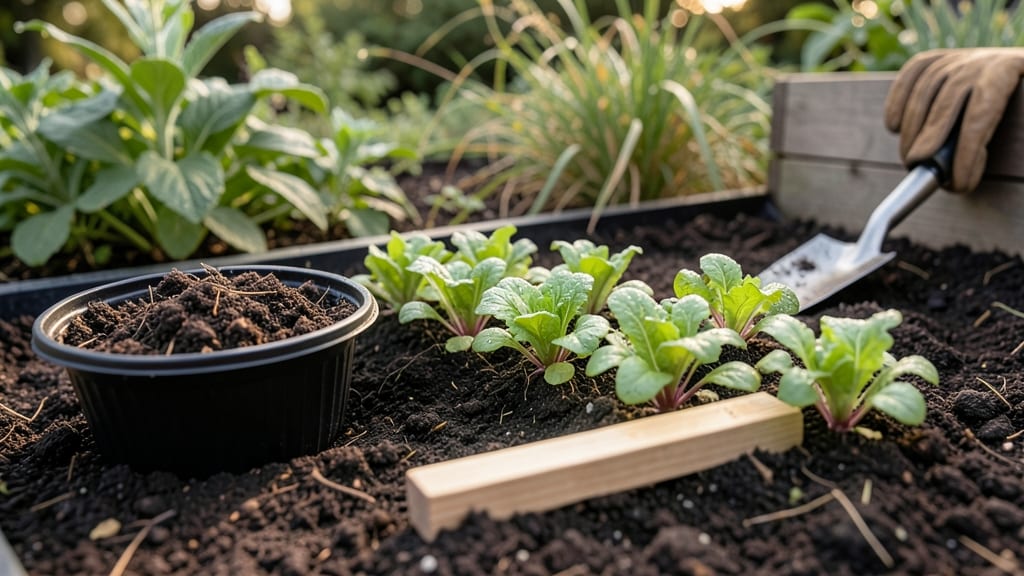
Knowing when to plant lettuce in Zone 6 can mean the difference between a thriving garden and a sad, wilted 🥬 pile. Zone 6’s unpredictable frosts and summer heat make timing everything—plant too early, and your lettuce bolts; too late, and you miss the sweet spot for crisp harvests.
I’ve grown lettuce in Zone 6 for years, and the key is working with—not against—your climate. Whether you’re aiming for a spring bounty or a fall harvest, the right planting window ensures your lettuce stays tender and flavorful.
Let’s break down the exact months to plant, plus pro tips to extend your growing season.
Most gardeners in Zone 6 plant lettuce in early spring (March-April) and late summer (August-September), but the devil’s in the details. Heat-tolerant varieties like romaine can handle summer’s edge, while cold-hardy types like winter density thrive in fall.
I’ll show you how to pick the perfect variety and time it just right.
Ready to avoid the common mistakes that ruin lettuce crops? You’ll learn how to time your plantings for 4-6 weeks before last frost, use shade cloth in summer, and even grow lettuce in containers. No more guesswork—just crisp, homegrown greens all season long.
Zone 6 lettuce planting calendar: exact frost-free dates by variety
Timing is everything when growing lettuce in Zone 6. The key is planting before your last spring frost (typically mid-April) and avoiding summer heat. Zone 6’s 165 frost-free days give you two prime planting windows: early spring and late summer.
But not all lettuce varieties thrive in this climate—some bolt in summer heat, while others survive light frosts.
For spring lettuce, aim to plant 4–6 weeks before your last frost date. This means starting seeds indoors by late February or sowing directly in early March.
If you miss this window, don’t panic—fall lettuce can be planted as late as mid-August for a harvest before winter sets in. The trick is choosing the right varieties for each season.
Cold-hardy varieties like Winter Density or Arctic King can handle light frosts, while heat-tolerant types such as Jericho or Black Seeded Simpson won’t bolt in summer. Microclimates also matter—sheltered spots or elevated beds warm up faster in spring, giving you an earlier start.
| Variety Type | Best Planting Window | Harvest Time | Zone 6 Notes |
|---|---|---|---|
| Cold-Hardy (e.g., Winter Density) | Late August–Early September | October–November | Survives light frosts; ideal for fall |
| Mid-Season (e.g., Buttercrunch) | Early March–Mid-April | May–June | Classic spring choice; avoid summer heat |
| Heat-Tolerant (e.g., Jericho) | Late July–Early August | September–Early October | Resists bolting; best for summer |
Your Zone 6 last frost date isn’t set in stone—it varies by year and location. Check your local USDA Plant Hardiness Zone map or use a frost calendar for your specific city.
For example, Indianapolis (Zone 6a) typically sees its last frost around April 15, while Denver (Zone 5b) might be a week later. Adjust your planting timeline accordingly.
If you’re unsure about your exact frost dates, use row covers or cold frames to extend your growing season. These tools can push your spring planting window back by 2–3 weeks and protect fall lettuce from early frosts.
For containers, opt for heat-tolerant varieties and place them in partial shade during peak summer hours.
Succession planting is another game-changer. Instead of sowing all your seeds at once, stagger plantings every 2 weeks in spring and every 3 weeks in fall. This ensures a continuous harvest and reduces the risk of bolting or pest damage.
For example, plant 50% of your seeds in early March, another 30% in late March, and the final 20% in early April.
Soil temperature matters just as much as air temperature. Lettuce seeds won’t germinate well in cold, wet soil. Wait until the soil reaches at least 40°F for spring planting and 50°F for fall. Use a soil thermometer to check—this small tool saves you from wasted seeds and guesswork.
Remember, lettuce loves cool weather but wilts in summer heat. If you’re determined to grow it in July or August, provide afternoon shade and keep the soil consistently moist. Heat-tolerant varieties like Romaine or Oakleaf are your best bets for these months.
By following this Zone 6 planting calendar, you’ll avoid the heartbreak of bolting lettuce or frost-damaged crops. Start with cold-hardy varieties in fall, mid-season types in spring, and heat-tolerant picks in summer. With the right timing, you’ll enjoy crisp, homegrown lettuce from May through November!
How to extend your lettuce harvest season in Zone 6
Zone 6’s hot summers and early frosts can shrink your lettuce harvest—but don’t let that stop you! With the right strategies, you can enjoy fresh, homegrown lettuce for nearly half the year. The key is combining season-extending tools with heat-tolerant varieties and smart planting schedules.
First, focus on fall and early spring as your prime windows. These seasons offer cooler temps that lettuce loves, but even then, microclimates (like shaded spots or raised beds) can push your harvest limits.
For summer, heat-resistant varieties like Romaine or Buttercrunch are your best bets—they handle 80°F+ temps better than delicate leaf types.
Here’s how to maximize your growing season without bolting or wilting issues:
- Lightweight row covers (like frost blankets) add 2–4°F protection and shield from light frosts (down to 25°F). Use them in late fall or early spring to extend harvests by 3–4 weeks.
- Cold frames create mini-greenhouses—ideal for winter lettuce in Zone 6. Place them in south-facing spots to capture sunlight and trap heat.
- Remove covers during daytime warmth to prevent overheating (lettuce hates temps above 85°F).
- Romaine (e.g., Parris Island) thrives in summer heat and stays crisp. Sow in late June for a fall harvest before frosts hit.
- Buttercrunch and Black Seeded Simpson handle moderate heat better than iceberg. Aim for shaded spots in peak summer.
- Avoid loose-leaf types (like Red Sails) in summer—they bolt quickly in 70°F+ temps.
- Sow every 2 weeks from March to September for a continuous harvest. Example: Plant 10 seeds every 14 days to keep a steady supply.
- For fall crops, start seeds 8–10 weeks before first frost (early August in Zone 6). Use shade cloth if temps exceed 80°F.
- In containers, succession plant every 7–10 days—ideal for balconies or patios where space is limited.
- Apply 2–3 inches of mulch (straw or shredded leaves) to retain soil moisture and regulate temps. This is critical in Zone 6’s dry summers.
- Water deeply in the morning (1–1.5 inches per week) to prevent bolting. Avoid wetting leaves at night to reduce disease risk.
- Use drip irrigation or soaker hoses to keep soil consistently moist without stressing plants.
- Cold-hardy varieties like Winter Density or Arctic King survive down to 15°F. Plant them in late August for a winter harvest.
- Combine with hoop houses or cloches (bell-shaped covers) to protect from light frosts and windburn.
- Harvest outer leaves first to keep plants producing until late November or even December in mild Zone 6 microclimates.
With these tactics, you can turn Zone 6’s challenges into opportunities—enjoying crisp lettuce from early spring to late fall, even in a climate known for its extremes. Start with one strategy this season, like row covers or succession planting, and expand next year!
Pro tip: Keep a gardening journal to track which varieties and methods work best in your specific Zone 6 microclimate. Small adjustments—like planting near a stone wall for extra warmth—can make a big difference 🌱.