
Plants
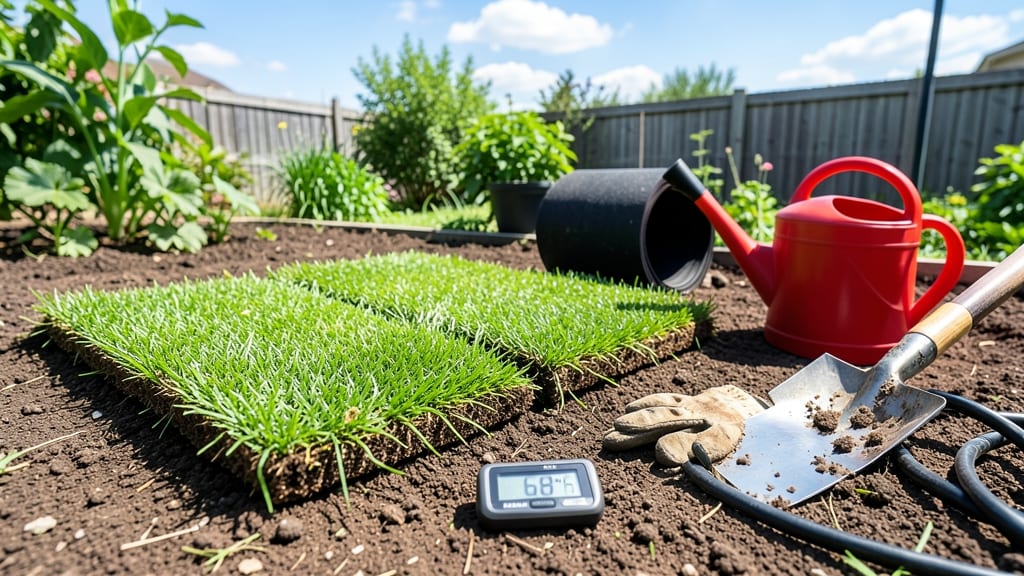
Timing is everything when it comes to planting Bermuda Grass in California—get it wrong, and you’re looking at weak roots, pest problems, or even total failure to take hold.
This drought-tolerant grass thrives in USDA zones 9a-11, but coastal fog, inland heat, and desert conditions create wildly different planting windows that most guides ignore.
If you’ve ever watched your lawn struggle after a late spring planting or wondered why your neighbor’s Bermuda grass looks lush while yours fights for survival, the answer likely lies in microclimate timing.
Whether you’re in frost-free San Diego or the hotter Central Valley, knowing when to plant—spring or early fall—can mean the difference between a thick, vibrant lawn and a patchy disappointment.
I’ve spent years testing Bermuda grass establishment in California’s diverse regions, and what I’m about to share will help you avoid common pitfalls. From soil temperature checks to adjusting for coastal delays or desert heat, we’ll cover exactly when to plant for strong, resilient growth—no guesswork required.
Ready to transform your yard? Let’s dive into the region-specific planting windows that will give your Bermuda grass the best possible start—no matter where you live in the Golden State.
California’s ideal Bermuda grass planting windows by region (coastal vs. inland vs. desert)
California’s diverse climate means Bermuda grass planting times vary dramatically between regions. Coastal areas like San Francisco thrive with fall planting, while inland deserts like Palm Springs demand spring planting to beat the heat. Let’s break down the best months for each microclimate to ensure strong establishment.
For coastal California (USDA zones 9a-10a), aim for August through September when soil temperatures hover around 65-75°F. The cooler ocean breezes reduce heat stress on young seedlings. In contrast, inland valleys (9b-11) should plant in April-May to capitalize on warming soils before summer’s peak.
The Southern Desert (like the Coachella Valley) has the tightest window: March-April. Planting later risks 100°F+ soil temperatures, which can scorch seeds. Even Bermuda’s heat tolerance has limits during germination.
Here’s how soil temperature dictates planting success across regions:
| Region | Optimal Planting Months | Soil Temp Threshold | Frost Risk | Key Tip |
|---|---|---|---|---|
| Northern Coast (San Francisco) | August–September | 65–75°F | Low (occasional fog) | Use shade cloth if planting late |
| Central Valley (Sacramento) | April–May | 70–80°F | Moderate (high elevations) | Test soil moisture weekly |
| Southern Desert (Palm Springs) | March–April | 60–70°F | None | Water deeply at dusk |
In coastal regions, September planting gives seedlings time to establish before winter rains. The Central Valley benefits from spring planting to avoid summer drought stress, while desert areas must plant early to prevent heat shock during germination.
Pro tip: Use a soil thermometer to confirm temperatures. Bermuda grass seeds won’t germinate below 65°F, even in ideal months. Coastal gardeners should also monitor fog patterns—persistent morning fog can delay germination by 1-2 weeks.
For high-elevation areas (like the Sierra foothills), extend planting into late May to avoid late-spring frosts. These zones require frost cloth if planting in April, as temperatures can dip below 32°F unexpectedly.
Remember: Bermuda grass is warm-season, meaning it thrives when soil stays above 60°F. Planting outside these windows risks thin, patchy growth or increased disease pressure from fungal pathogens like brown patch.
If you miss the ideal window, don’t panic—sod installation can work in May-June for inland areas, but seed must wait for cooler fall. Always prioritize soil temperature over calendar months for best results.
🌱
Key signs your soil is ready for Bermuda grass (beyond just months)
California’s soil temperature and moisture levels matter just as much as the calendar when planting Bermuda grass. Even if you’ve picked the right month, cold or soggy soil can stall germination or invite disease. I’ve learned to check these three key signs before digging in.
First, soil warmth is critical—Bermuda grass needs soil temps of at least 65°F (18°C) to sprout. Use a soil thermometer (or your elbow: if it feels warm like a fresh-baked pie crust, it’s ready).
Coastal areas like San Francisco may need to wait until late May, while inland Sacramento can start as early as March.
Next, moisture balance is tricky. Bermuda grass hates waterlogged soil but also struggles in bone-dry dirt. Press your finger 2 inches deep—if it feels damp but not soggy, you’re good to go.
In clay-heavy soils (common in Southern California), mix in compost or sand to improve drainage before planting.
Finally, pH levels should sit between 6.0 and 7.0. Test your soil with a home kit or send a sample to your local UCCE extension office.
If it’s too acidic (below 6.0), add lime; if alkaline (above 7.5), work in sulfur or peat moss. Bermuda grass thrives in slightly acidic to neutral soil, so don’t skip this step!
🌱 WARNING: Avoid These Soil Mistakes!
Planting Bermuda grass in cold soil (below 60°F) will delay germination by weeks, leaving it vulnerable to fungal diseases like brown patch. Similarly, overwatering right after planting suffocates seeds—stick to light misting until sprouts appear.
In desert regions (e.g., Palm Springs), shade cloth during peak summer heat can prevent seed desiccation. Always test soil moisture before watering—Bermuda grass roots need air as much as water!
One more pro tip: Clear debris like weeds or rocks before planting. Bermuda grass spreads aggressively, and competition will stunt its growth. Use a broadcast spreader for seeds or lay sod on a smooth, weed-free surface.
If you’re in a high-traffic area, like a sports field, consider hydraulic sodding for faster establishment.
After planting, monitor soil moisture closely for the first 30 days. Bermuda grass needs consistent watering but hates soggy conditions. Aim for 1–1.5 inches per week, watering early morning to reduce evaporation.
In coastal fog zones, you might need to water less frequently—humidity helps retain moisture.
Remember, California’s microclimates create wildly different conditions. What works in humid Eureka (coastal) may fail in dry Bakersfield (desert). Always adjust for your local climate, and don’t rush—patience is key to a lush, healthy lawn! 🌱