
Plants
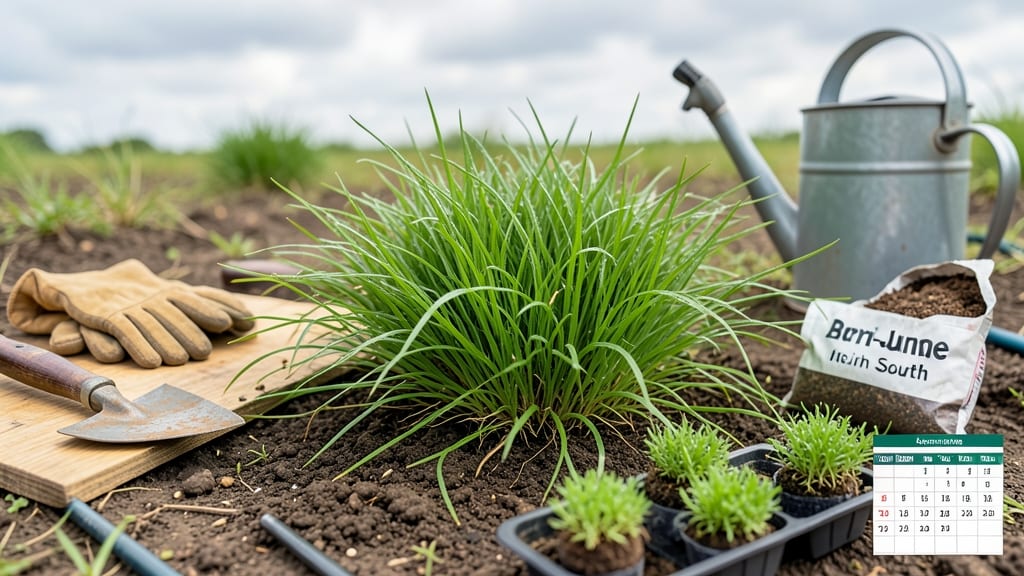
Planting Bermuda grass at the wrong time in the South can mean the difference between a lush, green lawn and months of bare soil—so timing is everything.
With its love for warmth and sun, Bermuda grass 🌱 needs precise conditions to thrive, especially in USDA Zones 7b-11 where temperatures swing dramatically between seasons.
If you're in Texas, Florida, or Georgia, you know that spring planting (March-May) is your best bet, but rushing too early can leave your seeds struggling in cool soil. The key? Waiting until soil temperatures hit 58°F-68°F—that's when those tiny seeds finally wake up and start growing.
But here's the catch: planting too late in summer can stress your grass before it even takes root.
I’ve seen firsthand how a few weeks can make or break a lawn—whether it’s watching a neighbor’s Bermuda grass sprout like magic after perfect timing or seeing patches fail because they planted too soon.
Let’s break down the exact windows, soil prep secrets, and common mistakes to help you get it right the first time.
Ready to transform your yard? You’ll learn how to check soil temps, adjust for your specific zone, and avoid the 3 biggest planting blunders that kill Bermuda grass before it starts. Let’s make sure your lawn gets off to the strongest possible start.
Optimal soil temperature ranges for planting Bermuda grass in Southern states
Bermuda grass thrives in warm Southern climates, but getting the soil temperature right is the secret to fast germination. Unlike cool-season grasses, Bermuda needs consistent warmth—planting too early can stunt growth, while waiting too long risks summer heat stress.
The ideal window depends on your region, with 58°F–78°F being the magic range for most of the South.
Soil that’s too cold (below 55°F) delays germination, while temperatures above 80°F can dry out seeds before they sprout. This balance is why timing varies from Florida’s coastal heat to Texas’ inland fluctuations. Let’s break down the exact thresholds for your area to avoid costly mistakes.
To check your soil temperature, use a soil thermometer at a depth of 2–4 inches. Monitor for 5+ consecutive days above the minimum viable temp before planting. For example, in Atlanta (Zone 7b), aim for late April when soil hits 60°F+ consistently.
In Miami (Zone 10b), wait until March when temps stabilize at 68°F+.
If your soil is too cold, try black plastic mulch to raise temperatures by 5–10°F over 2–3 weeks. Lay it down 1–2 weeks before planting to create a warmer microclimate. This trick works especially well in South Carolina’s coastal plain or Alabama’s Piedmont region, where spring temps swing wildly.
Bermuda grass seeds need moisture + warmth to germinate. If your soil is too hot (above 80°F), seeds may dry out before sprouting. In Deep South states like Mississippi, avoid planting after mid-May—instead, opt for late summer (August–September) when temps cool slightly.
Always water deeply twice daily for the first week after planting to maintain moisture.
Pro tip: In Zone 7b–8a, test soil temps in morning and evening—evenings can drop below the ideal range, stalling germination. Use a minimum-maximum thermometer to track fluctuations accurately. Adjust your planting date if nighttime temps dip below 55°F for more than 3 nights in a row.
Soil pH also affects germination—aim for 6.0–7.5. Test your soil 4–6 weeks before planting. If it’s too acidic (below 6.0), add pelletized lime 2–3 weeks before seeding. This ensures your Bermuda grass gets the optimal growing conditions from day one.
Remember: Bermuda grass is aggressive and fast-growing once established, but only if planted at the right time. Rushing the process can lead to patchy lawns or fungal issues.
Take the time to monitor soil temps and prep your yard—your future lawn will thank you with dense, green coverage all summer long.
Zone-specific planting deadlines: spring vs. fall timelines for the South
Timing your Bermuda grass planting is critical in the South, where USDA zones 7–10 create wildly different conditions. Miss the window, and you’ll face slow germination, fungal rot, or even winterkill.
Let’s break down the exact deadlines by zone, including the 60-day rule for fall planting and how to adjust for early frosts or heatwaves.
Spring planting is the gold standard for Bermuda grass in the South, but the perfect window shifts depending on your location.
For example, gardeners in Zone 9–10 (like Miami or San Antonio) can start as early as February 1, while those in Zone 7 (like Atlanta or Raleigh) should wait until April 15–May 1. The key?
Planting 2–3 weeks after your last frost date when soil temperatures consistently stay above 60°F.
🌱 Pro Tip: Use a soil thermometer to confirm temperatures at 2–4 inches deep—this is the real indicator, not just air temperature. In Zone 8 (Orlando, Houston), aim for March 1–March 30, but avoid planting before February 28 to prevent winterkill if late frosts hit.
3 Critical Deadlines You Must Follow
-
1. Spring Planting (Zones 7–10): Plant no earlier than 2–3 weeks after your last frost date. Key examples:
- Zone 7 (Atlanta/Raleigh): April 15–May 1 (soil must stay above 60°F for 7+ days).
- Zone 8 (Orlando/Houston): March 1–March 30 (avoid planting before February 28).
- Zone 9–10 (Miami/San Antonio): February 1–March 15 (heat risk after March 15).
-
2. Fall Planting (Zones 7–9 only): Bermuda grass must be planted 60–75 days before your first frost. Deadlines:
- Zone 7: August 1–September 15 (frost risk by October 15).
- Zone 8: September 1–October 1 (frost risk by November 1).
- Zone 9: Avoid fall planting (too warm; opt for spring only).
-
3. Avoid These Mistakes:
- Planting in summer (June–August) leads to drought stress.
- Skipping soil prep (Bermuda needs well-draining soil with pH 6.0–7.5).
- Mixing with cool-season grasses (e.g., fescue) in the same bed.
⚠️ Zone 7 Warning: If you’re in the northern edge of Zone 7 (e.g., Nashville, Virginia), treat Bermuda grass as an annual—plant only in spring.
Fall plantings rarely survive winter due to freeze-sensitive rhizomes. Even in milder Zone 7b areas, late fall plantings may struggle to establish before dormancy sets in.
For fall plantings, the 60-day rule is non-negotiable. Count backward from your average first frost date (e.g., October 15 in Zone 7) and plant by August 15.
In Zone 8, you’ve got a slightly longer window (plant by September 30), but don’t push it—Bermuda grass needs 6–8 weeks to establish roots before winter dormancy.
🌡️ Heatwave Adjustment: If your area experiences unusually hot springs (e.g., Texas in April), delay planting until after May 1 to avoid seed desiccation. Monitor air temperatures—if they exceed 90°F for more than 3 days, your soil may be too hot for germination.
Use shade cloth or plant in early morning to protect seedlings.