
Plants
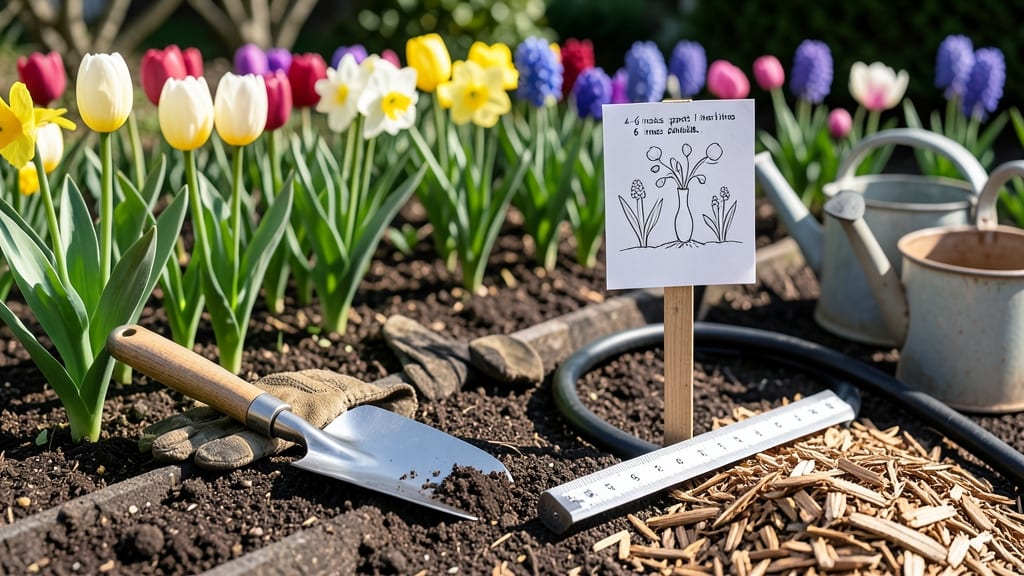
Timing is everything when it comes to planting bulbs in Zone 7b—get it wrong, and you might as well flush your spring blooms down the drain.
The difference between a thriving garden and wasted effort often boils down to those 6-8 weeks before the ground freezes, a window that can feel like a moving target in this transitional climate.
Here’s the thing: Zone 7b’s mild winters mean you’ve got a second chance with early spring planting, but fall is still the gold standard for most bulbs. Whether you’re dreaming of daffodils or tulips, understanding your local frost dates—and how to work with them—is the key to success.
Let’s break down the exact timing, soil prep secrets, and which bulbs play by the rules (and which don’t).
You might think all bulbs follow the same schedule, but some—like crocuses—are early risers, while others need extra protection from Zone 7b’s occasional late frosts.
I’ll show you how to adjust planting depth, choose the right varieties, and even troubleshoot common mistakes that turn your garden into a graveyard of missed opportunities.
Ready to turn your yard into a springtime showstopper? Grab your gloves, and let’s get those 🌱 bulbs in the ground at the perfect moment—because in Zone 7b, patience (and timing) really do pay off.
Optimal fall planting dates for Zone 7b bulbs (with frost timing guide)
Zone 7b gardeners have a 6-8 week window to plant bulbs in fall for zero-frost survival. Unlike colder zones, our mild winters (avg. lows of 10-15°F) create flexibility—but timing is critical.
Plant too early, and bulbs may sprout prematurely before winter sets in. Plant too late, and they won’t establish roots before hard frosts arrive.
Your last-frost date (typically mid-November in Zone 7b) determines the deadline. Aim to plant bulbs 6 weeks before the ground freezes solid. For most of Zone 7b, this means mid-October to early November.
Use your local USDA frost calendar as your guide—some inland areas may need to plant by late October.
Soil temperature is the secret weapon for Zone 7b success. Bulbs need 60°F soil to start rooting but can’t tolerate consistent freezing. Test your soil with a thermometer—when temps drop below 50°F at night, it’s time to plant.
In northern Zone 7b (e.g., parts of Virginia), this happens by mid-October; in southern areas (e.g., North Carolina), you might have until early November.
🌱 Zone 7b Fall Bulb Planting Timeline
| Stage | Action | Soil Temp | Zone 7b Window |
|---|---|---|---|
| Soil Prep | Amend with compost; loosen soil to 12" depth | 60-70°F | Late August - Mid-September |
| Planting | Bulbs 6-8" deep; 3x bulb width apart | 50-60°F | Mid-October - Early November |
| Mulch | Apply 3" mulch after ground freezes | Below 40°F | Late November - December |
| Winter Check | Ensure mulch covers bulbs; no heaving | Below 32°F | January - February |
Pro tip: Use daffodils or alliums as your test bulbs—they’re the most frost-hardy and will tell you if your timing is right. If they bloom next spring, you’ve nailed it!
For tulips or hyacinths, which are less cold-tolerant, stick to the earlier end of the window (mid-October).
Zone 7b’s unpredictable frost patterns can throw off even experienced gardeners. Some years, a late October frost hits early, while others, December thaws trick you into thinking winter’s over. To hedge your bets, plant 20% of your bulbs in early October and the rest by mid-November.
This staggered approach ensures at least some bulbs survive unexpected cold snaps.
Don’t overlook soil drainage—it’s the #1 killer of Zone 7b bulbs. Heavy clay soils or low spots can cause bulbs to rot before winter. Amend with sand or perlite if needed, and always plant on a slight slope to prevent water pooling.
A 5-minute drainage test (dig a hole, fill with water—if it doesn’t drain in 1 hour, fix it!) can save your entire bulb garden.
If you miss the fall window, don’t panic! Zone 7b’s mild winters allow for early spring planting (as soon as soil is workable, usually February). While spring-planted bulbs may bloom later or less vigorously, they’ll still thrive.
Just avoid planting after March—bulbs need 6-8 weeks to establish roots before summer heat arrives.
Mark your calendar for October 15th—this is the sweet spot for most of Zone 7b. By then, soil temps have dropped enough to trigger dormancy, but frosts haven’t yet locked the ground.
Set a reminder to prep soil, buy bulbs, and test drainage—your spring garden depends on it!
For container gardening in Zone 7b, plant bulbs in well-draining pots by late September. Containers warm up faster and can freeze solid in winter, so add extra mulch and
Best bulbs for Zone 7b's mild winters (and when to plant each type)
Zone 7b's mild winters and extended growing season make it ideal for a wide variety of bulbs—but not all thrive equally. Some, like daffodils and alliums, handle our 20-30°F dips with ease, while others, like tulips, need extra care.
The key? Planting at the right time and choosing bulbs that match your microclimate.
For fall planting (the best time for most bulbs), aim for 6-8 weeks before hard frost. In Zone 7b, that’s typically mid-October to early November.
If you miss that window, early spring planting (February-March) works for hardy varieties like daffodils and crocuses, but avoid planting tender bulbs like gladiolus until soil warms.
Pro Tip: Use a soil thermometer to check for 50-60°F soil temps—the sweet spot for bulb roots to establish before winter. If temps drop below 40°F, roots may stall, leaving bulbs vulnerable to rot or frost heave.
🌱 Zone 7b Bulb Planting Guide
| Bulb Type | Best Planting Time | Depth (inches) | Winter Care Tip |
|---|---|---|---|
| Daffodils | Fall: Oct-Nov | 6-8" | Tolerates 20°F; mulch lightly |
| Tulips | Fall: Oct-Nov | 6-8" | Plant in partial shade; mulch 2-3" |
| Crocuses | Fall: Sept-Nov | 3-4" | Early bloomers; no mulch needed |
| Alliums | Fall: Oct-Nov | 6-8" | Drought-tolerant; full sun preferred |
| Hyacinths | Fall: Oct-Nov | 6" | Needs well-draining soil; mulch 1" |
⚠️ Spring Planting? Only hardy bulbs like daffodils and crocuses thrive when planted in February-March. Tender bulbs (e.g., gladiolus) must wait until soil reaches 60°F.
For Zone 7b’s unpredictable frost patterns, consider layered planting: tuck crocuses (early bloomers) near the surface, then deeper bulbs like tulips or daffodils.
This creates a staggered bloom sequence from late winter through spring. Just remember: never fertilize in fall—it encourages tender new growth that won’t survive frost.
If you’re new to bulbs, start with daffodils or alliums—they’re the most forgiving for Zone 7b’s mild but variable winters. For a showstopping display, mix 3-5 bulb types in the same bed, varying heights and bloom times for continuous color.
Just plant them in odd-numbered groupings (3, 5, or 7 bulbs) for a natural, full look.