
Plants
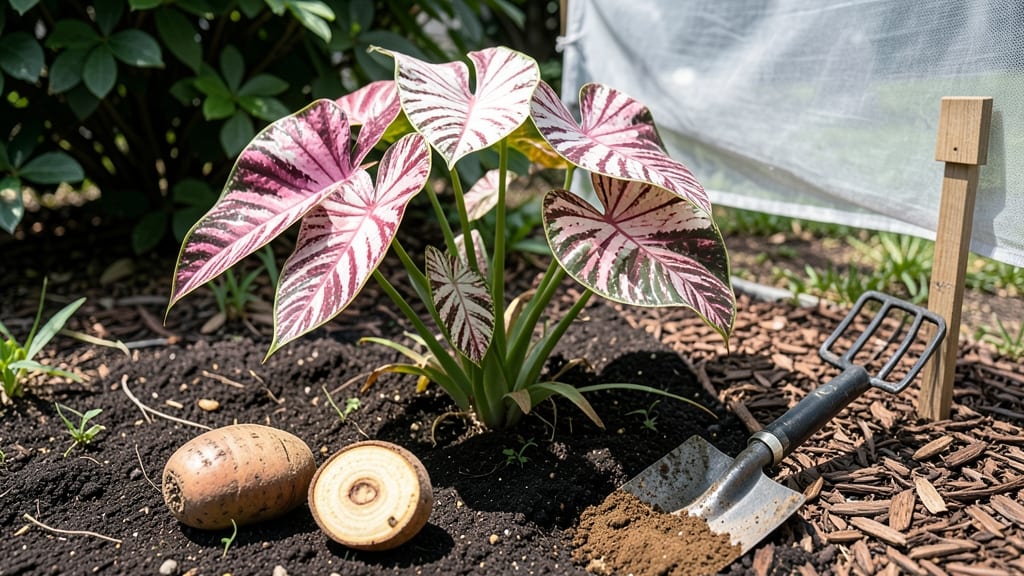
Planting caladiums in Texas might seem tricky—after all, those vibrant 🌿 leaves need just the right conditions to shine. The key isn’t just dropping tubers in the ground; it’s timing them perfectly after the last frost, when soil warms up enough to support their tropical roots.
Texas gardeners know the struggle: plant too early, and your caladiums will fry in unexpected late frosts. Too late, and you’ll miss the sweet spot for lush foliage before summer’s brutal heat kicks in.
The ideal window—March to April—balances warmth and moisture, giving your plants the best shot at thriving.
But here’s the game-changer: not all of Texas is created equal. North Texas (Zone 8a) has different frost dates than South Texas (Zone 11), meaning your planting schedule should shift accordingly.
I’ll break down exactly when to plant in your specific region, plus the heat-resistant varieties that won’t wilt under Texas sun.
Ready to transform your garden into a caladium paradise? Let’s dive into the step-by-step timing and care tips that’ll keep those stunning leaves looking their best all season long.
Optimal planting timeline for caladiums in Texas regions
Texas’s diverse climate means caladiums thrive best when planted after the last frost, but timing varies by region.
In North Texas (Zones 7b-8a), wait until mid-April when soil reaches 60°F+. Central Texas (Zones 8a-8b) gardeners can plant as early as late March, while South Texas (Zones 9a-11) enjoys a longer window—start in February for early blooms.
Check your local frost dates (average last frost in Austin: March 15, Dallas: March 1, Houston: February 28) to avoid frost damage. Caladiums are tender perennials that won’t survive freezing temps, so never plant before the last frost—even if tubers are hardy, new shoots are not.
Soil temperature is critical: caladiums need warm soil (60°F+) to sprout. Use a soil thermometer to confirm—cold soil delays growth. In North Texas, this often means waiting until late April for ideal conditions.
For container gardening, you can start tubers indoors 4-6 weeks before your region’s last frost date. Place them in moist potting mix at 70°F to encourage early sprouting, then transplant outdoors after frost risk passes.
Pro Tip: In South Texas, where summers are scorching, plant caladiums in early spring (February) to beat the worst heat. They’ll enter dormancy by late summer, so focus on foliage display in spring/early fall.
🌱
After planting, mulch heavily (2-3 inches) to retain moisture and regulate soil temperature. In North Texas, this helps protect roots from late spring frosts, while in South Texas, it prevents soil from drying too quickly in scorching heat.
For extended blooms, plant caladiums in stages—every 2-3 weeks—so you have continuous foliage from spring through early fall. For example, start with early March plantings in South Texas and add April plantings in North Texas.
Monitor for leaf scorch in full sun—caladiums prefer partial shade (4-6 hours of morning sun). In West Texas, where shade is scarce, plant near trees or structures to filter harsh afternoon rays.
🌿
If you miss the spring planting window, don’t despair! Caladiums can also be planted in late summer (August) for a fall display. Just ensure they have 6-8 weeks of warm weather to establish before first frost.
Optimal planting timeline for caladiums in Texas regions
Texas’s diverse climate means planting caladiums varies dramatically from North to South Texas. In North Texas (Zones 7b-8a), wait until mid-April after the last frost date (typically March 15), when soil temperatures exceed 60°F.
In Central Texas (Zones 8a-8b), you can start as early as late March, while South Texas (Zones 9a-11) gardeners can plant in February—just before the brutal summer heat peaks.
Caladiums thrive in warm soil and humid conditions, so timing your planting to align with Texas’s spring humidity surge (March-May) gives them the best start. Soil temperature is your best guide—use a soil thermometer to confirm it’s consistently above 60°F before planting.
This prevents root shock and ensures robust foliage growth.
| Texas Region | USDA Zone | Last Frost Date | Optimal Planting Window | Soil Temp Requirement |
|---|---|---|---|---|
| North Texas | 7b-8a | Mid-March | Mid-April | ≥60°F |
| Central Texas | 8a-8b | Late February | Late March | ≥60°F |
| South Texas | 9a-11 | None (tropical) | February-March | ≥65°F |
For container gardening, you can push planting dates slightly earlier in North and Central Texas by using black plastic pots to warm the soil faster.
In South Texas, where summers are relentless, aim to plant by mid-March to avoid leaf scorch from intense afternoon sun. Morning shade (e.g., under trees or patio umbrellas) is critical for all regions.
If you miss the spring window, don’t despair—caladiums can also be planted in late summer (August-September) for a fall display. This works best in Central and South Texas, where temperatures remain mild.
Just ensure tubers are planted 6-8 weeks before the first frost (typically November 15 in North Texas, later in the south).
Pro tip: Pre-soak tubers for 1-2 hours before planting to kickstart root growth. This is especially helpful in dry North Texas, where soil can be slow to retain moisture.
Pair this with a 2-inch layer of mulch to lock in humidity and keep roots cool during Texas’s 100°F+ days.
Once planted, caladiums need consistent moisture—water deeply 2-3 times per week in summer to prevent leaf browning. In North Texas, reduce watering slightly in fall as temperatures drop, but keep soil lightly moist until first frost to encourage tuber development for next year.