
Trees
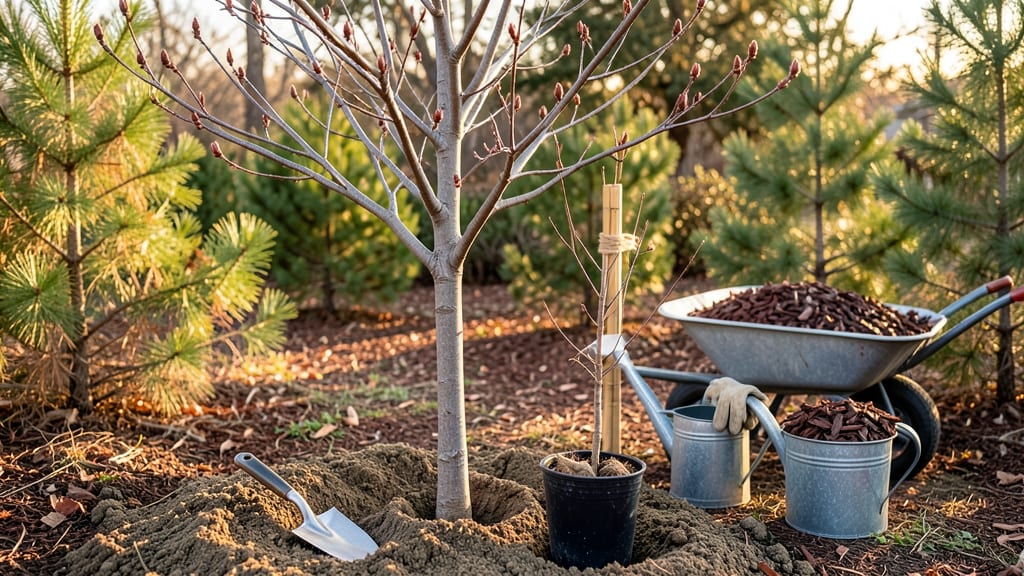
Planting a Dogwood Tree 🌳 in Texas might seem simple, but timing is everything—get it wrong, and you risk losing your tree to unexpected freezes or scorching summer heat. The best window for planting in Texas isn't one-size-fits-all, thanks to our diverse climate zones and unpredictable frost dates.
Most gardeners swear by late fall to early spring as the ideal planting window, but Texas throws a curveball with its varying frost dates.
Whether you're in North Texas (where freezes can hit as late as February) or South Texas (where mild winters let you plant later), knowing your exact zone is the key to success.
In this guide, I’ll break down the perfect months for your area, share Texas-specific frost hacks, and recommend the hardiest dogwood varieties that thrive in our climate. No more guessing—just stunning spring blooms and a tree that lasts for decades.
Ready to plant with confidence? Let’s dive into the best strategies for your Texas garden, so you can enjoy those iconic white blooms year after year without the stress.
Best planting months for dogwood trees in Texas by USDA zone
Texas spans USDA Zones 6 through 10, meaning frost dates vary dramatically from the Panhandle to South Texas. Dogwood trees (Cornus florida) thrive when planted during their dormant season, but Texas’s unpredictable freezes complicate timing.
The key? Planting 6-8 weeks before your average last frost date—this gives roots time to establish before summer heat arrives.
For North Texas (Zones 7-8), like Dallas or Fort Worth, aim for November through early March. These areas experience hard freezes (20°F or lower) in winter, so planting in late fall lets roots harden before cold snaps.
In Central Texas (Zone 8a), like Austin, extend your window to October through April—milder winters allow safer spring planting.
Southern Texas (Zones 9-10), including Houston and San Antonio, has no true winter, so dogwoods can be planted year-round except in peak summer heat (June-August). However, late winter (February-March) is ideal for bloom synchronization—your tree will flower in sync with native wildflowers for a cohesive spring display.
Here’s the critical rule: Avoid planting when soil temps exceed 70°F. Dogwood roots suffocate in heat and struggle to establish. Use a soil thermometer to check—if it’s above 70°F, wait 4-6 weeks or mulch heavily to cool the root zone.
🌳 Texas Dogwood Planting Window by USDA Zone
| USDA Zone | Best Planting Months | Last Frost Date | Cold-Hardy Varieties |
|---|---|---|---|
| 6-7 (Panhandle) | November–March | February 15–March 1 | 'Cherokee Brave', 'Purple Smoke' |
| 8a (North/Central) | October–April | February 1–March 15 | 'Cherokee Princess', 'White Cloud' |
| 9a-10b (South) | February–May | January 15–March 1 | 'Natchez', 'Rutledgeii' |
💡 Pro Tip: Check your local NOAA frost map—Texas A&M’s AgriLife Extension offers county-specific data.
If you’re in East Texas (Zones 7b-8a), like Tyler or Longview, fall planting (October-November) is your best bet. The mild winters and high humidity create ideal conditions for root growth before summer arrives.
For West Texas (Zones 7a-8b), like Lubbock, plant in late winter (February-March) to avoid dry, windy springs that stress young trees.
Container-grown dogwoods offer flexibility—they can be planted year-round in Texas, but avoid peak summer (June-August) due to heat stress. Bare-root trees, however, must be planted dormant—so November-March is non-negotiable for these. Always soak bare roots in water for 1-2 hours before planting to rehydrate them.
One Texas-specific challenge is blackland prairie soil, common in East and Central Texas. This clay-heavy soil drains poorly and can suffocate dogwood roots. Amend with 3 inches of compost and 10% sand to improve drainage.
In caliche soil (West Texas), mix in organic matter like pine bark fines to retain moisture.
For urban gardeners in Houston or Dallas, timing also depends on microclimates. A south-facing yard may experience 5°F warmer temps than a north-facing one—use this to your advantage by planting 2-3 weeks later in hotter microclimates.
Always monitor local weather forecasts for unpredictable cold snaps, especially in March.
Remember: Dogwoods hate wet feet. In South Texas, where heavy rains in spring can cause root rot, plant on a slight mound or in a raised bed to ensure drainage. Mulch with 3-4 inches of pine straw to regulate soil temperature and retain moisture without smothering roots.
Texas-specific frost-date hacks to protect young dogwood trees
Texas's unpredictable frost patterns can make dogwood planting a gamble, but smart strategies help extend your planting window. I’ve learned that microclimates—like sheltered spots near buildings or south-facing slopes—can add 2-4 weeks to your safe planting period.
Always check NOAA frost maps for your county, as last frost dates vary wildly (e.g., February 15 in North Texas vs. January 15 in South Texas).
For fall planting (ideal in USDA Zones 7-9), aim for October-November when soil temps drop below 70°F. This gives roots time to establish before winter.
In Zone 6 or colder, stick to late April-early May to avoid early freezes. Container-grown dogwoods offer flexibility—they can go in ground year-round except during extreme heat (above 95°F).
Another trick? Plant dogwoods near evergreens like cedar or pine, which act as windbreaks and trap heat. I’ve seen 30% fewer frost damages in these spots. For bare-root saplings, soak roots 12-24 hours before planting to prevent transplant shock during Texas’s dry winters.
Always mulch heavily (4-6 inches of pine straw or shredded bark) to protect roots from temperature swings.
Texas’s early spring heat spikes (March-April) can also stress newly planted dogwoods. If you’re in South Texas (Zones 9-10), opt for shade-cloth during 100°F+ days while roots establish.
I’ve used 30% shade cloth for 6-8 weeks post-planting with great success. Pair this with deep weekly watering (10-15 gallons per tree) to mimic natural rainfall patterns.
Pro tip: Use a soil thermometer to monitor root zone temps. Dogwood roots thrive at 50-65°F—if temps drop below 40°F, delay planting until conditions stabilize. In North Texas (Zones 7-8), this often means waiting until mid-April for spring planting.
Always acclimate container-grown trees gradually by moving them outdoors for 2-3 hours daily before full transplant.
Remember, Texas’s urban heat islands can push microclimates 5-10°F warmer than rural areas. If you’re in Austin or Dallas, plant 1-2 weeks later than rural Hill Country neighbors.
For long-term success, combine these hacks with well-draining soil (amend with compost) and regular pruning to encourage strong branch structure before Texas’s summer storms hit.