
Plants
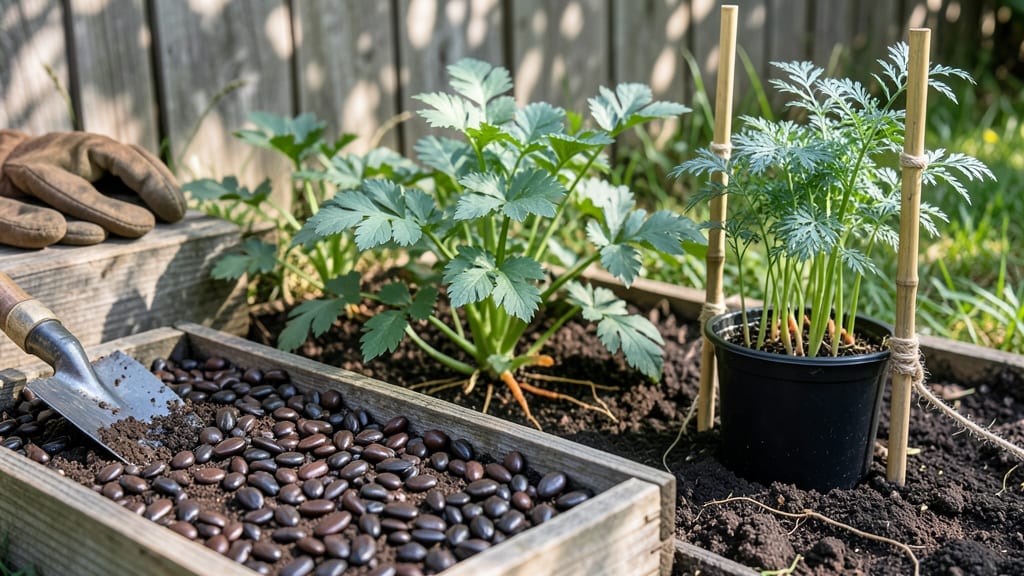
Timing your 🥕 carrot planting in East Tennessee can make the difference between a garden full of sweet, crisp roots and a disappointing harvest.
With the right schedule, you'll enjoy fresh carrots from late spring through early fall—but get it wrong, and you might end up with tough, woody roots or bolting plants.
In Zone 7b, where last frosts typically hit mid-April and first frosts arrive around mid-October, the key is planting early spring (March-April) and late summer (July-August). This two-part strategy gives you a continuous supply of homegrown carrots while avoiding the pitfalls of extreme heat or cold.
What you'll discover in this guide are the precise planting windows tailored to East Tennessee's climate, plus pro tips for preparing your soil and protecting your crop from common challenges like rocky soil or unpredictable weather patterns.
Whether you're a seasoned gardener or just starting out, these insights will help you grow carrots that are sweeter, crispier, and ready to harvest at the perfect time—every single season.
Optimal planting windows for carrots in East Tennessee’s Zone 7b climate
East Tennessee’s Zone 7b climate offers a unique growing window for carrots, but timing is critical to avoid frost damage or woody roots. The ideal time to plant carrots is early spring (March-April) and late summer (July-August), aligning with soil temperatures and daylight hours.
Understanding these windows ensures your carrots grow sweet and crisp rather than bitter or stunted.
Carrots thrive in cool soil temperatures (50-85°F), which makes early spring planting ideal. In East Tennessee, the last frost typically occurs around mid-April, so aim to sow seeds 4-6 weeks before this date.
For fall planting, seeds should go into the ground 8-10 weeks before the first frost (mid-October) to allow for a full harvest before cold sets in.
Here’s a quick reference for your planting schedule based on East Tennessee’s climate:
East Tennessee’s rocky soil can pose challenges for carrot growth, but proper soil preparation makes all the difference. Before planting, loosen the soil to a depth of 12 inches to prevent roots from splitting or growing crooked.
Mix in compost or aged manure to improve drainage and fertility. Avoid planting in areas with high clay content, as this can lead to misshapen roots.
Another critical factor is daylight length. Carrots need 12-14 hours of daylight to grow properly. In East Tennessee, daylight hours peak in June and July, making late summer plantings ideal for a fall harvest.
If you plant too late, your carrots may bolt (go to seed) prematurely due to long daylight hours.
For gardeners in higher elevations, such as the Great Smoky Mountains, adjust your planting timeline by 1-2 weeks later than the general schedule.
Cooler temperatures at higher altitudes can delay soil warming, so monitor soil temperatures with a soil thermometer to ensure they’re within the ideal 50-85°F range before planting.
If you’re unsure about your local frost dates, check the USDA Plant Hardiness Zone Map for your specific location in East Tennessee. Websites like the Old Farmer’s Almanac also provide frost-free date predictions tailored to your area. These resources can help you fine-tune your planting schedule for maximum success.
One common mistake in East Tennessee is planting carrots too early in spring when soils are still cold. If temperatures drop below 50°F, seeds may fail to germinate or seedlings may rot.
To avoid this, use a seedling heat mat or wait until soil temperatures consistently reach 50°F before sowing.
Finally, consider succession planting to extend your harvest. Sow a new batch of carrot seeds every 2-3 weeks from March through July. This ensures a steady supply of fresh carrots from late spring to early fall, even in East Tennessee’s shorter growing season.
With the right timing and soil preparation, you’ll enjoy a bounty of sweet, crisp carrots all season long—no matter where you garden in East Tennessee. Happy planting! 🥕
Optimal planting windows for carrots in East Tennessee’s Zone 7b climate
Timing your carrot planting in East Tennessee’s Zone 7b means balancing soil warmth and frost risks. The last average frost date here is mid-April, so your first planting window opens in late March—but only if your soil reaches 50°F (10°C).
Use a soil thermometer to confirm, as cold soil delays germination. For fall harvests, aim for late July to early August plantings, giving roots time to mature before first frost in mid-October.
Microclimates matter! Valley areas like Knoxville warm up faster than higher elevations near the Great Smoky Mountains. Adjust your planting by 1-2 weeks later in cooler mountain zones.
For example, if you’re at 2,000 feet elevation, wait until early April for spring plantings. This delay prevents seed rot from lingering nighttime chills.
| Planting Window | Soil Temp | Frost Risk | Notes |
|---|---|---|---|
| Late March | 50°F (10°C) | Low (post-last frost) | Use row covers for early starts |
| April-May | 55-65°F (13-18°C) | None | Ideal for sweetest roots |
| July-August | 60°F (15°C) | Low (pre-first frost) | Harvest before October |
Beware of bolting, where carrots flower prematurely due to heat stress or long daylight. In East Tennessee, this risk peaks in late June. To prevent it, choose shade-tolerant varieties like ‘Nantes’ or plant in partial shade during summer.
Mulch with straw to keep soil cool and moist, which also deters carrot rust fly, a common pest in Tennessee gardens.
For succession planting, sow new seeds every 2-3 weeks from March to July. This ensures a continuous harvest from May through October. In rocky East Tennessee soil, loosen beds with a broadfork to prevent forked roots.
Add compost to improve drainage—carrots hate soggy soil! Aim for 1-2 inches of compost mixed into the top 6 inches of soil before planting.
Pro tip: Mark your calendar for June 21, the summer solstice. After this date, carrots may bolt faster due to longer daylight. If you’re planting after June, opt for fast-maturing varieties like ‘Paris Market’ (50 days) or ‘Little Finger’ (55 days) to beat the clock.
Always plant seeds 1/4 inch deep and thin seedlings to 2-3 inches apart—crowding leads to stunted, misshapen roots.
Remember, East Tennessee’s humidity can encourage fungal diseases like leaf blight. Space your rows 12-18 inches apart for airflow and water in the morning to let foliage dry quickly. With these timing tips, you’ll enjoy crisp, homegrown carrots from spring to fall—no grocery store needed! 🥕