
Plants
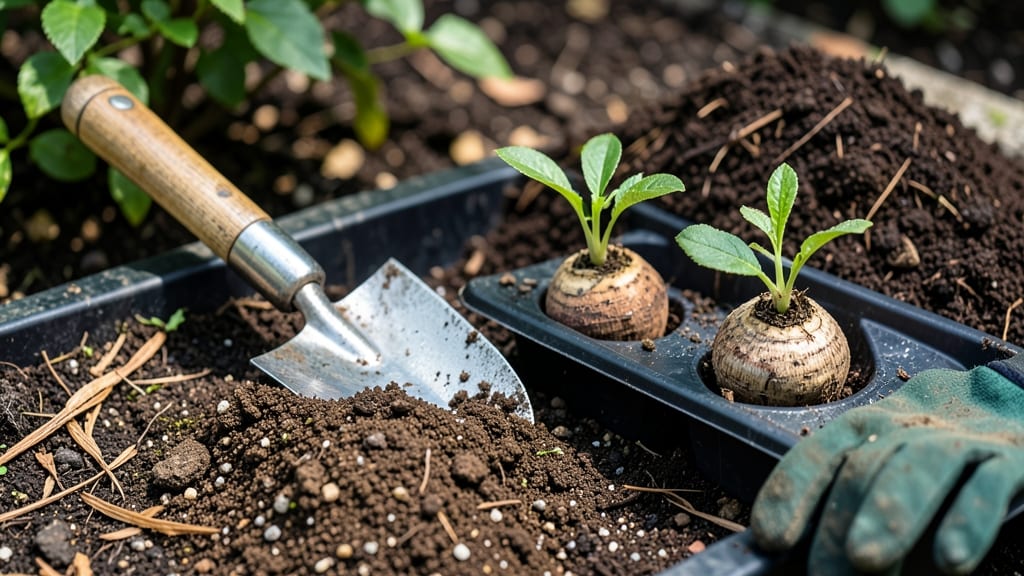
Optimal Kentucky dahlia planting dates based on soil temperature
Kentucky’s Zone 6-7 climate means timing is critical for dahlias—plant too early, and frost will kill tender tubers; too late, and you’ll miss peak blooms. The golden rule: wait until soil warms to 60°F+ and all frost risk has passed.
For Kentucky, this typically lands between mid-April and mid-May, but microclimates vary.
Louisville’s urban heat islands may warm sooner, while rural areas like Paducah lag behind. Use your last frost date (usually April 15) as a baseline, then add 4-6 weeks for tuber establishment. Early varieties can go in sooner, while late bloomers like ‘Café au Lait’ need the full window.
🌱
| Zone 7 Region | Last Frost Date | Ideal Planting Window | Soil Temp Requirement | Notes |
|---|---|---|---|---|
| Lexington | April 10-15 | April 25 - May 10 | 60°F+ | Urban heat speeds soil warming |
| Louisville | April 5-10 | April 20 - May 5 | 60°F+ | City warmth allows earlier planting |
| Northern KY (e.g., Covington) | April 15-20 | May 5 - May 15 | 60°F+ | Cooler microclimate delays planting |
| Western KY (e.g., Paducah) | April 10-15 | April 25 - May 10 | 60°F+ | Similar to Lexington but drier |
To test soil readiness, use a soil thermometer—dahlias refuse to grow in cold soil. If temps dip below 55°F, tubers rot. For extra insurance, plant dwarf varieties like ‘Bishop’ first—they tolerate cooler soils better than towering ‘Galaxy’ types.
Pro tip: Kentucky’s clay-heavy soil holds cold longer. Amend with compost or sand to warm faster. If you’re impatient, use black plastic mulch 2 weeks before planting to raise soil temps by 5-10°F.
🌡️
For container gardening, plant 1-2 weeks earlier since pots warm faster. Just ensure containers have drainage—dahlias hate soggy roots. And remember: Kentucky’s humidity means spacing matters. Crowded plants invite mildew, so give each tuber 12-18 inches of space for airflow.
🌿
Missed the window? Don’t despair. You can still plant potted dahlias in June for late-season color, though blooms will be smaller. The key is to harden off tubers gradually if starting indoors—expose them to Kentucky’s heat in stages over 7-10 days to avoid shock.
☀️
Optimal Kentucky dahlia planting dates based on soil temperature
Kentucky’s Zone 7 climate means your dahlias thrive when planted after the last frost, but timing depends on soil temperature, not just air temperature. Aim for 60°F+ soil—this ensures roots establish quickly before summer heat arrives.
In Lexington, this typically falls around mid-April to early May, while Louisville’s slightly warmer microclimate may allow planting 1-2 weeks earlier.
Rural areas with cooler nights might need to wait until late May to avoid frost damage. Use a soil thermometer to confirm readiness—dahlias hate cold soil, which can rot tubers.
Early varieties like 'Café au Lait' can handle slightly cooler soil, while tall varieties like 'Thomas Edison' need warmer conditions to reach their full height.
| Location | Last Frost Date | Ideal Planting Window | Soil Temp Check |
|---|---|---|---|
| Lexington | April 15 | April 25 - May 10 | 60°F+ |
| Louisville | April 10 | April 20 - May 5 | 60°F+ |
| Rural KY | May 1 | May 10 - 25 | 60°F+ |
For extended blooms, plant late varieties in early June—they’ll flourish through September before frost. However, avoid planting after July 1st, as tubers won’t establish roots before winter dormancy. Kentucky’s humidity and summer heat demand quick root growth, so don’t delay once soil warms.
Pro tip: Use black plastic mulch to warm soil faster in cooler areas. This can shave 1-2 weeks off your planting timeline by raising soil temps by 5-10°F. Just remove it once plants emerge to prevent overheating.
If you’re starting tubers indoors (for early blooms), begin 6-8 weeks before your target outdoor planting date. Use well-draining pots and keep temps around 70°F—dahlias despise soggy roots. Harden off seedlings for 7-10 days before transplanting to avoid shock.
Remember: Dahlias are frost-sensitive—even a light frost can kill emerging shoots. Monitor your local National Weather Service alerts for late frosts, especially in higher-elevation areas like the Cumberland Plateau. A row cover can buy you 1-2 extra weeks of protection if frost threatens.