
Plants
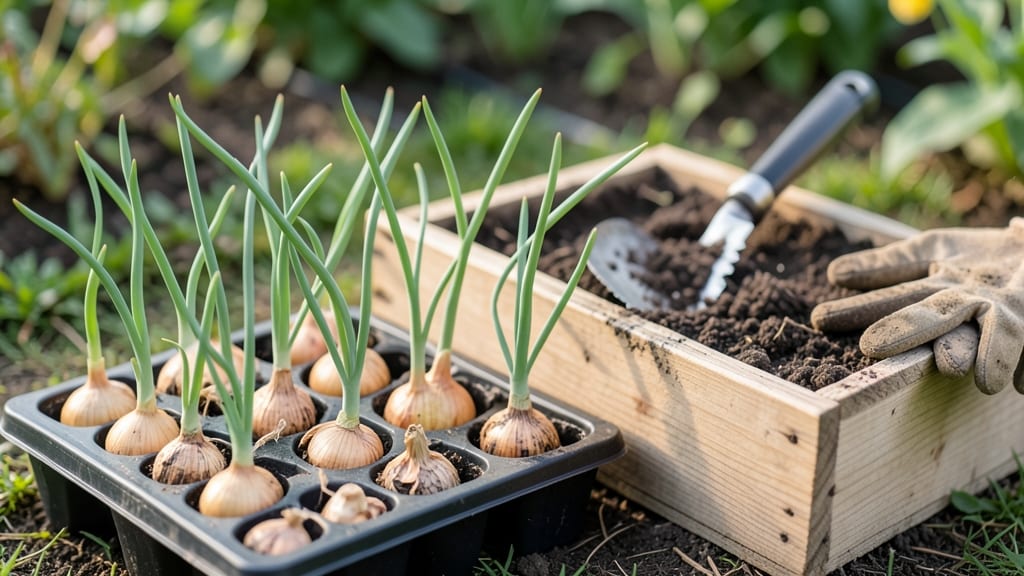
Timing your fall onion 🧅 planting in Zone 7 can mean the difference between sweet, tender bulbs and bitter, wasted effort. Unlike spring onions, these varieties need precise scheduling to mature before frost—so if you’ve ever struggled with uneven harvests, you’re not alone.
The key is planting 8-10 weeks before your first frost, which in Zone 7 typically lands between mid-August and early September. This window ensures bulbs develop properly without bolting or rotting, giving you a reliable harvest from late fall through winter.
But here’s the catch: soil temperature and variety matter just as much as the calendar.
In this guide, I’ll walk you through the exact planting timeline, how to adjust for short-day vs. intermediate-day varieties, and the simple care steps that keep your onions thriving. Whether you’re starting from sets or seeds, you’ll leave with a clear, actionable plan—no guesswork required.
Let’s get those fall onions 🧅 in the ground at the perfect moment so you can enjoy fresh harvests all season long. Ready to nail your planting schedule?
Zone 7 fall onion planting dates: exact timeline for bulb formation
Fall onions thrive in Zone 7 when planted during a precise 8-10 week window before your first frost. This timing ensures bulbs mature fully before cold weather sets in, delivering sweet, tender onions perfect for late-season meals.
The key is understanding your local frost dates, soil temperatures, and variety-specific needs to avoid common pitfalls like bolting or frost damage.
In Zone 7, most gardeners aim to transplant onion sets or sow seeds between mid-August and early September. This window gives bulbs enough time to grow while avoiding the heat stress of summer planting.
For example, if your first frost typically hits November 15th, you’ll want to plant by September 1st to ensure a full harvest before winter.
Soil temperature plays a crucial role—ideal conditions range between 50°F and 70°F. Cooler soils slow growth, while warmer temperatures can trigger bolting (flowering). Test your soil before planting; if it’s above 75°F, wait a week or two to let it cool down.
Here’s how to calculate your exact planting window: Check your average first frost date (common Zone 7 cities like Raleigh, NC, and Richmond, VA, average November 15th), then count backward 8-10 weeks.
For instance, if frost arrives November 15th, plant between September 4th and September 25th for optimal results.
🌱 Pro Tip: Use a frost date calculator like the Old Farmer’s Almanac or your local cooperative extension service for hyper-local precision. Even a 1-week difference can mean the difference between a bountiful harvest and stunted bulbs.
| Zone 7 City | Avg. First Frost | Ideal Planting Window | Soil Temp. Goal |
|---|---|---|---|
| Raleigh, NC | November 15 | September 4–25 | 50°F–70°F |
| Richmond, VA | November 10 | September 1–22 | 50°F–70°F |
| Atlanta, GA | November 5 | August 25–September 15 | 55°F–65°F |
| St. Louis, MO | November 20 | September 10–October 1 | 50°F–68°F |
Once you’ve nailed down your planting window, focus on soil preparation. Fall onions prefer well-draining, fertile soil with a pH between 6.0 and 7.0. Work in 2–3 inches of compost or aged manure 2 weeks before planting to give roots a nutrient boost.
Avoid fresh manure, which can burn tender onion roots.
Avoid planting fall onions from seed in Zone 7—they take too long to mature. Instead, opt for onion sets (small bulbs) or transplants from a nursery. Sets are easier for beginners and mature faster, giving you a reliable harvest before frost.
Space them 4–6 inches apart in rows 12–18 inches apart to prevent competition and ensure even bulb growth.
After planting, mulch with 2–3 inches of straw to retain moisture, suppress weeds, and protect bulbs from temperature swings. This step is especially critical in Zone 7, where nights can drop quickly in late September.
Water deeply once a week, aiming for 1 inch of water per week, and reduce slightly as harvest nears to toughen the skins.
💧 Watering Warning: Overwatering in the final weeks can lead to soft, rot-prone bulbs. Always water at the soil line—not the leaves—to prevent fungal diseases like onion smut. Aim for morning watering to let foliage dry before evening.
With the right timing and care, your fall onions will be ready to harvest 10–12 weeks after planting, just as the weather cools. Look for tops to yellow and fall over—a sure sign bulbs are mature and ready to store or cook.
Store them in a cool, dry place for up to 6 months to enjoy homegrown flavor all winter.
How to adjust planting for different fall onion varieties (short-day vs. intermediate-day)
Not all fall onions respond the same to Zone 7’s climate. Short-day varieties like ‘Texas Early White’ need earlier planting to form bulbs, while intermediate-day types like ‘Yellow Granex’ adapt better to later starts.
Your choice affects not just timing but also spacing and bulb size. Let’s break down the specifics so you can pick the perfect variety for your harvest goals.
Short-day onions thrive when planted 8-10 weeks before your first frost—typically mid-August in Zone 7. These varieties, bred for southern climates, rush to bulb formation when daylight shortens. Intermediate-day onions, however, tolerate later planting (even early September) because they don’t rely as heavily on daylight cues.
This flexibility makes them ideal for gardeners who miss the early window.
Here’s the key difference: short-day onions need 10-12 hours of daylight to trigger bulb development, while intermediate-day types bulk up with 12-14 hours of light. Zone 7’s late summer daylight (13+ hours) favors intermediate varieties, but short-day types still work if planted earlier.
Your local frost date determines the cutoff—aim for 90-120 days to harvest before frost hits.
| Variety Type | Best Planting Window (Zone 7) | Spacing | Bulb Size | Notes |
|---|---|---|---|---|
| Short-Day (e.g., 'Texas Early White') | Mid-August (8-10 weeks before frost) | 4-6 inches apart | Medium (1-2 inches) | Best for early harvests; prone to bolting if planted late |
| Intermediate-Day (e.g., 'Yellow Granex') | Late August to early September | 5-7 inches apart | Large (2-3 inches) | More frost-tolerant; ideal for storage onions |
Spacing matters just as much as timing. Short-day onions need 4-6 inches between plants to prevent competition, while intermediate types can stretch to 5-7 inches for bigger bulbs.
Crowding leads to small, pithy onions—a gardener’s worst nightmare. Use a ruler or spacing tool to ensure even rows, especially when planting sets (young bulbs).
For direct-sown seeds, intermediate varieties like ‘1015Y Yellow’ are my top pick—they mature in 120 days and handle Zone 7’s late-summer heat better than short-day types.
If you’re using onion sets, short-day varieties like ‘Red Creole’ give you a head start, but watch for bolting if temperatures dip below 50°F at night. Mulch with straw to insulate roots and maintain even soil temps.
Pro tip: Mix varieties in your garden! Plant short-day onions in one row and intermediate types in another. This extends your harvest window from October through December. Just label your rows—trust me, you’ll thank yourself when frost hits and you still have sweet onions to pull.
The key is flexibility: adjust your planting date by 1-2 weeks based on weather forecasts, and always prioritize soil temps above 60°F for germination.