
Plants
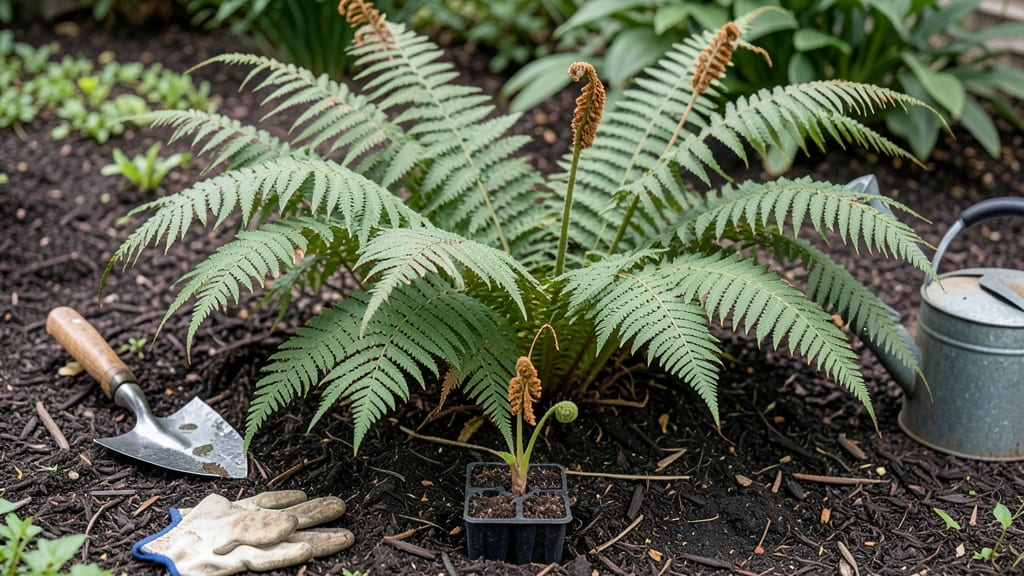
Timing your 🍃 fern planting in Michigan just right can mean the difference between lush, thriving foliage and struggling plants that never quite take off. With Michigan’s USDA Zones 5-6 bringing unpredictable frost dates and shifting seasons, knowing when to plant is the key to success.
Most gardeners swear by spring planting—typically between April and May—when soil temperatures warm up and the risk of late frosts starts to fade. But did you know early fall (September) can also work wonders for certain fern varieties?
The secret lies in understanding your region’s microclimates, whether you’re in the Upper Peninsula or the southern part of the state.
In this guide, I’ll break down the exact planting windows for Michigan’s most popular ferns, including shade-loving varieties like Matteuccia struthiopteris (Ostrich Fern) and Dryopteris marginalis (Marginal Wood Fern).
You’ll also discover how to prep your soil, choose the right location, and avoid common mistakes that trip up even experienced gardeners.
Ready to transform your garden into a verdant retreat? Let’s dive into the perfect timing for planting ferns that will flourish all season long—no guesswork required.
Best planting times for ferns in Michigan’s zones 5-6 (with frost risk guide)
Michigan’s USDA Zones 5-6 offer perfect conditions for ferns, but getting the timing right is everything. Unlike warm-season plants, ferns thrive in cool, moist soil—so planting too early or late can stunt their growth or even kill them.
The ideal window depends on whether you’re planting in spring or fall, and Michigan’s variable frost dates add extra complexity.
Most gardeners in Michigan plant ferns in early spring (April–May) or early fall (September). Spring planting gives ferns time to establish roots before summer heat, while fall planting allows them to settle before winter dormancy.
However, last frost dates vary dramatically—from early April in southern Michigan to mid-May in the Upper Peninsula. Let’s break down the best approach for your region.
For spring planting, I recommend waiting until soil temperatures reach 45°F (7°C)—a simple soil thermometer (available at garden centers for under $10) makes this easy to track.
In southern Michigan (Zone 6), this usually aligns with mid-April, while northern Michigan (Zone 5) gardeners should aim for early to mid-May. Planting too early risks frost damage to tender new fronds.
If you prefer fall planting, focus on September—specifically, 6–8 weeks before your area’s first frost. This gives ferns time to establish roots before winter dormancy.
In southern Michigan, this means planting by September 15th, while northern regions can extend planting until late September or early October.
One critical mistake I see often is planting ferns in late spring (June or later). While possible, ferns planted this late may struggle with summer heat and drought, especially in containers.
If you miss the spring window, opt for container-grown ferns and place them in partial shade to reduce stress.
For container ferns, timing is slightly more flexible since pots warm up faster. You can plant them as early as April (if using shade cloth for protection) or extend fall planting into early October.
Just ensure containers have drainage holes to prevent root rot from Michigan’s humid summers.
Pro tip: Use mulch (2–3 inches of shredded bark or leaves) after planting to retain moisture and regulate soil temperature. This is especially helpful in dry Michigan summers or cold snaps that can shock newly planted ferns.
Always check your local Michigan State University Extension frost maps for the most precise timing. Their data accounts for microclimates (like urban heat islands or lakeside cooling effects) that can shift frost dates by 1–2 weeks.
Remember, ferns are perennials—once established, they’ll return year after year with minimal care. Getting the timing right now means decades of lush, green foliage with almost no maintenance.
Best planting times for ferns in Michigan’s zones 5-6 (with frost risk guide)
Michigan’s USDA Zones 5-6 offer two prime windows for planting ferns: late spring and early fall. Spring plantings (after last frost) give ferns time to establish roots before summer heat, while fall plantings (6-8 weeks before first frost) allow root growth before winter dormancy.
The key is avoiding early spring frosts or late summer heatwaves, both of which stress young fern plants.
For Northern Michigan (Zone 5a), aim for April 15–May 15 in spring or September 1–15 in fall. In Southern Michigan (Zone 6a), you can push spring plantings to May 1–31 and fall to September 15–October 1.
Always check your local last frost dates—Michigan’s can vary by 1–2 weeks between regions.
| Planting Window | Zone 5a (Northern MI) | Zone 6a (Southern MI) | Key Consideration |
|---|---|---|---|
| Spring Planting | April 15–May 15 | May 1–31 | Wait for soil temps >50°F |
| Fall Planting | September 1–15 | September 15–October 1 | 6–8 weeks before first frost |
| Soil Prep | Amend with compost | Amend with compost | pH 5.5–6.5 for best growth |
| Mulch Depth | 2–3 inches | 2–3 inches | Retains moisture, protects roots |
Container-grown ferns adapt better to late spring plantings because you can move pots to sheltered spots if frost threatens. For bare-root ferns, soak roots overnight before planting to reduce transplant shock.
In urban Michigan gardens, microclimates near buildings or pavement can delay frost—monitor your specific area using local weather apps like Michigan State University’s Enviro-Weather tool.
If you miss the ideal windows, don’t despair! Ostrich ferns and Christmas ferns (Michigan’s hardiest varieties) can tolerate light spring frosts if mulched heavily. For late plantings, choose smaller nursery pots (1-gallon size) to reduce stress on young roots during establishment.
Pro tip: Mark your planting dates on a garden calendar and note soil conditions—soggy spring soils delay planting, while dry fall soils may require irrigation before transplanting. Ferns thrive with consistent moisture, so prioritize planting when you can commit to regular watering.
For container ferns, extend your planting season by using black plastic pots (retains heat) or insulated grow bags in early spring. These help ferns establish faster in cooler Michigan soils. Just remember: never plant ferns in frozen ground—wait until soil thaws to at least 50°F.