
Plants
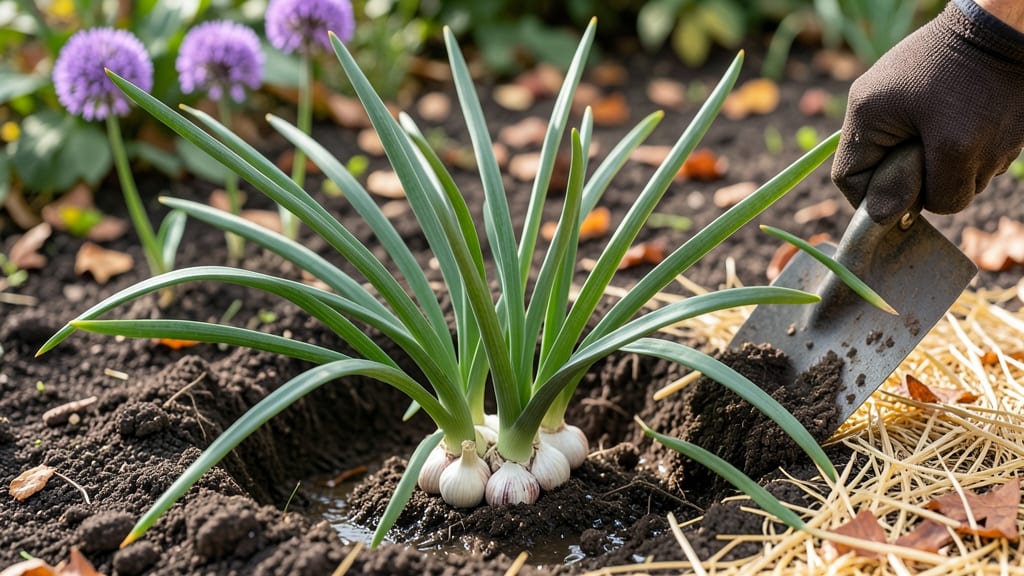
Timing your garlic planting in Connecticut is the difference between a bumper crop of bold, flavorful bulbs and a disappointing harvest—or worse, no harvest at all. With Connecticut’s 5b-6b climate, those crisp fall days between mid-October and early November are your sweet spot for planting 🧄.
Miss it, and you risk weak growth or bulbs that never fully mature.
Why does this window matter so much? Garlic thrives on cold weather, needing 4-6 weeks to establish roots before the ground freezes solid. Plant too late, and your cloves won’t have time to develop strong roots before winter sets in.
But don’t stress—this guide breaks down exactly how to sync your planting with Connecticut’s frost dates and soil conditions for maximum success.
You’ll also discover which cold-hardy varieties perform best in your region, from hardneck to softneck options, and how to prep your soil for optimal growth.
Whether you’re a seasoned gardener or a first-timer, these insights will help you avoid common mistakes and set your garlic up for a plump, flavorful harvest next summer.
Ready to grow garlic that rivals the best from the farmers’ market? Let’s dive into the perfect planting schedule, soil prep tips, and care tricks that’ll make your Connecticut garden the talk of the neighborhood.
Best planting windows for Connecticut garlic: frost timing & variety-specific deadlines
Timing your garlic planting in Connecticut depends on two critical factors: frost dates and garlic variety. Since Connecticut spans USDA zones 5b-6b, your ideal window is mid-October to early November—just 4-6 weeks before the ground freezes.
This gives bulbs time to root before winter dormancy. For example, in Hartford, the average last frost date is November 15, so aim to plant by October 20.
Hard-neck varieties, like 'German White' or 'Music', are the best choice for Connecticut’s climate. These cold-hardy types thrive in our winters and produce flavorful cloves with scapes. Soft-neck varieties, such as 'Silverskin', can also work but may struggle with freeze-thaw cycles common in western Connecticut.
Always check your local frost dates—they can vary by 1-2 weeks across the state.
Here’s how to calculate your exact planting window: Subtract 6 weeks from your average first frost date. For New Haven (zone 6b), with a first frost of April 15, plant by March 1—but this is risky for hard-neck garlic. Stick to fall planting for reliable yields.
If you miss the fall window, you can plant garlic in late winter (February), but yields will be smaller and less flavorful. Spring-planted garlic lacks the cold stratification needed for bulb development.
For best results, prioritize fall planting and adjust based on your microclimate—coastal areas like Groton may have later frosts than inland Enfield.
| Frost Timing | Planting Window | Best Varieties | Notes |
|---|---|---|---|
| Last Frost: Nov 15 | Mid-October to Nov 1 | German White, Music | Ideal for hard-neck garlic |
| First Frost: April 15 | Feb 1 (spring backup) | Silverskin (soft-neck) | Lower yield; avoid if possible |
| Coastal Areas (e.g., Groton) | Oct 20–Nov 10 | Any hard-neck | Later frosts extend window |
| Inland Areas (e.g., Enfield) | Oct 1–Oct 15 | German White, Chesnok Red | Earlier frost = tighter window |
For hard-neck garlic, which is ideal for Connecticut, plant 4-6 weeks before ground freeze. Use a soil thermometer to check—soil should be 40–50°F at planting. If your soil is too warm (>60°F), garlic may sprout too early and get frost damage.
In western Connecticut, where winters are colder, you can plant slightly later (late October) than in southeastern coastal areas.
Pro tip: If you’re unsure about frost dates, use straw mulch (4–6 inches) after planting. This adds insulation and protects cloves during freeze-thaw cycles. Remove mulch in early spring to prevent rot.
Also, avoid planting garlic where onions or leeks grew last year—this prevents soil-borne diseases like white rot.
Spring-planted garlic (February) is a last-resort option. If you choose this route, use soft-neck varieties like 'Artichoke' and expect smaller bulbs. Harvest these in late July—they won’t store as long as fall-planted garlic. For best flavor and storage life, always plant in fall.
Connecticut’s microclimates mean your neighbors might have different frost dates than you. Check local weather stations or use the USDA Plant Hardiness Zone Map to refine your timing. For example, northern Connecticut (zone 5b) should plant 2 weeks earlier than southern Connecticut (zone 6b).
Once planted, garlic requires minimal care until spring. Focus on well-draining soil (amend with compost if needed) and full sun. In late winter, watch for green shoots—this signals successful rooting.
If shoots emerge too early (before last frost), cover plants with row fabric to protect tender growth.
Best planting windows for Connecticut garlic: frost timing & variety-specific deadlines
Timing your garlic planting in Connecticut hinges on understanding frost dates and hardiness zones. The state’s USDA zones 5b-6b mean garlic thrives when planted 4-6 weeks before the ground freezes, typically between mid-October and early November. This window ensures bulbs establish roots before winter dormancy.
For hard-neck garlic, the most popular choice in Connecticut, aim for planting by November 15—the average last frost date. Soft-neck varieties, like Silverskin, can tolerate slightly later planting but risk smaller yields if frozen. Adjust for your microclimate: inland areas freeze earlier than coastal regions.
🌱 Did you know? Connecticut’s first hard frost usually arrives around April 15, but garlic planted in fall won’t emerge until spring. The key is giving roots time to harden before winter’s chill.
| Planting Window | Hardiness Zone | Variety Type | Key Consideration |
|---|---|---|---|
| Mid-October to early November | 5b-6b | Hard-neck | Best for scapes and large bulbs |
| Late October to November 15 | 6a-6b | Soft-neck | Smaller bulbs but longer storage life |
| September (emergency only) | 5b-6b | Hard-neck | Risk of frost damage; smaller yields |
If you miss the fall window, spring planting is possible but yields are 50% smaller. Plant in March or early April for a summer harvest, but bulbs won’t mature fully before Connecticut’s hot summers.
For best results, stick to fall planting and use local frost date data from resources like the Connecticut Agricultural Experiment Station.
Pro tip: Test your soil’s drainage and pH (aim for 6.0-7.0compost if your soil is heavy clay, a common issue in Connecticut’s river valleys. Well-draining soil prevents rot during winter’s freeze-thaw cycles.
🌡️ Remember: Garlic needs 165 frost-free days to mature. Connecticut’s short growing season favors hard-neck varieties, which produce scape shoots in summer—a bonus for gardeners! Plan to harvest in late June to early July when lower leaves turn brown.