
Plants
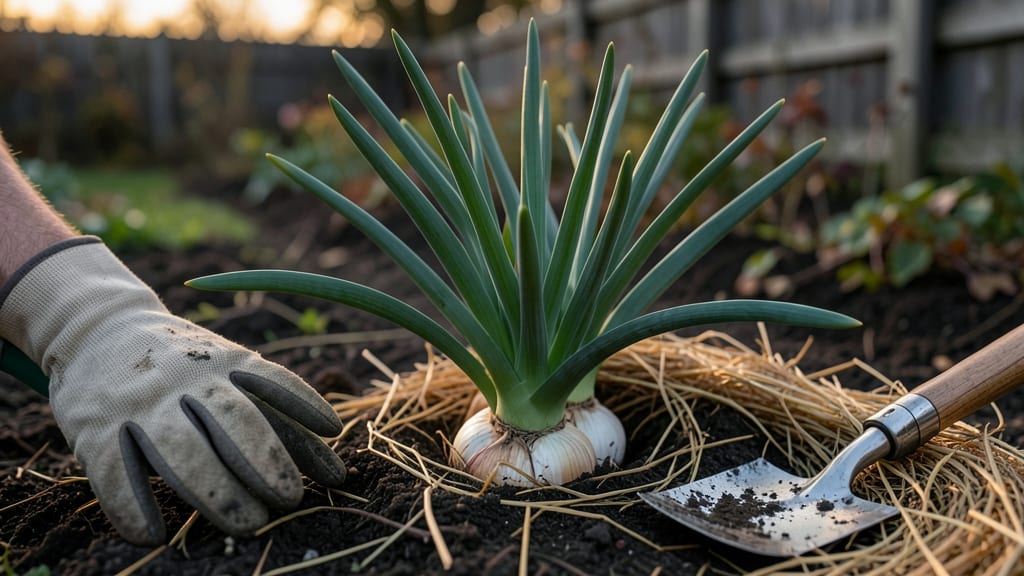
When to plant garlic in Zone 10 isn’t just about picking a month—it’s about unlocking the secret to plump, flavorful bulbs that thrive in your frost-free climate. Unlike cooler zones, Zone 10’s mild winters (like Southern California’s) demand precision timing to avoid heat stress or fungal issues. Plant too early, and your 🧄 might bolt; too late, and you’ll miss the sweet spot for robust growth.
Most gardeners swear by fall planting—think October or November—but winter options (January–February) work too, especially in coastal areas where cooler ocean breezes extend the ideal window.
The key? Soil temps between 50–60°F and well-draining beds to prevent rot. Skip the guesswork with these proven strategies tailored to Zone 10’s unique microclimates.
You’ll discover how to adjust for inland heat spikes versus coastal moderation, plus the top 3 garlic varieties that dominate in Zone 10. Whether you’re a first-timer or a seasoned grower, these insights will transform your harvest from “meh” to exceptional.
Let’s get your garlic off to the best possible start.
Ready to dive in? We’ll cover everything from soil prep to post-planting care—so you can confidently plant, grow, and harvest garlic that rivals the best farm stands. No frost, no stress, just great garlic.
Optimal planting months for garlic in Zone 10’s mild climate
Zone 10’s frost-free winters create unique challenges for garlic growers. Unlike cooler zones, you can’t rely on cold periods to trigger bulb formation. Instead, timing focuses on soil temperatures and rainfall patterns to ensure healthy growth without overheating.
The best planting windows are fall (October–November) and early winter (January–February). These months balance cooler soil temps with adequate moisture, preventing bolting or rot. Coastal areas may shift slightly earlier due to milder microclimates.
Fall planting (October–November) gives bulbs time to establish roots before summer heat. Aim for soil temperatures below 70°F—ideal for root development without stress. This window works best in inland Zone 10 regions like Palm Springs or Phoenix.
Early winter planting (January–February) is ideal for coastal areas like San Diego or Santa Barbara, where winters stay mild. Planting then avoids summer heat while still allowing a full 90–120-day growth cycle before harvest.
🌱 Zone 10 Garlic Planting Guide
| Month | Best For | Soil Temp | Notes |
|---|---|---|---|
| October | Inland Zone 10 | 60–70°F | Best for fall harvest; avoid late Oct if soil is too warm. |
| November | Coastal & Inland | 55–65°F | Ideal balance of cool temps and moisture. |
| January | Coastal Zone 10 | 50–60°F | Avoid if soil is waterlogged; wait for dry spells. |
| February | All Microclimates | 55–65°F | Last chance for winter planting; harvest by June. |
September and December are secondary windows but require extra care. Planting in September risks summer heat stress, while December planting may lead to slower growth. Use shade cloth or mulch heavily if attempting these months.
For coastal Zone 10, prioritize January–February planting. The ocean’s moderating effect keeps soil cooler longer, reducing bolting risks. Inland areas should stick to October–November to escape summer’s intense heat.
Always test soil moisture before planting. Zone 10’s dry spells can cause cloves to dry out. Aim for well-draining, slightly acidic soil (pH 6.0–7.0) and amend with compost if needed. Mulch with straw or wood chips to retain moisture.
Harvest timing depends on planting month. Fall-planted garlic typically matures by May–June, while winter-planted bulbs may be ready by June–July. Watch for lower leaves browning and upper leaves yellowing—key signs of readiness.
Pro tip: Plant hardneck varieties in fall for scapes (edible flower stalks) and softneck varieties in winter for storage bulbs. Both thrive in Zone 10 with proper timing and care.
How to adjust planting for Zone 10’s zero-frost challenges
Zone 10’s frost-free winters mean garlic grows differently than in colder zones. Without freezing temperatures to trigger bulb formation, you’ll need to mimic those conditions. The key is cool soil temperatures (50–60°F) and moderate moisture—not too hot, not too dry.
If your soil stays above 70°F, bulbs may bolt or rot before maturing.
Start by testing your soil’s temperature and moisture. Use a soil thermometer to check depth (2–3 inches down). If it’s above 65°F for more than a week, delay planting or use shade cloth to cool the soil. Mulching with straw or compost also helps regulate temperature and retain moisture.
Another challenge? Fungal diseases thrive in Zone 10’s humidity. Avoid overhead watering—always water at the base of plants in the morning. Space cloves 6–8 inches apart for airflow, and choose disease-resistant varieties like ‘California Early’ or ‘Artichoke.’
⚠️ Critical Warning
Overheating soil is the #1 killer of garlic in Zone 10. If planted in summer heat, cloves may sprout but fail to bulb. Use black plastic mulch or shade fabric to block excess heat during peak sun (11 AM–3 PM).
Signs of stress: Yellowing leaves, stunted growth, or mushy bulbs mean it’s too hot. Act fast—move plants to a cooler microclimate or provide afternoon shade.
For coastal Zone 10 (e.g., San Diego), timing shifts slightly due to cooler ocean breezes. Plant in late October–November or January–February to align with natural temperature dips. Inland areas (e.g., Palm Springs) should plant in November–December or January to escape summer heat.
Finally, harvest timing matters just as much as planting. In Zone 10, garlic may mature faster than in colder zones—watch for lower leaves turning brown (a sign bulbs are ready).
If left too long, they’ll split or sprout. Cure harvested bulbs in a dry, shady spot for 2–3 weeks to extend storage life.
With these adjustments, you’ll avoid the common pitfalls of Zone 10 garlic growing—bolting, rot, and poor bulb formation. The secret? Cool soil, airflow, and patience—your harvest will thank you! 🌱