
Plants
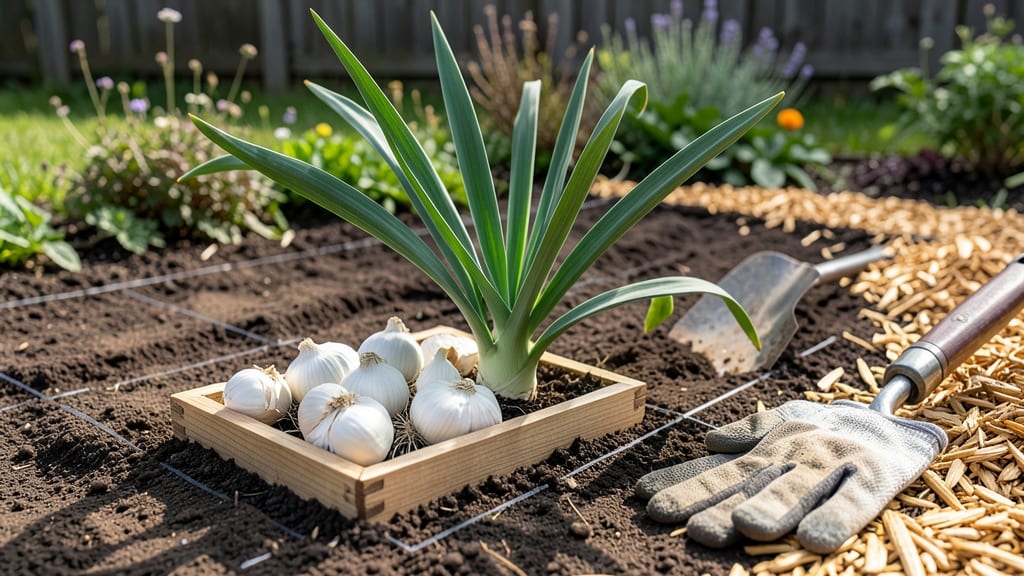
Knowing when to plant garlic in Zone 8b can mean the difference between a bumper crop of bold, flavorful cloves and a disappointing harvest. With Zone 8b's mild winters and specific frost patterns, timing isn't just important—it's everything.
Plant too early, and your garlic might bolt before forming proper bulbs. Plant too late, and winter rains or early warmth could throw off your entire season.
For gardeners in this zone, the best window is surprisingly narrow—typically between October and November, giving your garlic enough time to establish roots before winter sets in.
But don't worry, I'll break down exactly how to adjust for your specific microclimate, whether you're dealing with early frosts or unusually warm spells. This isn't just about throwing cloves in the ground and hoping for the best; it's about setting your garlic up for maximum yield and flavor.
You might be wondering whether hardneck or softneck varieties will perform better in your area. Spoiler: both can thrive in Zone 8b, but the right choice depends on your goals—whether you're growing for storage, braiding, or culinary use.
I'll walk you through the pros and cons of each, plus how to prepare your soil and space your plants for success. Trust me, getting these details right will make all the difference when harvest time rolls around in June or July.
Even experienced gardeners sometimes make mistakes with garlic planting—like planting too deep or skipping the mulch. I'll share the most common pitfalls and how to avoid them, so you can focus on enjoying your harvest instead of troubleshooting.
Let's get started on the path to growing the best garlic your Zone 8b garden has ever seen.
Best planting months for garlic in Zone 8b: a month-by-month guide
In Zone 8b, where winters are mild but still cool enough for garlic to thrive, timing your plantings correctly is the key to bold, flavorful bulbs.
Unlike colder zones, you have a slightly longer window to plant, but precision matters—too early and your garlic may bolt, too late and frost can damage emerging shoots. Let’s break down the best months and how to adjust for your specific microclimate.
The ideal planting window for garlic in Zone 8b spans from mid-October to early December, with November being the sweet spot. This timing ensures your cloves establish roots before winter dormancy but still get enough cold exposure to form strong bulbs.
For early varieties, you can start as early as late September, while late varieties can wait until mid-December if your soil hasn’t frozen.
Zone 8b’s first hard frost typically arrives around mid-January, giving you a buffer to plant up to 6 weeks before frost. This means if your frost date is January 15, aim to plant by late November.
However, if you’re in a warmer microclimate within Zone 8b—like near the coast or in urban heat islands—you might push planting to early December without risk.
Spring planting is possible but less ideal in Zone 8b. If you miss the fall window, you can plant in early February, but bulbs will be smaller and less flavorful because they won’t get the full cold exposure needed for bulb development. Think of spring planting as a backup plan, not your primary strategy.
Here’s a quick month-by-month breakdown to help you decide when to plant in Zone 8b:
For Zone 8b gardeners, choosing the right garlic variety also influences planting timing. Hardneck varieties, like ‘Music’ or ‘German White’, need more cold exposure and are best planted in October or early November. Softneck varieties, such as ‘Artichoke’ or ‘Silverskin’, are more adaptable and can handle slightly later plantings, even into December, but bulbs may be smaller.
Pro tip: Use local frost dates as your guide. Check your USDA Plant Hardiness Zone Map and adjust by 2-3 weeks if you’re in a warmer microclimate (e.g., near the coast).
For example, if your frost date is January 1, plant by mid-November. If it’s February 15, you might push to early December.
Don’t forget that soil temperature matters too. Garlic cloves need soil temps between 40°F and 50°F to sprout successfully. In Zone 8b, soil temps drop below this by late December, so avoid planting after that unless you’re using row covers or cold frames to protect young shoots.
Once you’ve planted, focus on mulching heavily (4-6 inches of straw or leaves) to insulate cloves during winter. This protects them from freeze-thaw cycles and ensures even growth.
With the right timing and care, you’ll harvest plump, flavorful garlic bulbs by late June or July—just in time for summer cooking!
Best planting months for garlic in Zone 8b: a month-by-month guide
In Zone 8b, where winters are mild but still chilly, timing your garlic planting between October and December ensures strong bulb development before summer heat.
The key is planting 4-6 weeks before your first hard frost—typically around mid-December in Zone 8b. This window allows roots to establish before dormancy sets in.
For most Zone 8b gardeners, October through November is ideal. Early varieties like 'Silverskin' or 'Artichoke' can handle planting as late as early December, while hardneck types like 'Rockville' prefer the earlier October window. Spring planting is possible but yields smaller bulbs.
Let’s break down the best months and what to watch for:
| Month | Best Varieties | Key Considerations |
|---|---|---|
| September | Early hardnecks | Risky—roots may grow too fast before frost. Best for early-maturing types. |
| October | Hardnecks (Rockville, German Red) | Ideal window—roots establish before winter chill. Aim for early October. |
| November | Softnecks (Silverskin, Artichoke) | Safe for late varieties. Mulch heavily to protect from light frosts. |
| December | Early softnecks only | Limited time—plant quickly and mulch 4+ inches deep. |
| February | Not recommended | Spring planting yields smaller bulbs. Only try if fall planting was missed. |
Zone 8b’s mild winters mean you can push planting later than colder zones, but don’t wait too long. If your area experiences light frosts (28–32°F), garlic can tolerate them, but hard frosts below 20°F can damage emerging shoots. Use straw mulch 4–6 inches deep to insulate cloves and prevent heaving.
Pro tip: Check your local first frost date (usually mid-December in Zone 8b) and plant 6 weeks prior. For example, if frost hits December 15, aim for a November 1 planting. This ensures roots grow but tops stay dormant until spring warmth triggers bulb formation.
Spring planting in Zone 8b is possible but yields smaller, less flavorful bulbs. If you miss fall planting, try early February, but expect 50% smaller harvests compared to fall-planted garlic. Prioritize fall for the best results!