
Plants
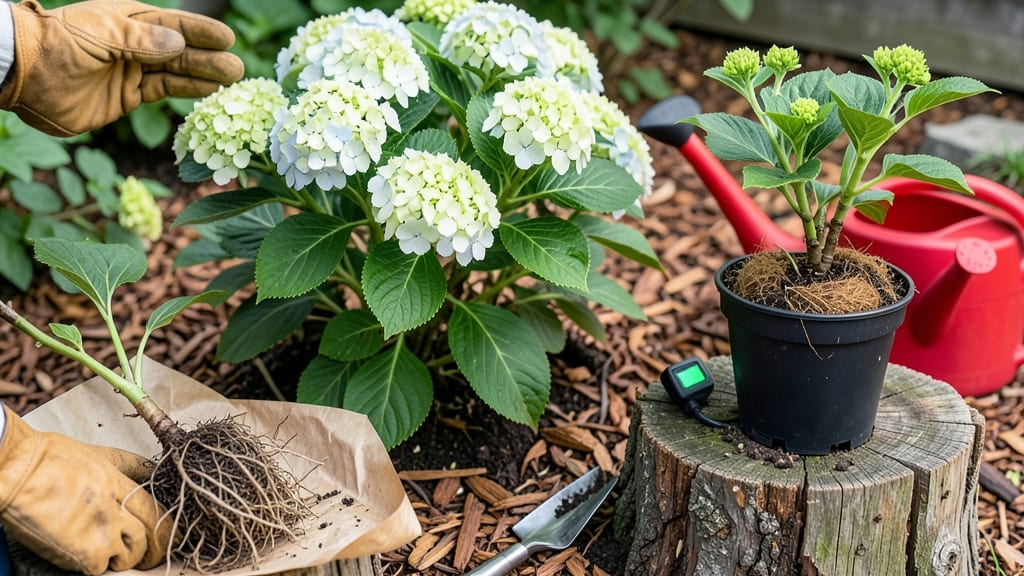
Timing is everything when you're planting hydrangeas in Zone 4, and getting it wrong can mean the difference between a showstopping 🌸 display and a sad, frost-nipped shrub. Late springs and unpredictable frost dates make this zone particularly tricky for gardeners eager to see those big, bold blooms.
Most gardeners assume spring is the only option, but fall planting can actually give your hydrangeas a head start. The key is understanding your local frost dates and soil temperatures - because planting too early or too late can both spell disaster for these moisture-loving shrubs.
I've helped countless Zone 4 gardeners navigate these challenges, and what I'm about to share will help you avoid common mistakes. From container planting tricks to soil preparation secrets, you'll discover exactly when and how to plant for maximum success in your climate.
Whether you're working with in-ground plantings or containers, these proven strategies will help your hydrangeas thrive despite Zone 4's notorious late frosts. Let's get your garden ready for those stunning summer blooms you've been dreaming about.
Optimal planting windows for hydrangeas in Zone 4 climate
Zone 4's unpredictable frost dates make timing critical for hydrangeas. Unlike warmer zones, your 120 frost-free days demand precise planting windows to ensure those showstopping blooms actually appear. The key? Planting when soil temperatures hit 55°F (13°C)—your hydrangea's magic number for root establishment.
Most Zone 4 gardeners aim for late April to early May, but this varies by microclimate. Urban areas with heat islands may be ready 2 weeks earlier, while rural spots could need to wait until mid-May.
Always check your local frost date averages—some Zone 4 regions see last frosts as late as May 15.
Here's the golden rule: Wait until after your last frost date AND when soil is thoroughly warmed. Cold soil slows root growth, leaving young hydrangeas vulnerable. A simple soil thermometer ($10 at garden centers) takes the guesswork out of timing.
Fall planting is riskier in Zone 4 but possible if you choose container-grown plants and protect them with extra mulch. The window closes by mid-September—any later, and roots won't establish before winter. For in-ground planting, September 1-15 is your safest bet.
Pro tip: Container hydrangeas give you flexibility. You can plant them 2-3 weeks earlier in spring or move them indoors if frost threatens. Their root-bound state means they establish faster than bare-root plants.
For maximum bloom potential, time your planting to align with your hydrangea's growth cycle. Bigleaf varieties like 'Endless Summer' need 6-8 weeks of warm soil to push new growth—plant them by May 1 for summer color. Smaller varieties like 'Annabelle' can handle slightly later planting.
Don't overlook soil preparation—amend your planting site 4-6 weeks before with compost and organic matter. Zone 4 soils often compact easily, and hydrangeas hate soggy roots. Aim for well-draining, slightly acidic soil (pH 5.5-6.2) for optimal performance.
If you're in a late-spring area (like northern Michigan or upstate New York), consider starting hydrangeas in containers indoors in early March. Move them outdoors gradually after your last frost, hardening them off over 10-14 days to prevent transplant shock.
Remember: Hydrangeas planted too early suffer from root rot in cold soil, while late planting delays blooms until next year. The sweet spot is when daytime temps consistently stay above 60°F (15°C)—usually late April to early May for most Zone 4 regions.
| Planting Window | Soil Temp Requirement | Zone 4 Microclimate Adjustments | Bloom Impact |
|---|---|---|---|
| Late April - Early May | 55°F (13°C) minimum | Urban areas: 2 weeks earlier Rural areas: 2 weeks later |
Full summer blooms |
| Mid-September (fall) | 50°F (10°C) minimum | Only for container plants Requires extra mulch |
Next year's blooms |
| Early March (container start) | Indoor: 65°F (18°C) | Late-spring areas only Hardening off required |
Extended bloom season |
For container planting, you gain flexibility but lose some root stability. Containers dry out faster in Zone 4's hot summers, so use self-watering pots and moisture-retentive mixes. The root ball should be slightly larger than the container—aim for 12-18 inches in diameter for mature plants.
One common mistake is planting hydrangeas too deep. The root crown should sit 1-2 inches above soil level. Burying it deeper suffocates the plant and causes stem rot. Use your finger to check—if the topmost roots are buried, adjust before backfilling.
After planting, water deeply to settle soil and remove air pockets. Mulch heavily (3-4 inches) with wood chips or straw to protect roots from temperature swings. In Zone 4, mulch acts as insulation, keeping roots 5-10°F warmer in spring and 5-10°F cooler in summer.
Optimal planting windows for hydrangeas in Zone 4 climate
Zone 4’s cool, short growing season demands precision when planting hydrangeas. Unlike warmer climates, you can’t rely on a broad spring window—late frosts often linger past May 15, threatening tender new growth. The key is timing your planting to align with soil temperatures above 50°F and confirmed frost-free periods.
Most hydrangeas thrive when planted in late spring (May to early June), after the last frost date. This gives roots time to establish before summer heat arrives.
However, fall planting (September) is also viable if you choose cold-hardy varieties like Annabelle or Oakleaf, which can tolerate early winter chills.
Here’s the critical timeline for Zone 4 gardeners:
| Timing | Soil Temp | Notes |
|---|---|---|
| Late April | 45-50°F | Risky; use frost cloth if planting early. |
| May 15-June 15 | 50-60°F | Optimal window; roots establish before summer. |
| September | 55-65°F | Best for cold-hardy varieties; water deeply before freeze. |
For container-grown hydrangeas, you can push planting to June 1 in Zone 4, as pots warm up faster than soil. Just ensure your container has drainage holes and use a lightweight potting mix to prevent root rot.
If you’re in a late-spring microclimate (like near large bodies of water), monitor local frost forecasts and delay planting until June 10.
Before planting, amend your soil with compost or peat moss to improve drainage—hydrangeas hate soggy roots. Aim for a slightly acidic pH (5.2-6.0) for blue flowers or neutral pH (6.0-7.0) for pink blooms. Test your soil in early spring to adjust as needed.
Pro tip: If you’re planting in fall (September), choose bare-root hydrangeas over container-grown ones. Their roots establish faster in cooler soil, giving them a head start before winter dormancy.
Once planted, mulch heavily (3-4 inches) with straw or shredded leaves to insulate roots from temperature swings. This is especially critical in Zone 4, where sudden frost returns can occur even in summer.