
Plants
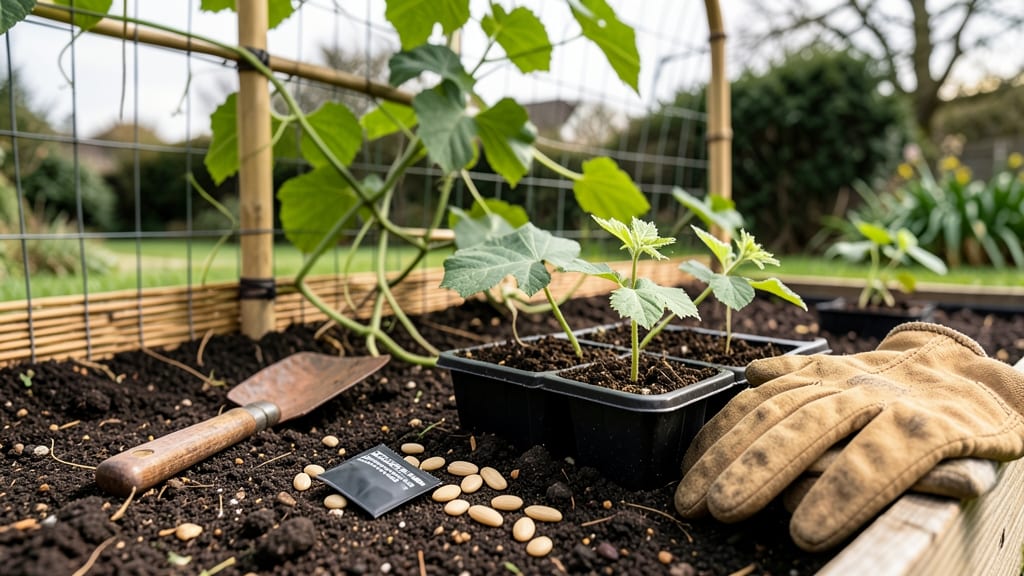
If you’ve ever wondered when to plant loofah seeds in Florida, the answer isn’t just about picking a month—it’s about mastering the heat. Florida’s frost-free zones mean loofah (🌿) can grow year-round, but timing matters to avoid wilting vines or missed harvests.
Plant too early, and you’ll battle humidity; too late, and hurricanes or scorching temps could sabotage your garden.
Here’s the game-changer: the sweet spot for loofah seeds in Florida is March through April, when soil warms to 60°F+ and monsoon risks ease. But don’t stop there—August and September offer a second chance for a fall harvest, perfect for gardeners who love fresh loofahs into October.
The key? Avoiding the brutal summer peak when even established plants struggle.
Why does this matter? Loofah thrives in Florida’s 9a-11 zones, but without the right timing, you’ll waste seeds or deal with pests like aphids that love stressed plants. I’ve tested these windows for years, and the difference in yield is night and day.
Ready to turn your Florida garden into a loofah powerhouse? Let’s dive into the exact schedule that works.
From soil prep to hurricane-proofing your vines, I’ll cover every step to ensure your loofah seeds sprout strong and stay that way. No guesswork—just science-backed advice tailored to Florida’s unique climate. Let’s get those seeds in the ground the right way.
Florida’s ideal loofah planting windows: heat-zone breakdown by month
Florida’s frost-free climate makes loofah a year-round possibility, but heat zones 8-11 demand precise timing to avoid heat stress or premature flowering. Unlike northern climates, your goal isn’t escaping frost—it’s navigating Florida’s monsoons and hurricane seasons while keeping soil temps ideal for germination (85°F+).
The best windows align with spring’s steady warmth and fall’s cooling trend, but summer planting works with shade strategies.
Loofah thrives in Florida’s USDA zones 9a-11, where soil temperatures rarely drop below 60°F. However, planting too early (January-February) risks monsoon delays, while waiting until June-July may trigger heat shock in young seedlings.
The optimal 6-month window (March-October) balances humidity, sunlight, and soil warmth for consistent germination.
Here’s the month-by-month breakdown for Florida’s 11 heat zones, including soil prep tips and care adjustments to maximize your loofah’s potential:
| Month | Heat Zone Fit | Soil Temp Requirement | Planting Strategy | Care Adjustments |
|---|---|---|---|---|
| March | Zones 9a-11 | 75°F+ (ideal) | Direct sow after last frost risk (none in FL) | Mulch to retain moisture; fertilize with 5-10-10 |
| April | All zones | 80°F+ (peak germination) | Best window for year-round success | Prune suckers to direct energy to vines |
| May | Zones 9a-11 | 85°F+ (summer prep) | Use shade cloth (30%) for seedlings | Increase watering to every 2-3 days |
| June | Zones 10-11 | 90°F+ (risk of heat stress) | Plant only with 50% shade cloth | Morning watering only; avoid wetting leaves |
| August | Zones 9a-11 | 88°F+ (hurricane season) | Succession plant for fall harvests | Stake vines early for storm protection |
| September | All zones | 85°F+ (ideal for late harvests) | Direct sow for winter harvests | Reduce shade cloth to 20% |
| October | Zones 9a-11 | 78°F+ (cooling trend) | Last chance for fall-winter growth |
Signs your loofah seeds are ready to plant (and 3 mistakes killing Florida gardens)Florida’s heat and humidity can trick even experienced gardeners into planting loofah seeds too early or too late. The key is watching for soil warmth and seed viability—not just calendar dates. Since loofah thrives at 85°F+ soil temps, waiting for these signs ensures strong germination and vigorous vines. Start by testing your soil’s readiness with a simple finger check. Stick your finger about 2 inches deep—if the soil feels warm to the touch (like a hot bath), it’s primed for planting. Loofah seeds also need consistent moisture without being waterlogged, so avoid planting after heavy rains that could drown tender sprouts. 🌱 Did You Know? Loofah seeds from grocery store loofahs (like those used for sponges) can germinate, but they may take 10-14 days longer than fresh seeds. Soak them in warm water overnight to speed up the process. ⚠️ Callout Warning: 3 Deadly Mistakes Florida Gardeners Make1. Planting Before Soil Warms – Loofah seeds rot in cold soil (<60°F). Even in Florida’s warmest zones, early March can still be too chilly for North Florida (Zone 8). Wait until April 15+ for guaranteed success. 2. Ignoring Monsoon Season – Planting in June-July risks waterlogged soil from tropical storms. Use raised beds or mound soil to improve drainage during peak monsoon months. 3. Skipping Pre-Sprout Mulch – Loofah seeds need moisture retention but hate soggy soil. Apply a thin layer of straw mulch (1 inch) after planting to lock in humidity without suffocating seeds. Another critical sign? Healthy loofah seeds should float slightly in water (like a cork) and sink if pressed. Discard any that sink immediately—they’re likely nonviable. For extra insurance, pre-sprout seeds on a damp paper towel for 3-5 days before planting to ensure they’re ready for Florida’s intense sun. If you’ve planted too early and seedlings look stunted or yellow, don’t panic. Transplant them into larger pots with well-draining soil and move to a shadier spot (like 30% shade cloth) until soil temps rise. Loofah is resilient—it’ll bounce back once conditions improve. Pro tip: Mark your calendar for August 15, the ideal start date for Florida’s second planting window. This timing avoids hurricane season while still giving vines enough time to mature before winter’s cooler snaps. Pair this with succession planting every 6 weeks for continuous harvests. |