
Plants
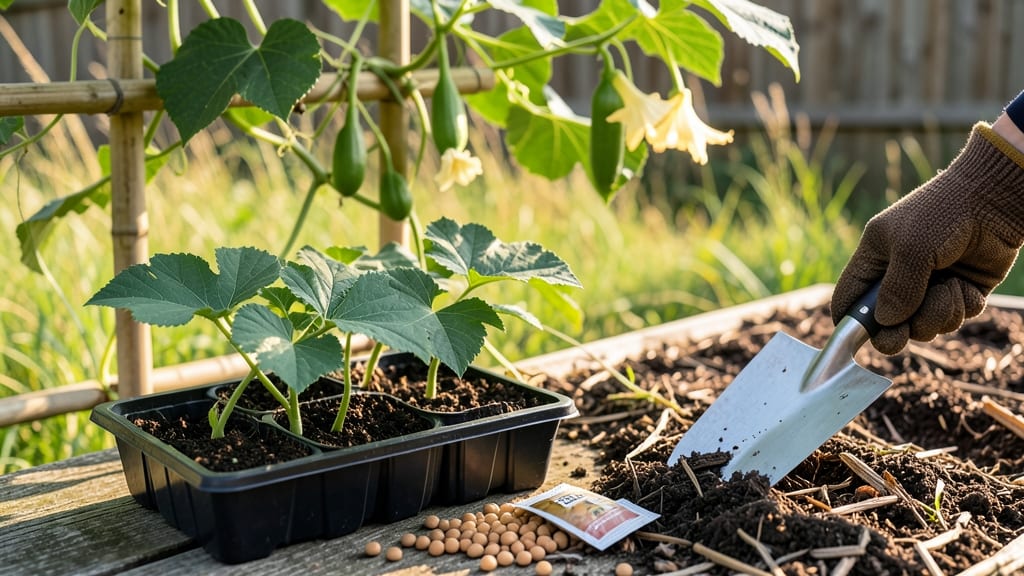
Texas heat-zone planting timeline for luffa seeds (by month)
Luffa seeds thrive in Texas’s warm climate, but planting too early risks frost damage while waiting too long cuts your harvest short. The perfect window depends on your USDA zone—North Texas gardeners should wait until mid-March, while South Texas can start as early as late January.
Always check soil temperatures: luffa seeds need 70°F+ to germinate reliably.
Texas spans three distinct heat zones, each with unique frost-free dates and growing seasons. North Texas (USDA 8a) has the shortest window, while South Texas (USDA 10b) enjoys nearly year-round potential.
Below, I’ve broken down the ideal planting months for each zone, including soil prep tips and harvest timelines to maximize your yield.
For North Texas gardeners, aim to plant luffa seeds by April 15 to ensure a full growing season. The 120–150 day maturity window means late plantings may not produce fruit before the first frost in November.
Use a soil thermometer to confirm temperatures—seeds won’t sprout below 70°F, even if the air is warm.
Central Texas offers the most flexibility, with February–April being ideal. Here, you can push the envelope slightly later—planting in late April might still yield small harvests if you use row covers to protect young vines from unpredictable spring heat waves.
South Texas gardeners have the luxury of starting as early as January, but avoid planting before January 15 to prevent root rot from lingering winter moisture.
Pro tip: Direct sow seeds ½ inch deep in well-draining soil with a trellis or fence ready for the vines to climb. Luffa grows 10–30 feet tall, so plan your spacing—give each plant 3–5 feet of vertical support and 3 feet of ground space to sprawl.
In containers, use large pots (15+ gallons) with drainage holes.
If you’re in South Texas and want a second harvest, try a late summer planting in August. While risky due to intense summer heat, shade cloths and drip irrigation can help young plants establish before the first frost.
Just be prepared for a shorter harvest window—focus on fast-maturing varieties like ‘Chinese Okra’ luffa.
Remember: Luffa is a tropical vine that bolts (goes to seed) quickly in heat. To delay bolting, keep soil consistently moist and provide afternoon shade during 100°F+ days.
Mulch with straw or wood chips to retain moisture and regulate soil temperature—this is especially critical in North Texas’s erratic spring weather.
🌱
Texas heat-zone planting timeline for luffa seeds (by month)
Luffa seeds thrive in Texas’s warm climate, but planting too early risks frost damage, while late planting may cut harvests short. The perfect window depends on your heat zone—North, Central, or South Texas—each with distinct frost-free dates and soil temperature needs.
Luffa requires soil temperatures above 70°F for germination, making early spring the sweet spot for most regions.
In North Texas (USDA Zones 8a-8b), where last frost typically hits March 15, aim to plant luffa seeds between late March and mid-May. Central Texas (Zones 8b-9a) enjoys an earlier start, with February 15 frost-free dates, so seeds can go in February through April.
Meanwhile, South Texas (Zones 9b-10b) gardeners can begin as early as January, with ideal planting through April.
🌱For fast germination, use a soil thermometer to confirm temperatures are consistently 70°F or higher before planting. Luffa seeds sprout best in warm, moist soil, so consider pre-heating seedbeds with black plastic mulch if early planting is necessary.
In North Texas, where summers are intense, starting seeds indoors 4-6 weeks before the last frost can give vines a head start before transplanting.
Harvest timing varies by zone but generally falls between July and October. South Texas gardeners often enjoy longer harvest windows due to milder winters, while North Texas growers should prioritize early planting to maximize fruit production before fall frosts. Luffa vines can produce multiple harvests per season, so succession planting every 2-3 weeks in spring extends your yield.
If you’re in a transition zone (e.g., Hill Country or East Texas), monitor local weather patterns closely. Unexpected late frosts or heat waves can disrupt growth, so always have row covers or shade cloth on hand for protection.
For container growers, move pots to sheltered areas during sudden temperature drops to safeguard tender seedlings.
Pro tip: Mark your calendar for June 1—this is the absolute deadline for planting luffa seeds in North Texas to ensure a full harvest before the first frost. In Central and South Texas, you can push planting slightly later, but July is the cutoff for reliable fruit development. 🌿